🌸 Sacred Mandalas
Explore 69 sacred geometric mandalas from various spiritual traditions. Each mandala serves as a powerful meditation tool, gateway to higher consciousness, and visual representation of cosmic principles.
"The mandala is an archetypal image whose occurrence is attested throughout the ages. It signifies the wholeness of the Self." — Carl Jung
📥 Download Options
🎨 Colored Version: High-quality vibrant mandala ready for meditation and display
🖍️ Coloring Page: Black & white outline version perfect for printing and personal coloring
Click any mandala to view details and download your preferred version
⬡ Sacred Geometry
Universal geometric patterns found in nature and consciousness
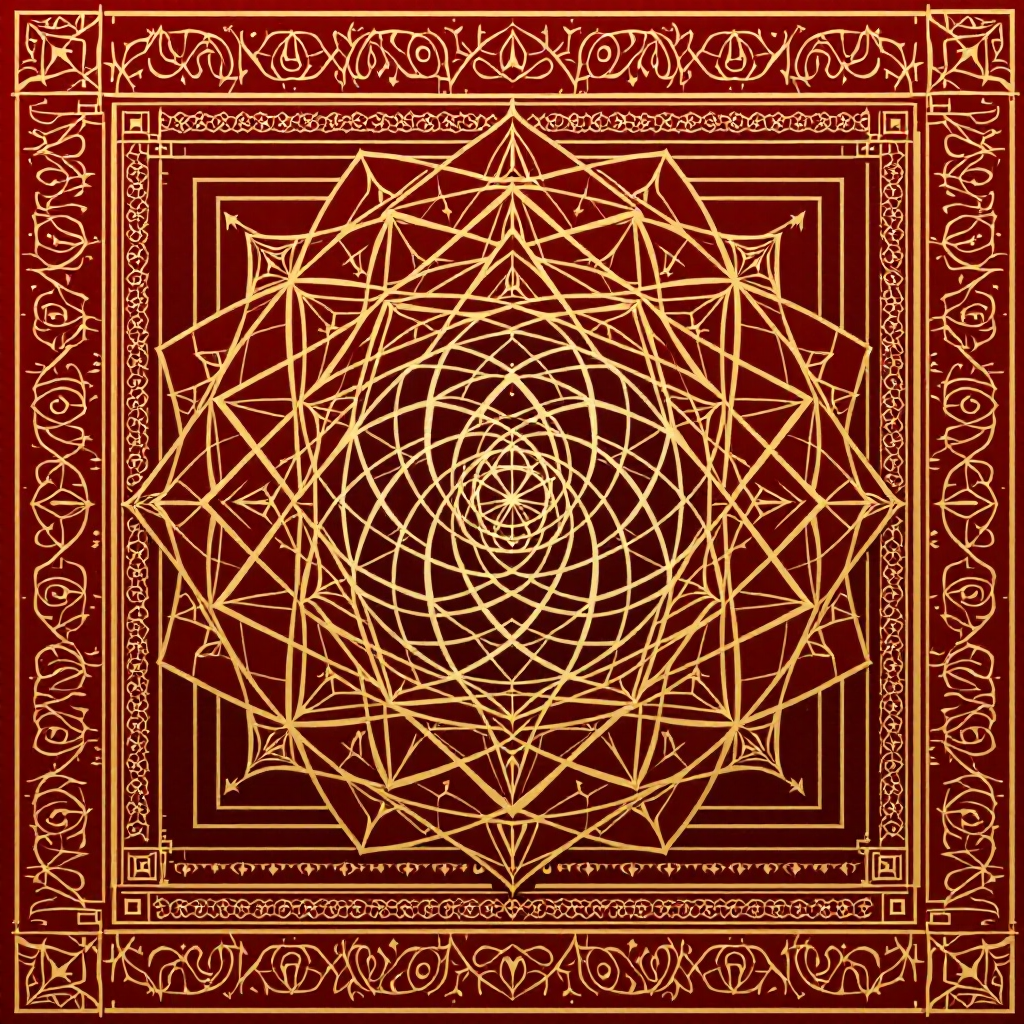
Sri Yantra Mandala
The most powerful and sacred of all yantras, representing the union of Shiva and Shakti. Contains 9 interlocking triangles forming 43 smaller triangles around a central point (bindu).
Symbolism
4 upward triangles represent Shiva (masculine), 5 downward triangles represent Shakti (feminine). The interplay creates the cosmic dance of creation.
Sacred Colors
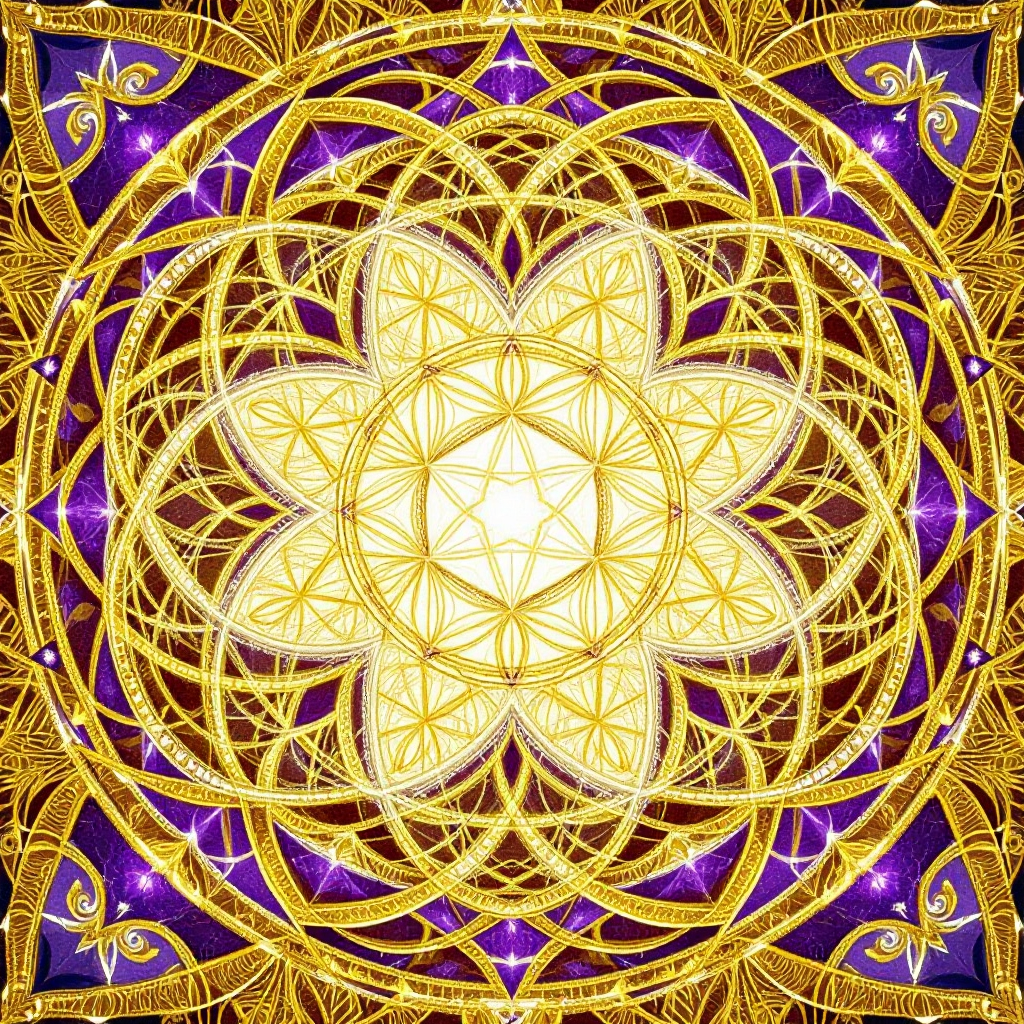
Flower of Life
Ancient symbol consisting of multiple evenly-spaced, overlapping circles forming a flower-like pattern. Found in temples worldwide from Egypt to India.
Symbolism
Contains the patterns of creation itself. All Platonic solids can be found within it. Represents the interconnection of all life.
Sacred Colors
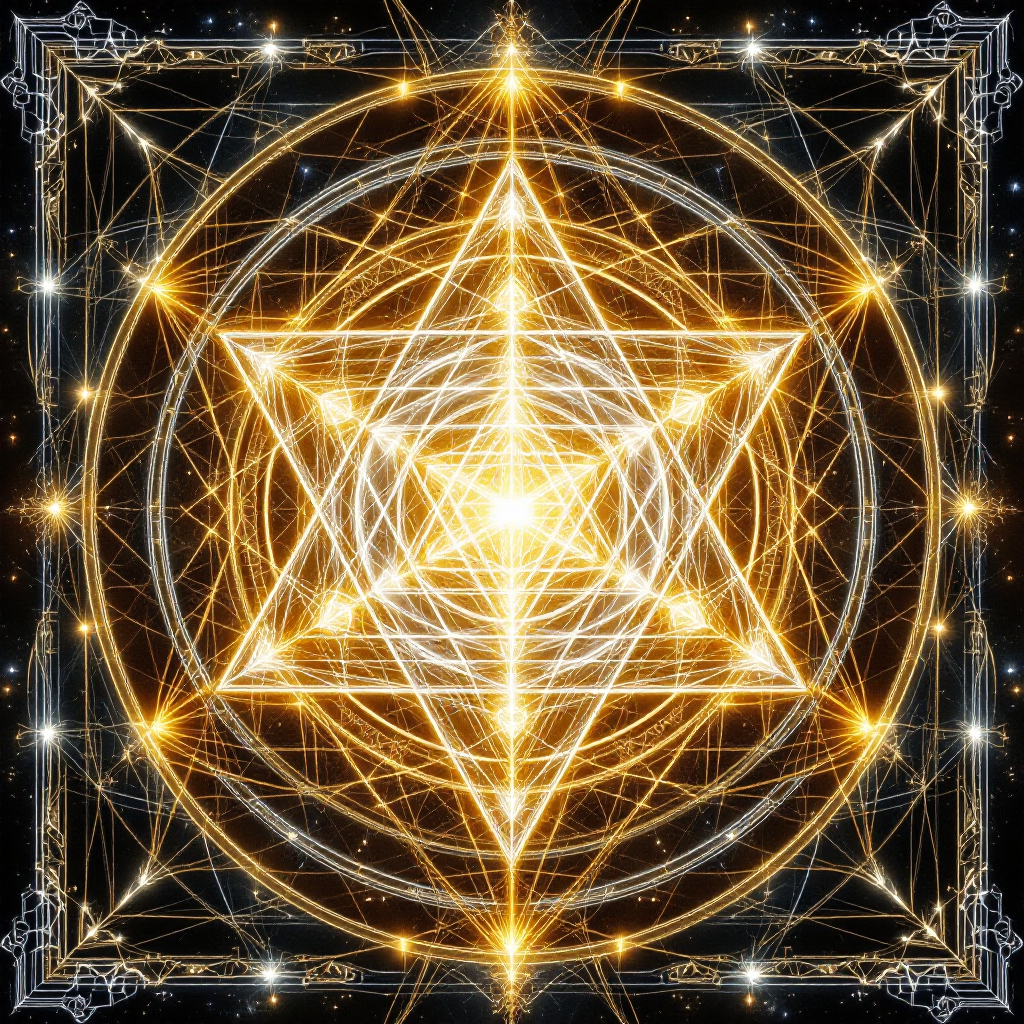
Metatron's Cube
Contains all five Platonic solids hidden within its structure. Created from the Fruit of Life pattern, it represents the geometric patterns underlying creation.
Symbolism
13 circles connected by straight lines. Contains the building blocks of the universe. Named after the archangel who guards the entrance to the highest realms.
Sacred Colors
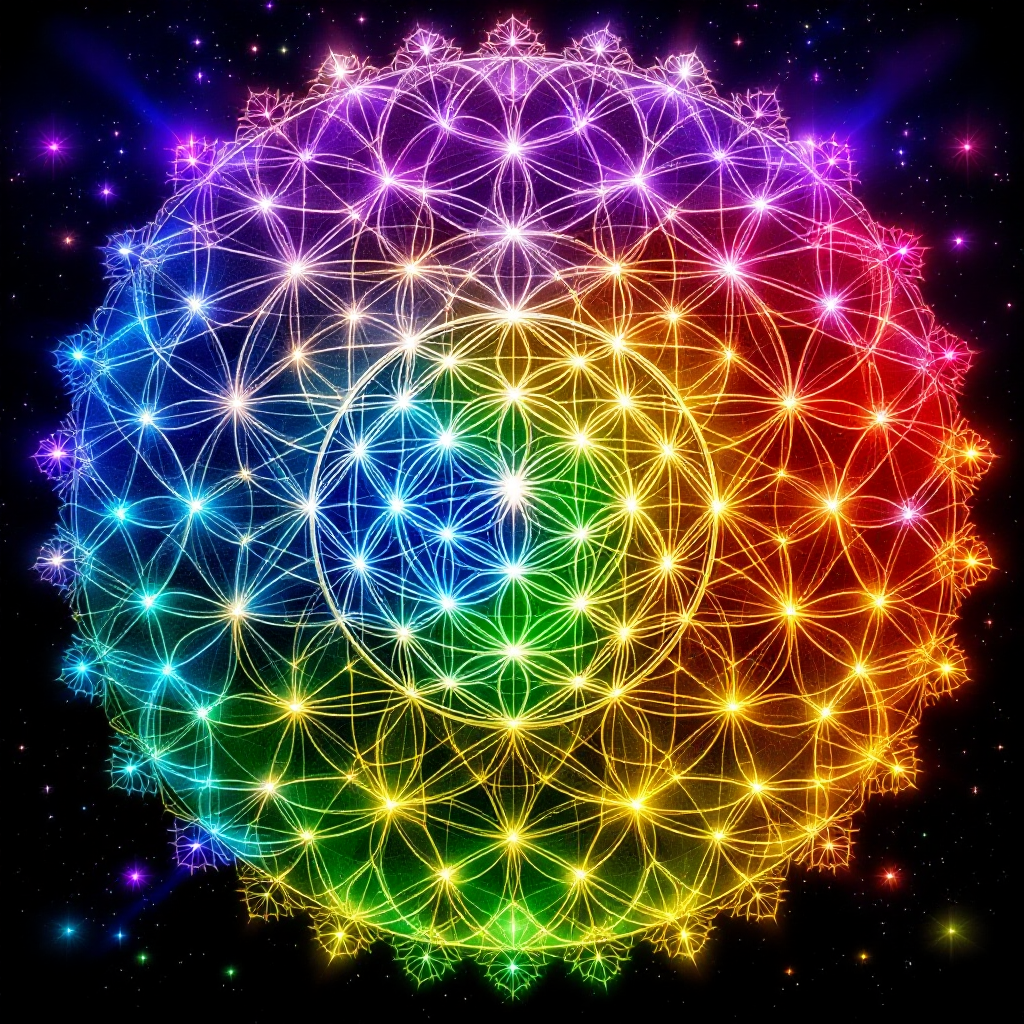
Seed of Life
Seven overlapping circles forming a perfect symmetrical pattern. The foundation for the Flower of Life and represents the seven days of creation.
Symbolism
Seven circles represent the seven chakras, seven days, seven musical notes. Central circle is consciousness, six outer circles are creation manifesting.
Sacred Colors
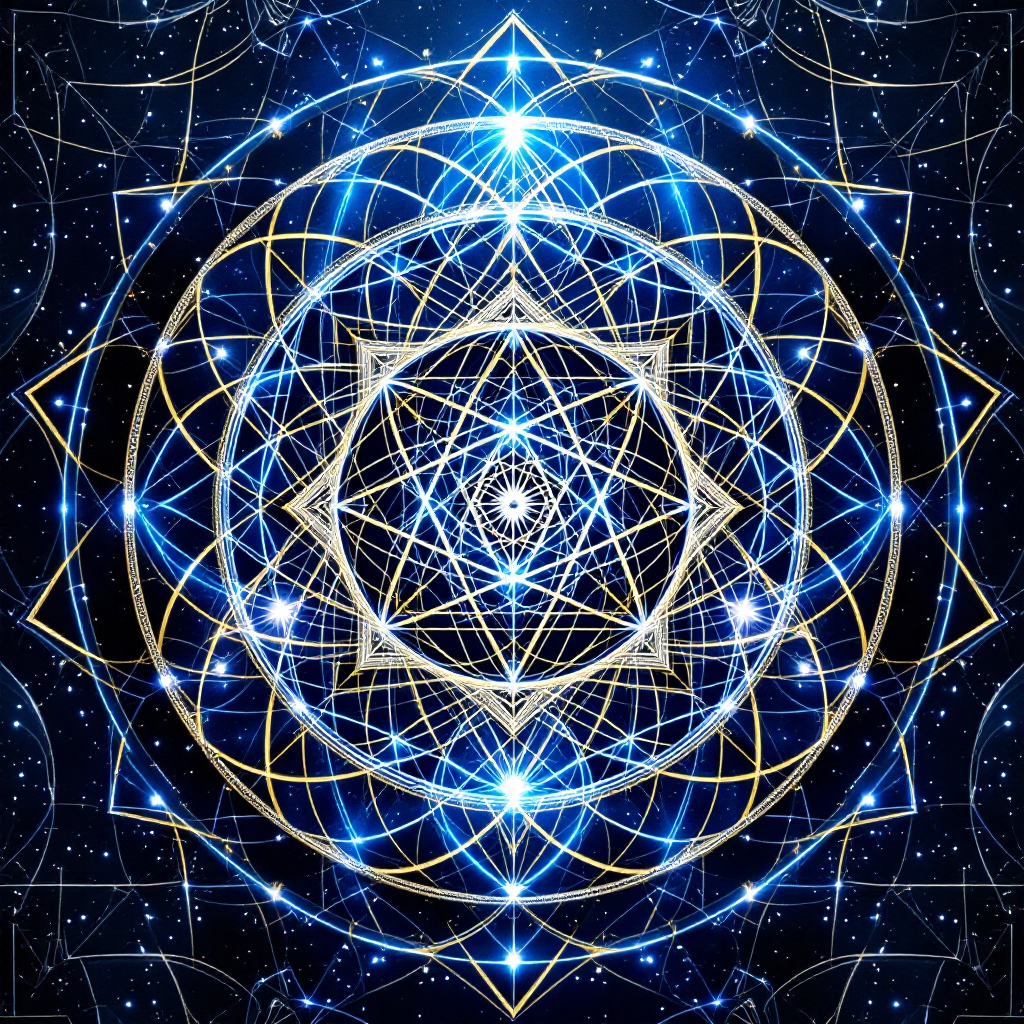
Vesica Piscis
The almond-shaped intersection of two circles with the same radius, intersecting so that each circle's center lies on the other's circumference. Foundation of sacred architecture.
Symbolism
Represents the womb of creation, divine feminine principle, gateway between worlds. The mathematical ratio √3 governs all growth in nature.
Sacred Colors
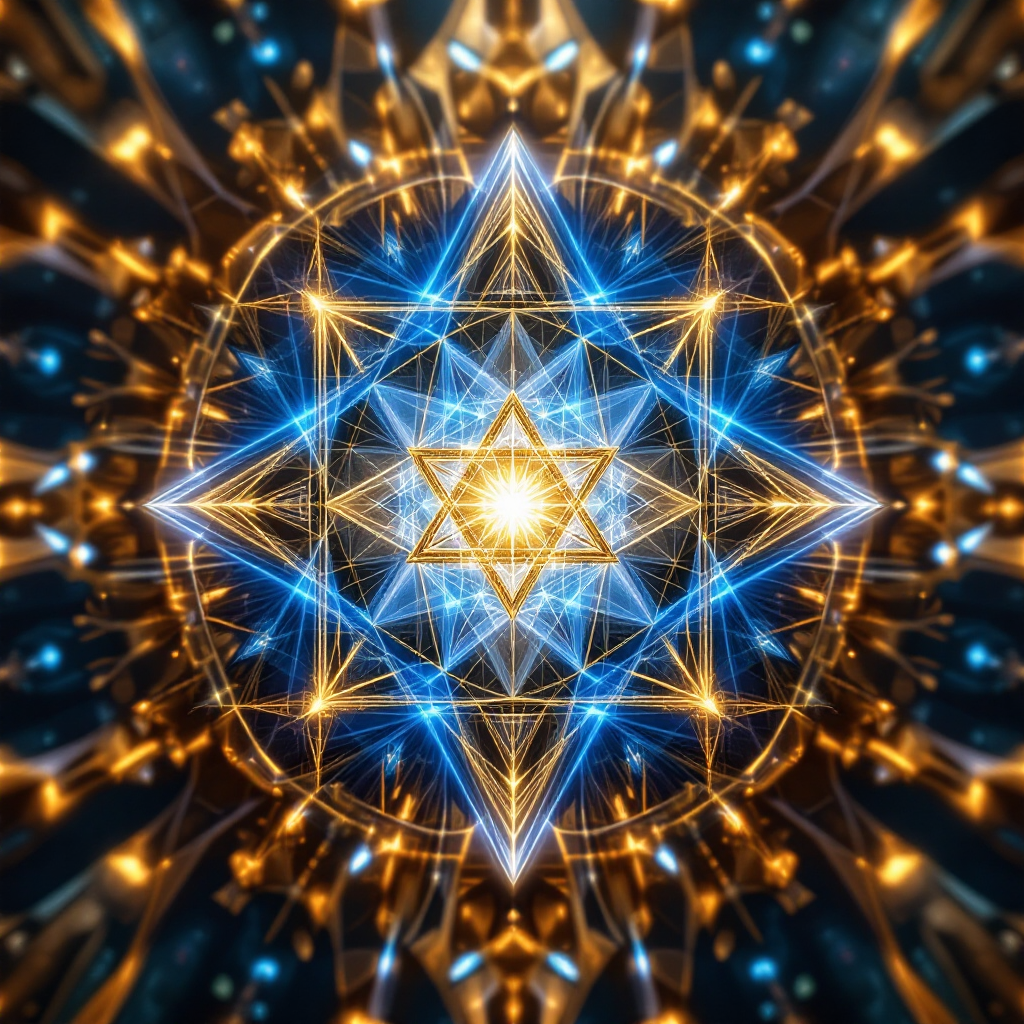
Merkaba (Star Tetrahedron)
Three-dimensional star formed by two intersecting tetrahedrons, creating an 8-pointed star. Ancient light vehicle for ascension mentioned in Ezekiel's vision.
Symbolism
Mer (light), Ka (spirit), Ba (body) - the light-spirit-body vehicle. Represents the integration of masculine and feminine energies, as above so below.
Sacred Colors
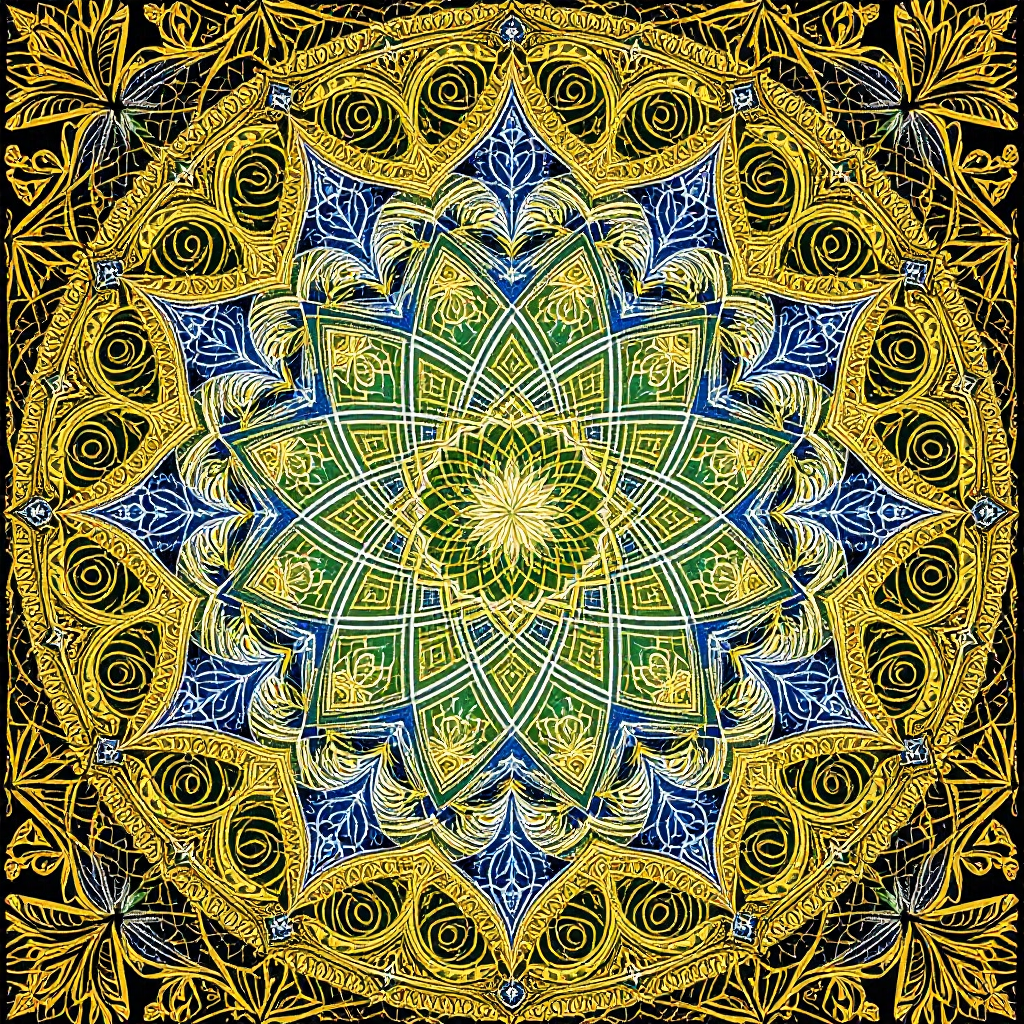
Sacred Spiral Mandala
Mandala based on the spiral - nature's most common pattern. Fibonacci spiral or Archimedean spiral, representing growth, evolution, and the journey inward/outward.
Symbolism
Spiral inward represents the journey to self. Spiral outward represents expansion of consciousness. Found in galaxies, shells, DNA, and plants.
Sacred Colors
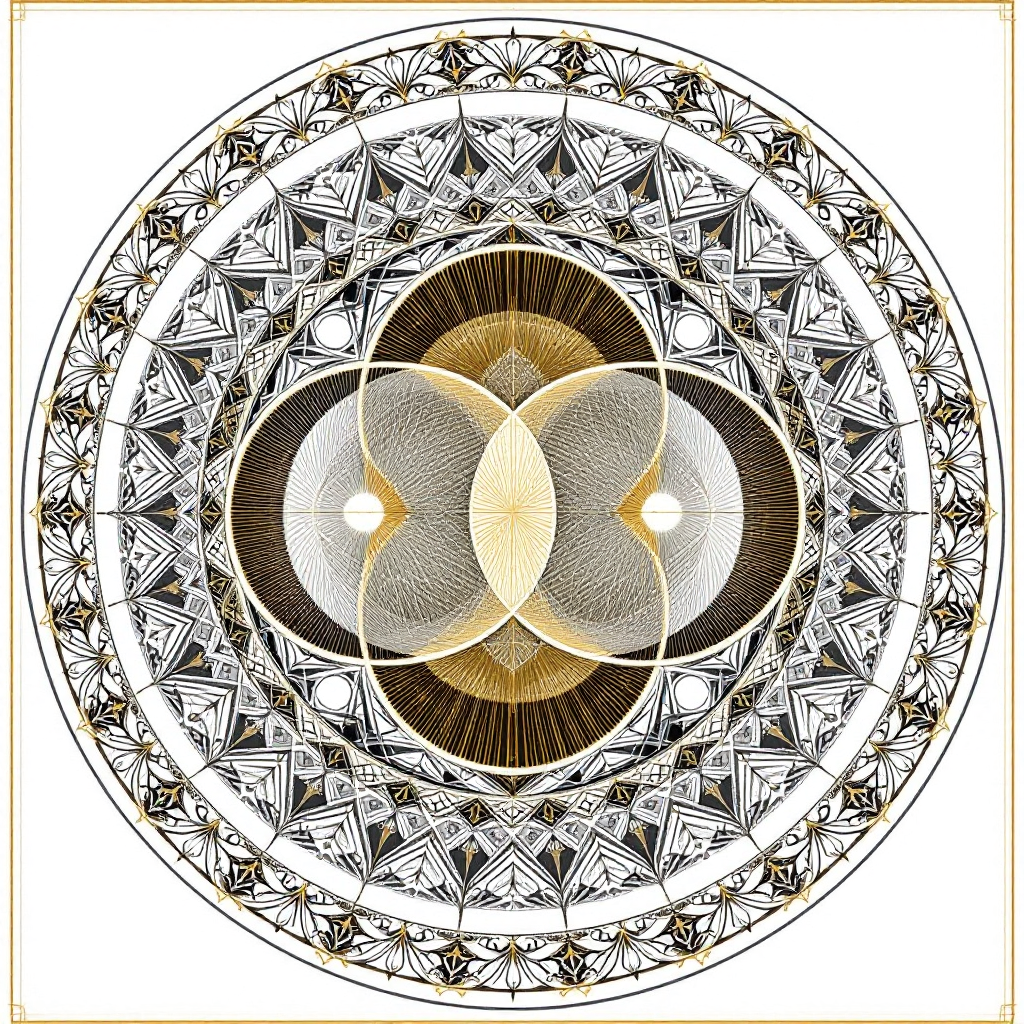
Vesica Piscis Mandala
Two overlapping circles forming the vesica piscis, symbolizing the intersection of divine and material worlds. Foundation of sacred geometry.
Symbolism
The overlap represents creation, birth, and the feminine principle. Found in architecture, art, and spiritual traditions worldwide.
Sacred Colors
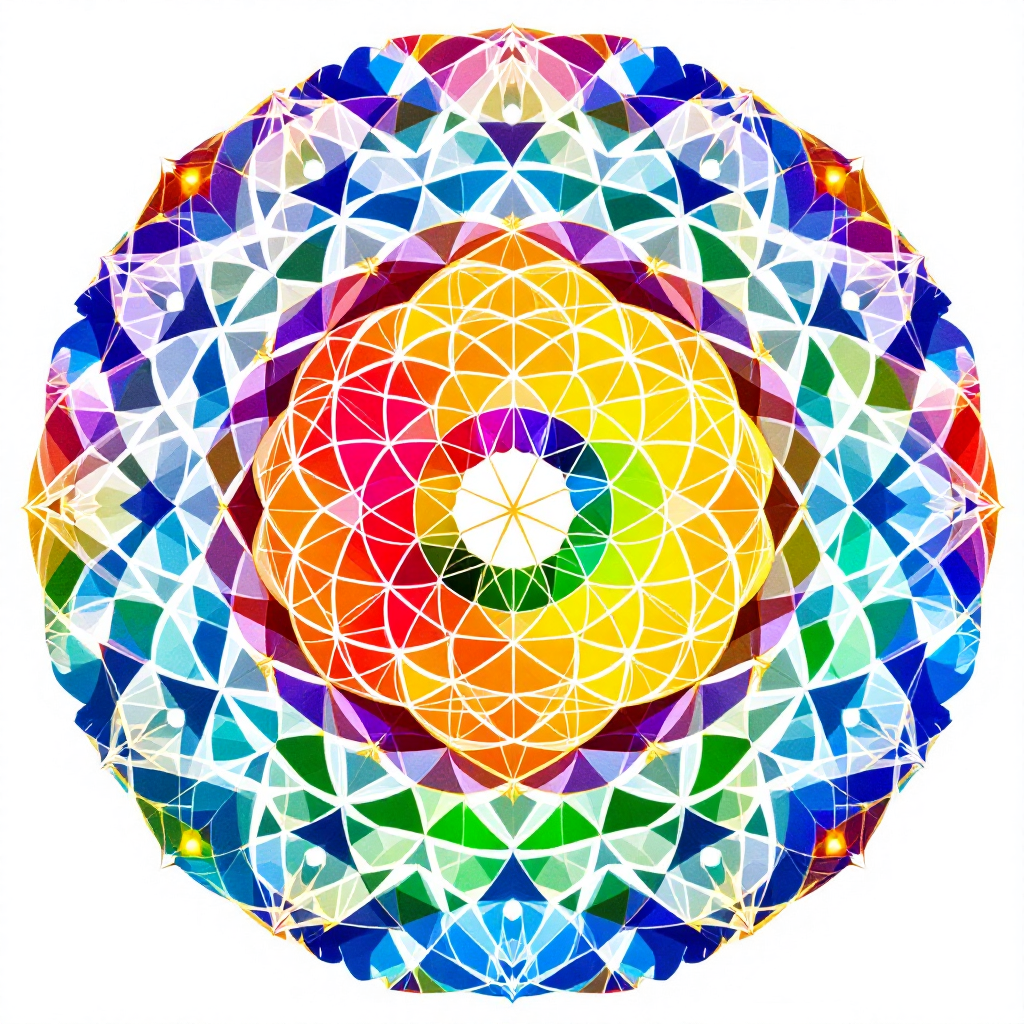
Seed of Life Mandala
Seven overlapping circles arranged in a hexagonal pattern, forming the foundation for the Flower of Life. Represents the seven days of creation.
Symbolism
Seven circles represent seven chakras, seven days, seven notes. Blueprint of universe and consciousness.
Sacred Colors
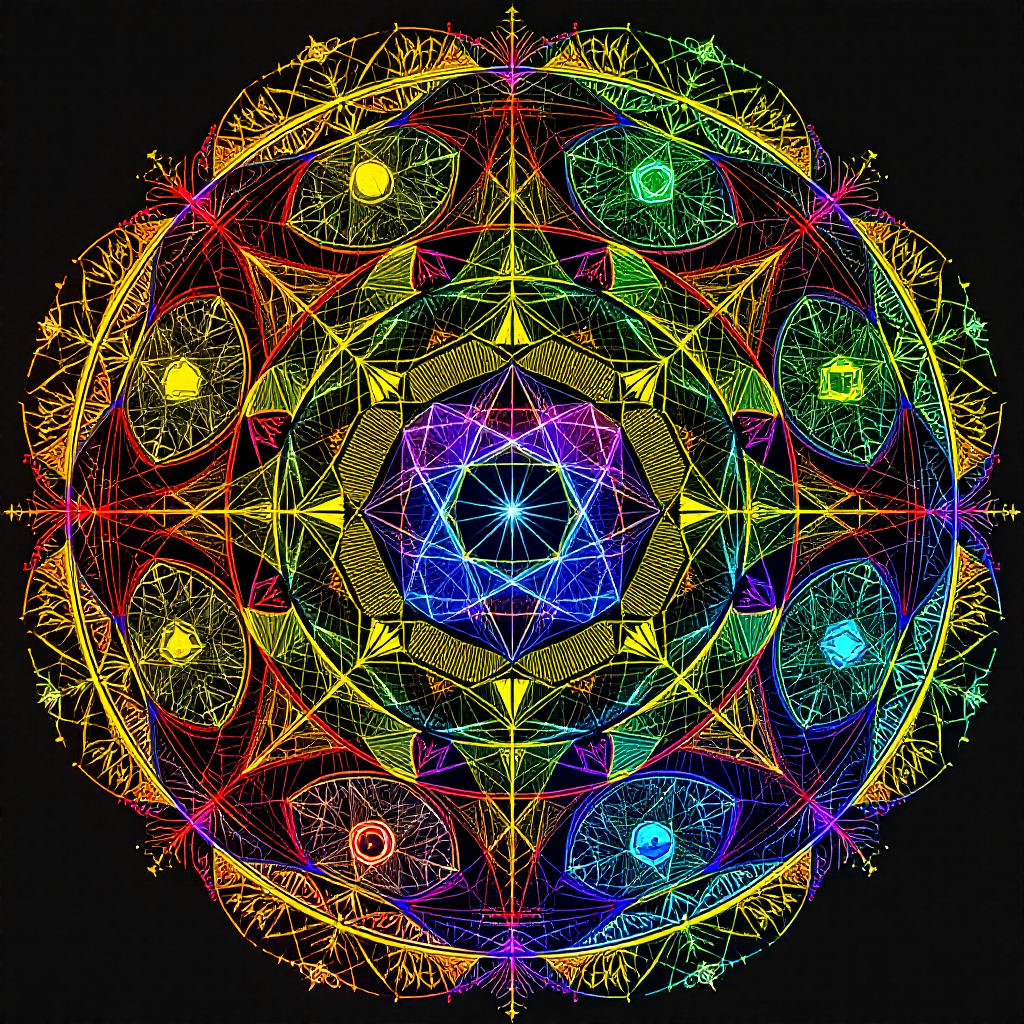
Platonic Solids Mandala
Integration of five perfect solids (tetrahedron, cube, octahedron, dodecahedron, icosahedron) representing the elements and ether.
Symbolism
Five solids represent Fire, Earth, Air, Water, and Spirit/Ether. Building blocks of reality according to Plato.
Sacred Colors
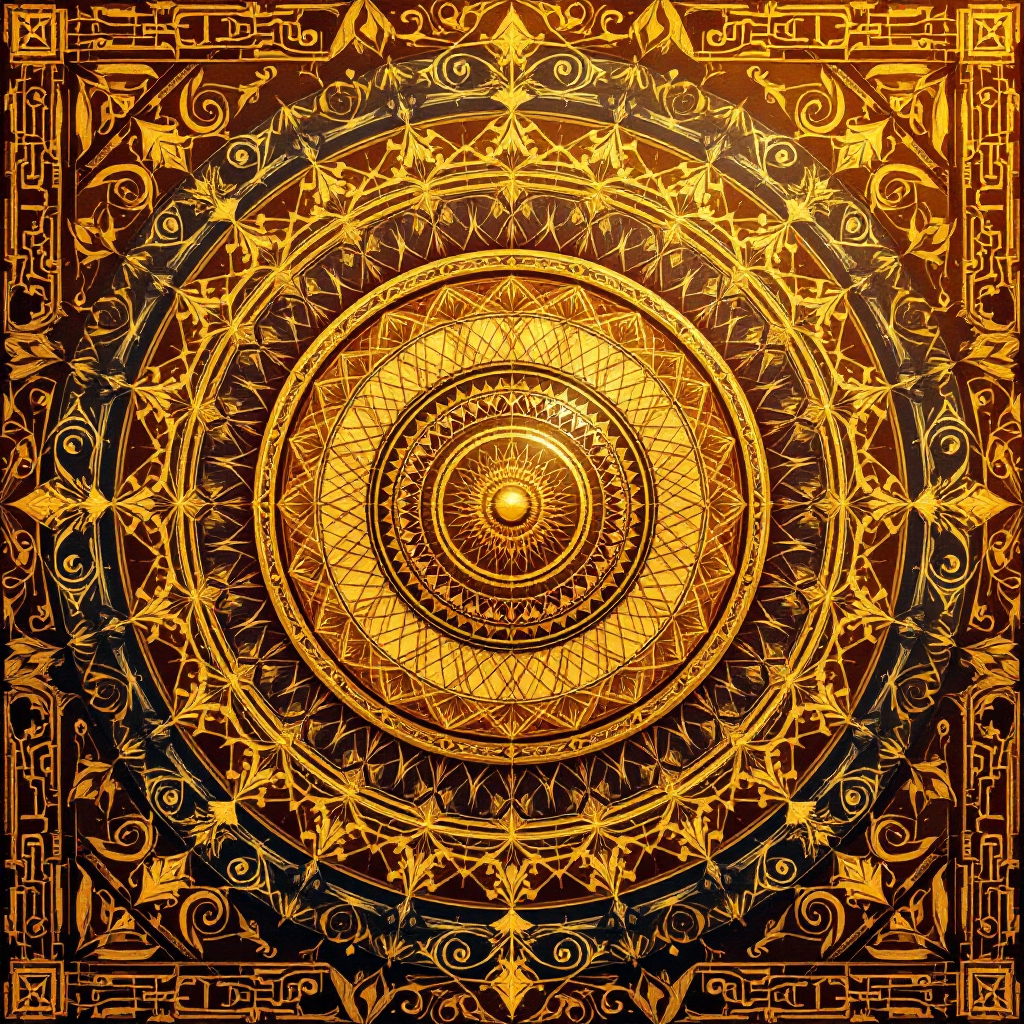
Golden Ratio Spiral Mandala
Fibonacci spiral arranged in mandala form, embodying phi (1.618) and the divine proportion found throughout nature.
Symbolism
The golden ratio represents optimal growth, natural beauty, and divine intelligence in creation.
Sacred Colors
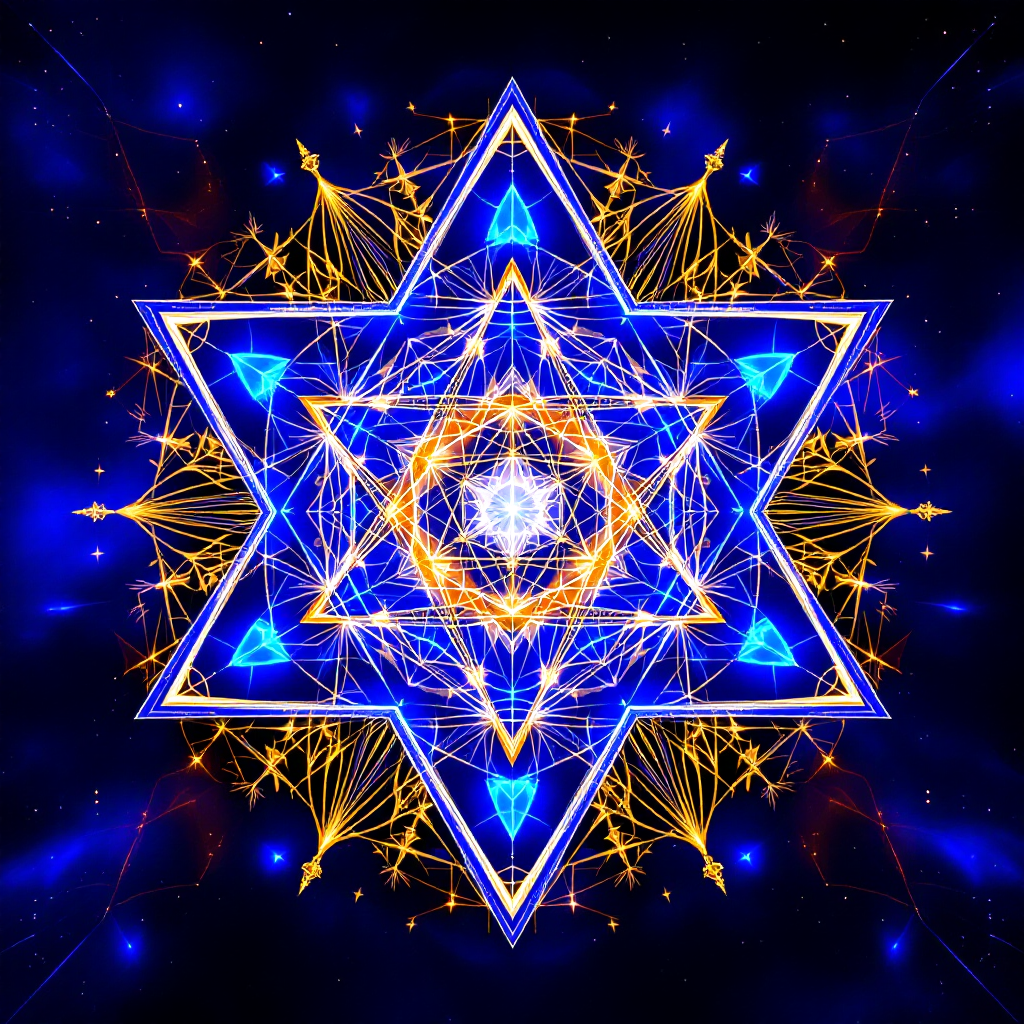
Merkaba Star Mandala
Two interlocking tetrahedrons forming a three-dimensional star, representing the light body and interdimensional travel.
Symbolism
Upward and downward pyramids represent masculine/feminine, heaven/earth, spirit/matter. Vehicle of ascension.
Sacred Colors
🙏 Deity Worship
Divine forms and celestial beings
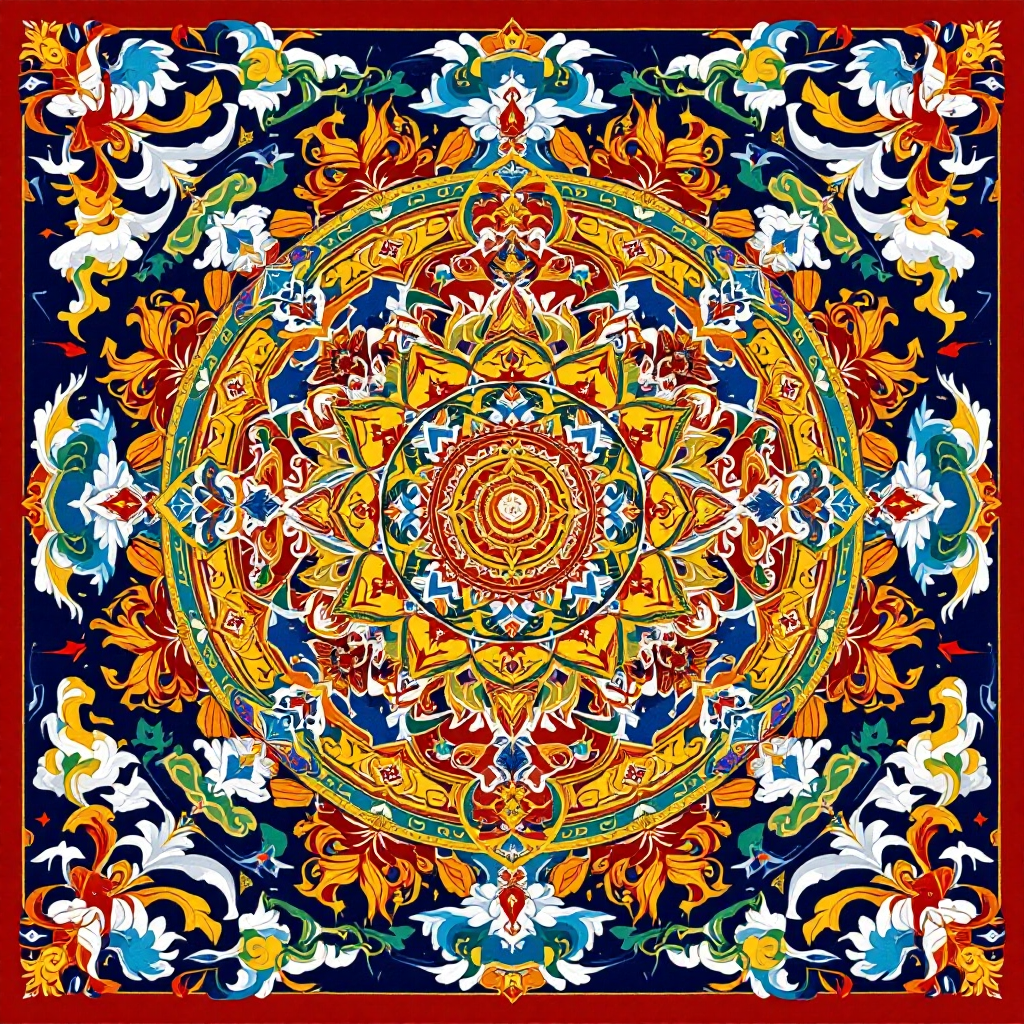
Tibetan Kalachakra Mandala
Represents the Wheel of Time and contains 722 deities within its intricate circular design. One of the most complex mandalas in Buddhist tradition.
Symbolism
Outer ring: protective flames. Second ring: vajras (thunderbolts). Inner circles: palace of the deity with four gates representing four directions and elements.
Sacred Colors
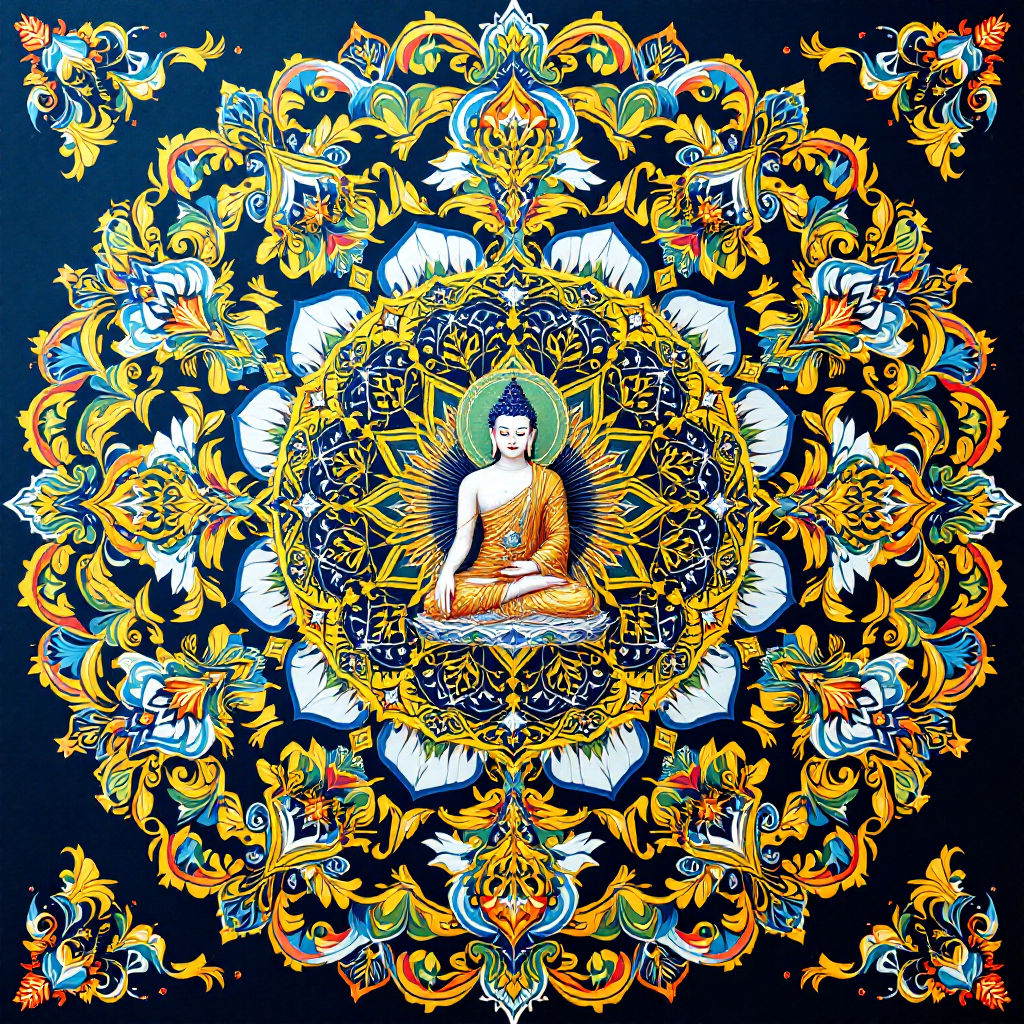
Medicine Buddha Mandala
Mandala of the healing Buddha, deep blue in color, holding a bowl of healing nectar. Surrounded by the eight Medicine Buddhas and healing symbols.
Symbolism
Blue represents the lapis lazuli light that heals all physical and mental sufferings. Bowl contains amrita (nectar of immortality).
Sacred Colors
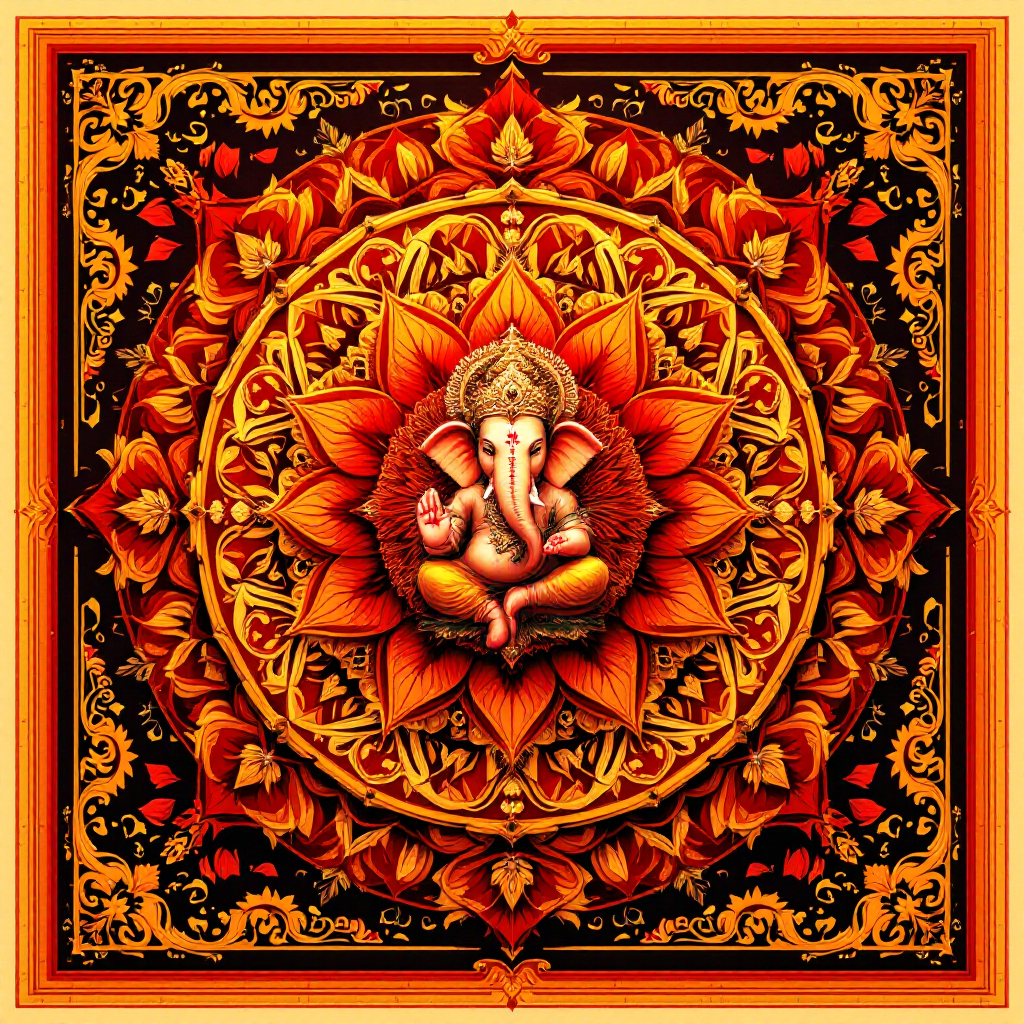
Ganesh Mandala
Circular mandala featuring Lord Ganesha at the center, surrounded by auspicious symbols, lotus petals, and geometric patterns. Used for removing obstacles and new beginnings.
Symbolism
Elephant head represents wisdom. Large ears for listening. Small eyes for concentration. Large belly digests all experiences. Mouse vehicle represents desire under control.
Sacred Colors
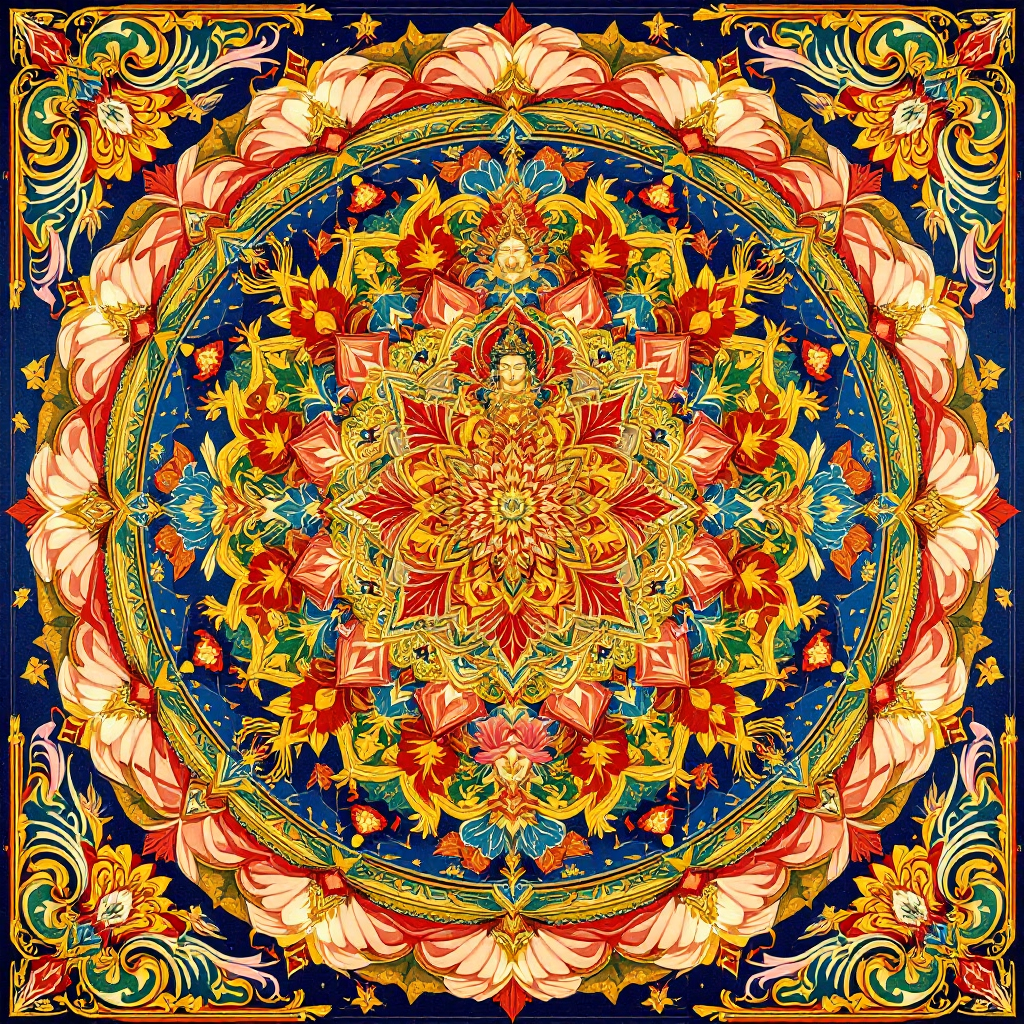
Mandala of Compassion (Avalokiteshvara)
Mandala of the Bodhisattva of Compassion, white in color with four or eleven heads and 1000 arms. Each hand holds a symbol of compassion and skillful means.
Symbolism
1000 arms represent infinite compassion reaching all beings. 1000 eyes see all suffering. White color represents purity and enlightened compassion.
Sacred Colors
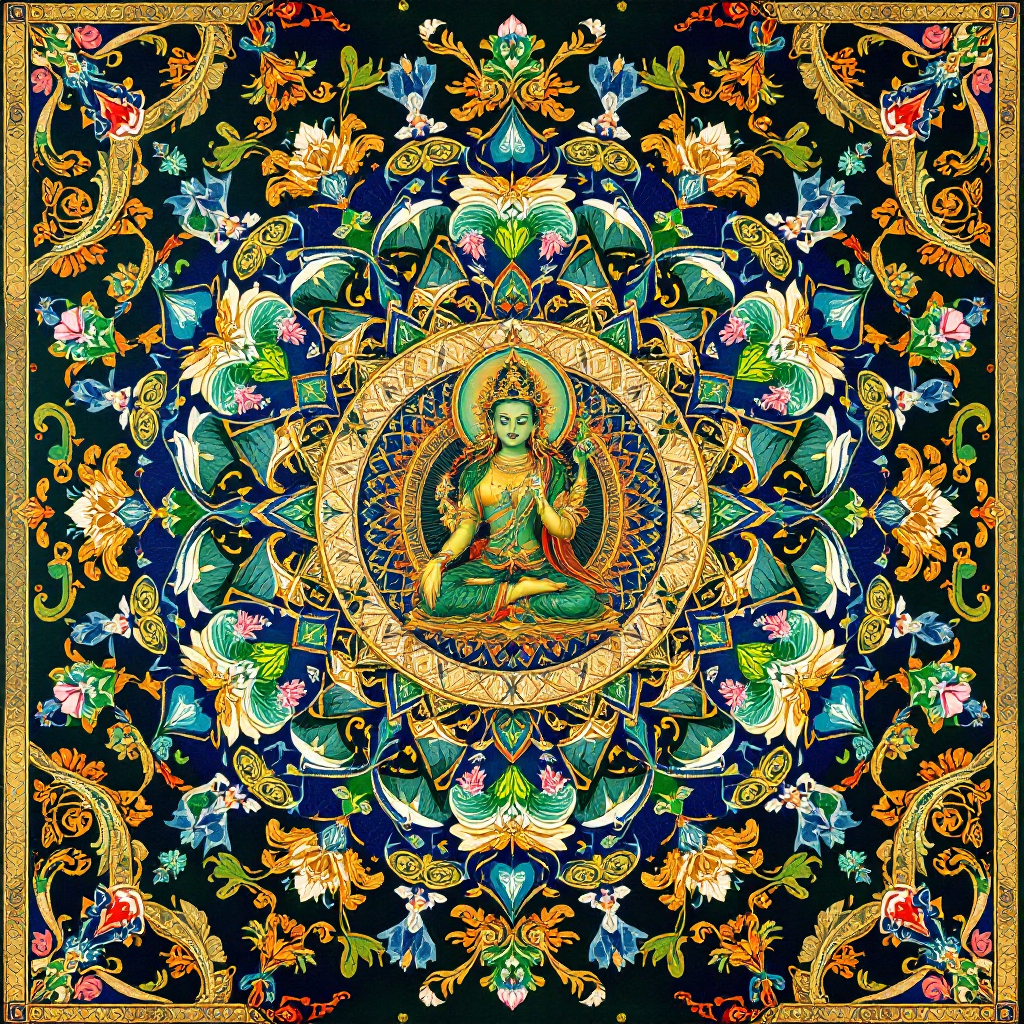
Tara Mandala (Green Tara)
Mandala of the swift-acting savior goddess who removes obstacles and fears. Green color represents active compassion and protection from dangers.
Symbolism
Right leg extended shows readiness to act. Left hand holds blue lotus (purity). Right hand in protection/blessing mudra. Green is the color of enlightened activity.
Sacred Colors
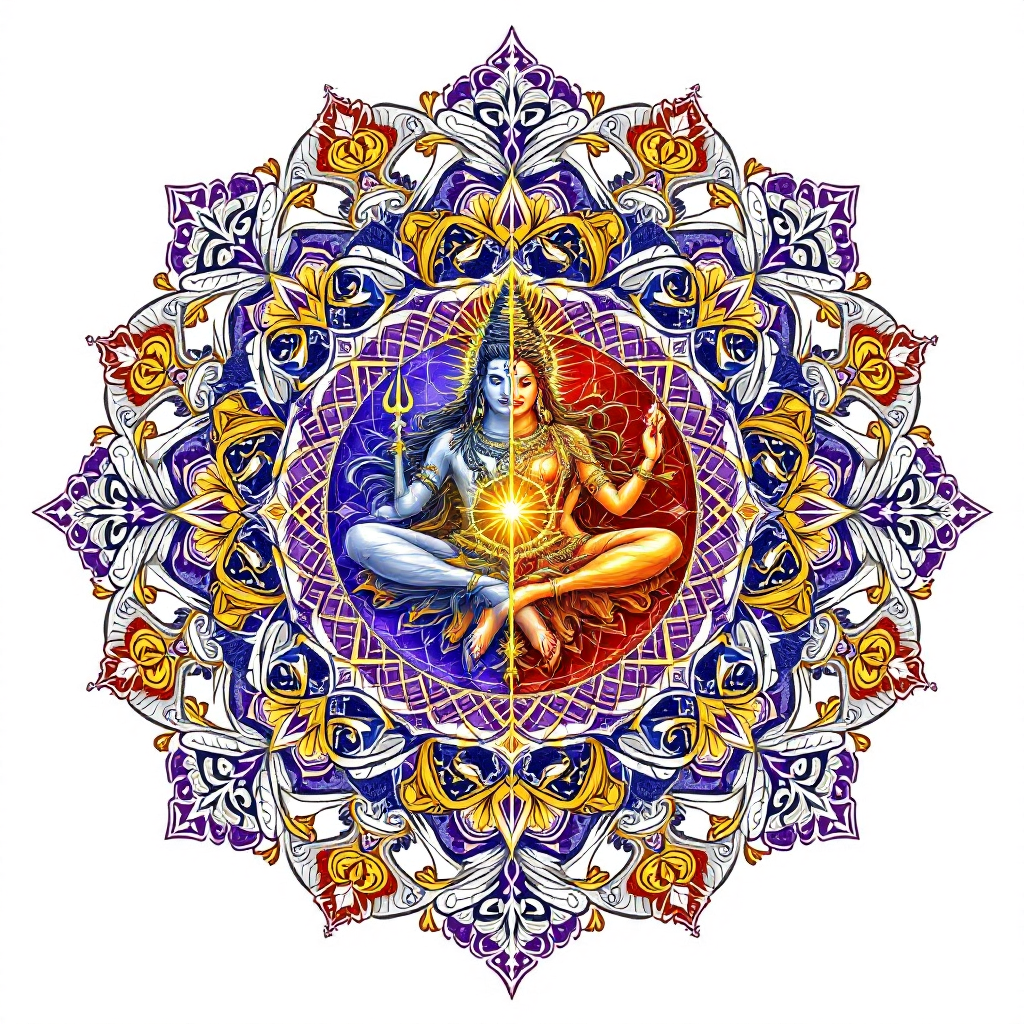
Shiva-Shakti Union Mandala
Tantric mandala depicting the union of Shiva (consciousness) and Shakti (energy) in various symbolic forms - Ardhanarishvara, interlocking triangles, or in cosmic embrace.
Symbolism
Right half (Shiva) represents pure consciousness, stillness, masculine principle. Left half (Shakti) represents dynamic energy, feminine principle. Union creates cosmos.
Sacred Colors
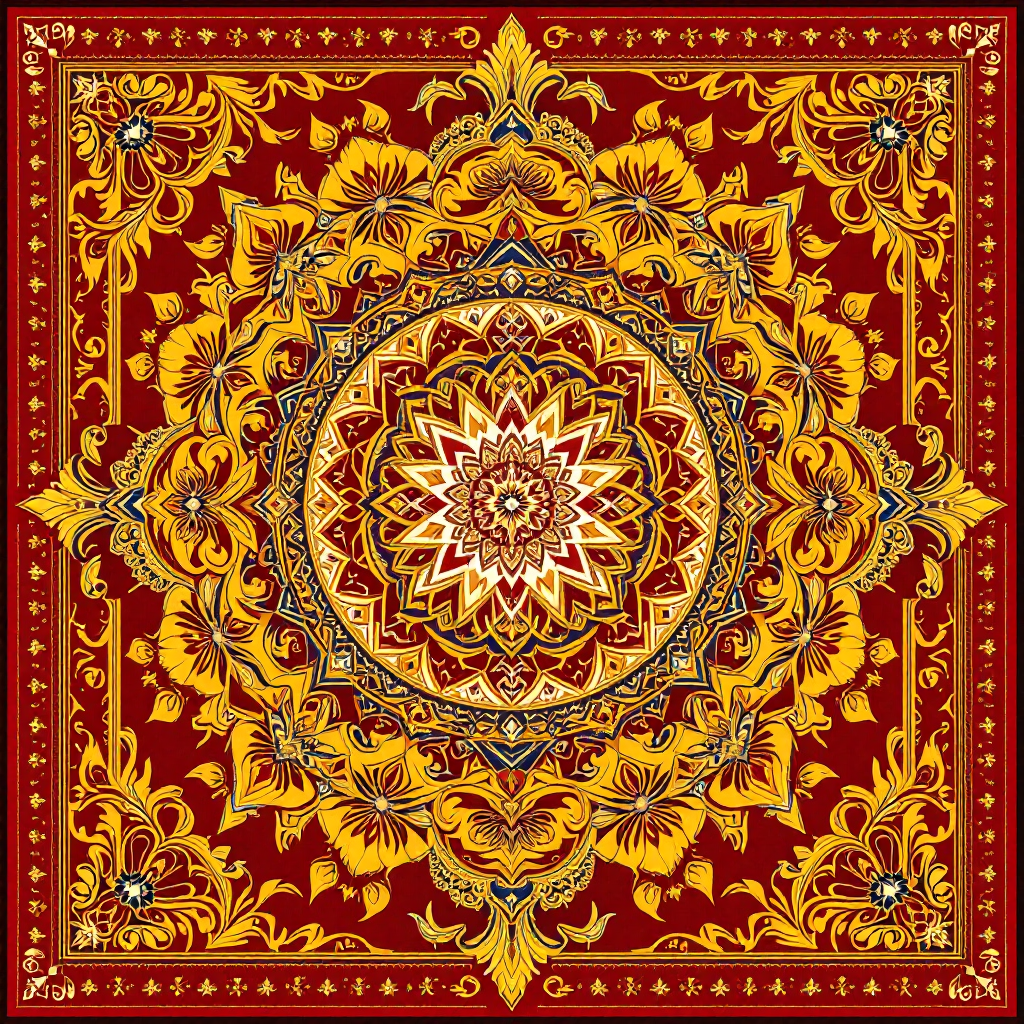
Durga Mandala
Mandala of the fierce divine mother riding her lion, with her ten arms holding various weapons. Surrounded by protective geometric patterns and the Navadurga (nine forms).
Symbolism
Ten arms represent power over ten directions. Lion represents mastery over ego. Each weapon symbolizes destruction of specific negative qualities.
Sacred Colors
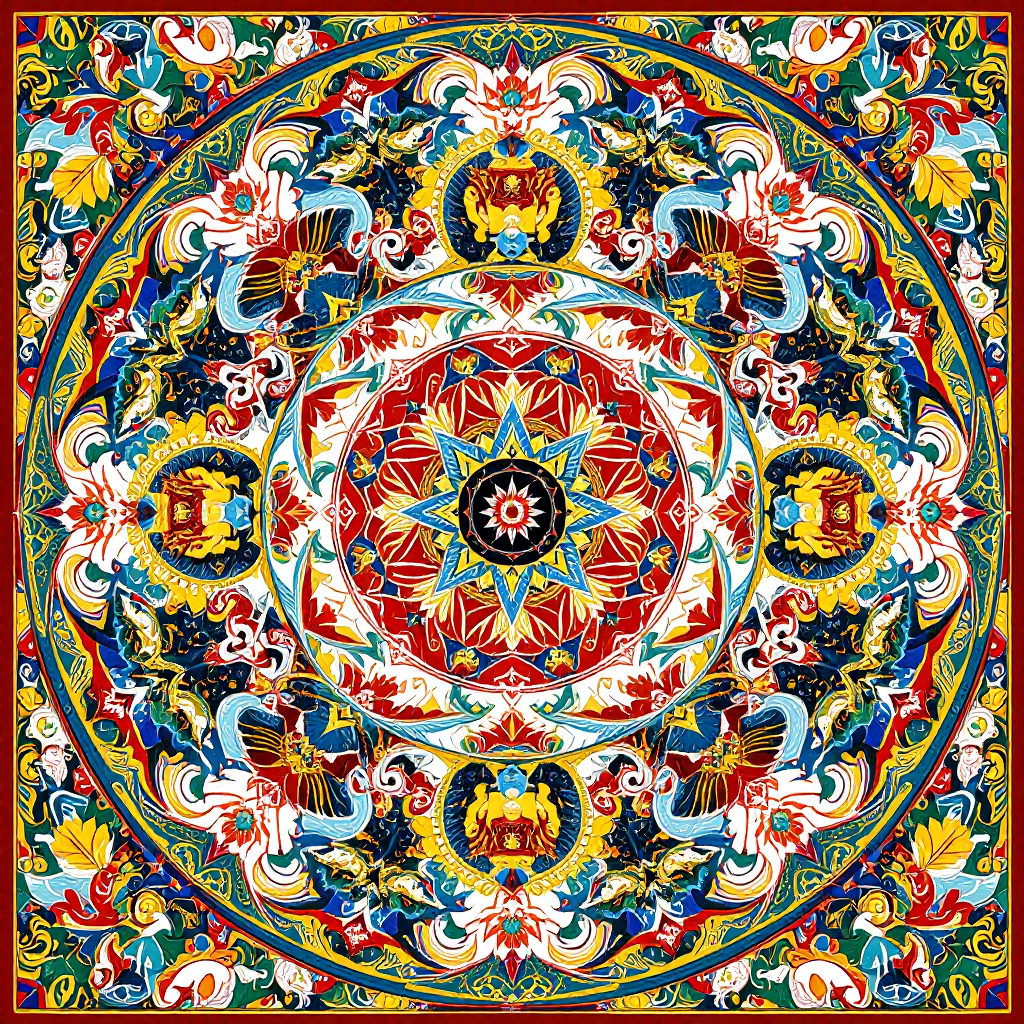
Mandala of the Five Dhyani Buddhas
Mandala featuring the five meditation Buddhas - Vairochana (center-white), Akshobhya (east-blue), Ratnasambhava (south-yellow), Amitabha (west-red), Amoghasiddhi (north-green).
Symbolism
Each Buddha transforms a poison into wisdom: ignorance→wisdom, anger→mirror-like wisdom, pride→equality wisdom, attachment→discriminating wisdom, jealousy→accomplishing wisdom.
Sacred Colors
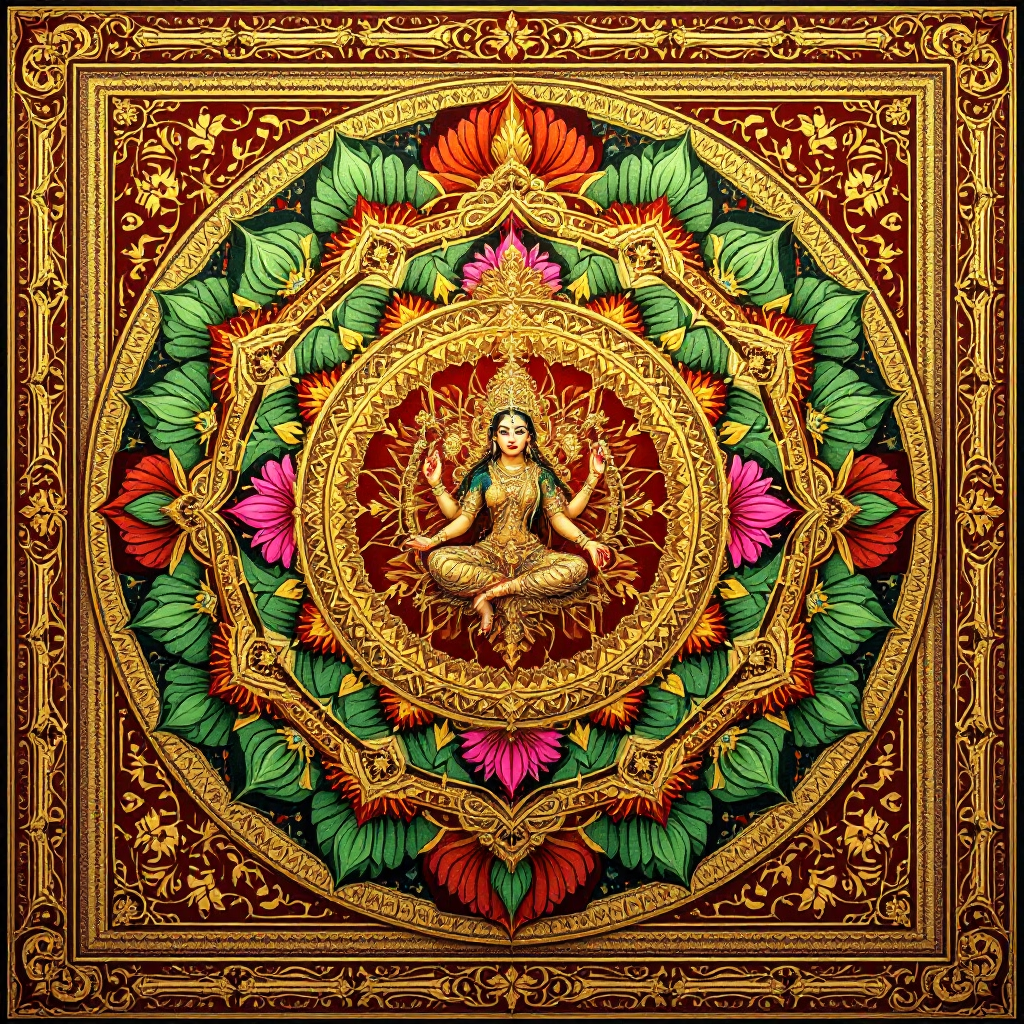
Lakshmi Mandala
Mandala of the goddess of wealth and prosperity, seated on a lotus, with two elephants pouring water over her. Surrounded by symbols of abundance and auspiciousness.
Symbolism
Gold coins flowing represent material wealth. Lotus represents spiritual wealth and purity. Elephants represent royal power and dignity. Four arms represent four goals of life.
Sacred Colors
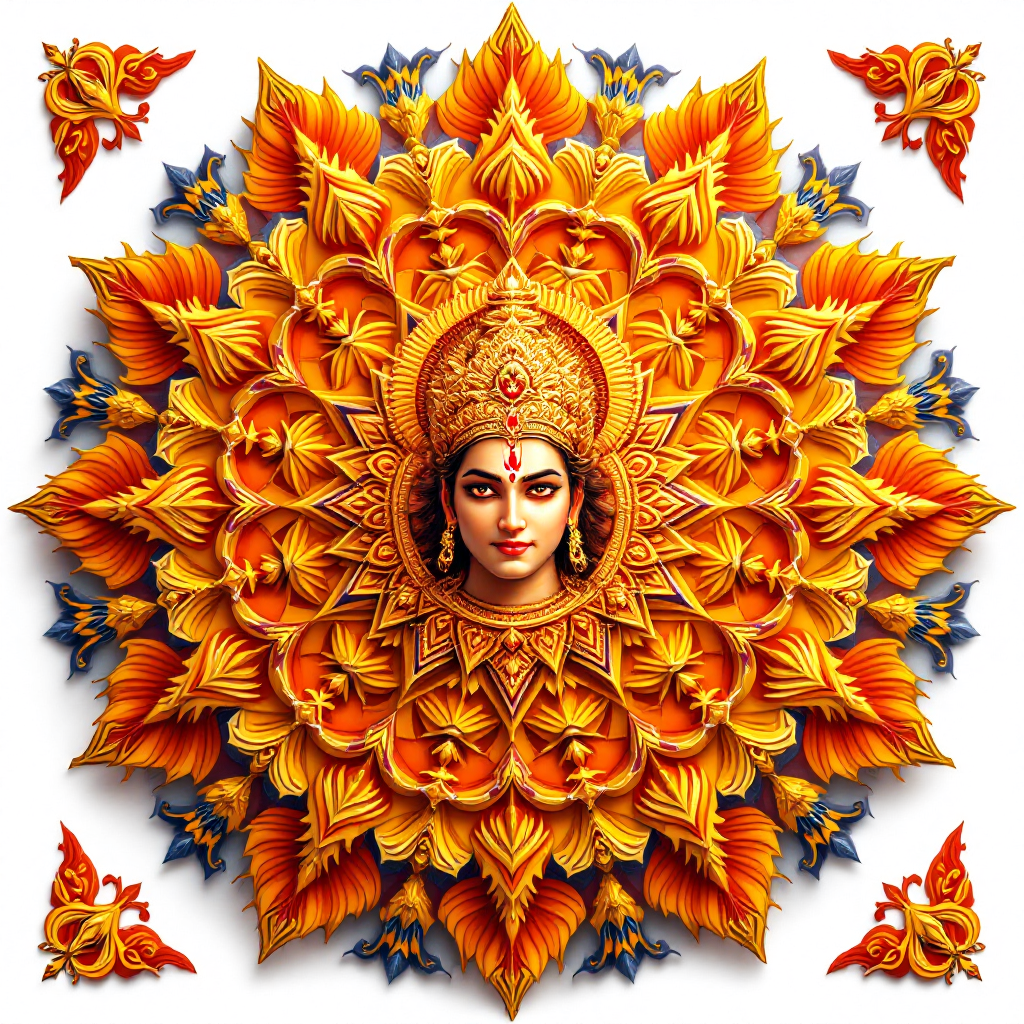
Hanuman Mandala
Mandala featuring the mighty devotee Hanuman, often shown carrying the mountain with Sanjeevani herb or in his iconic pose with mace, holding mountain.
Symbolism
Flying form represents transcendence over limitations. Mountain with herb represents healing and serving others. Tail raised high represents kundalini shakti.
Sacred Colors
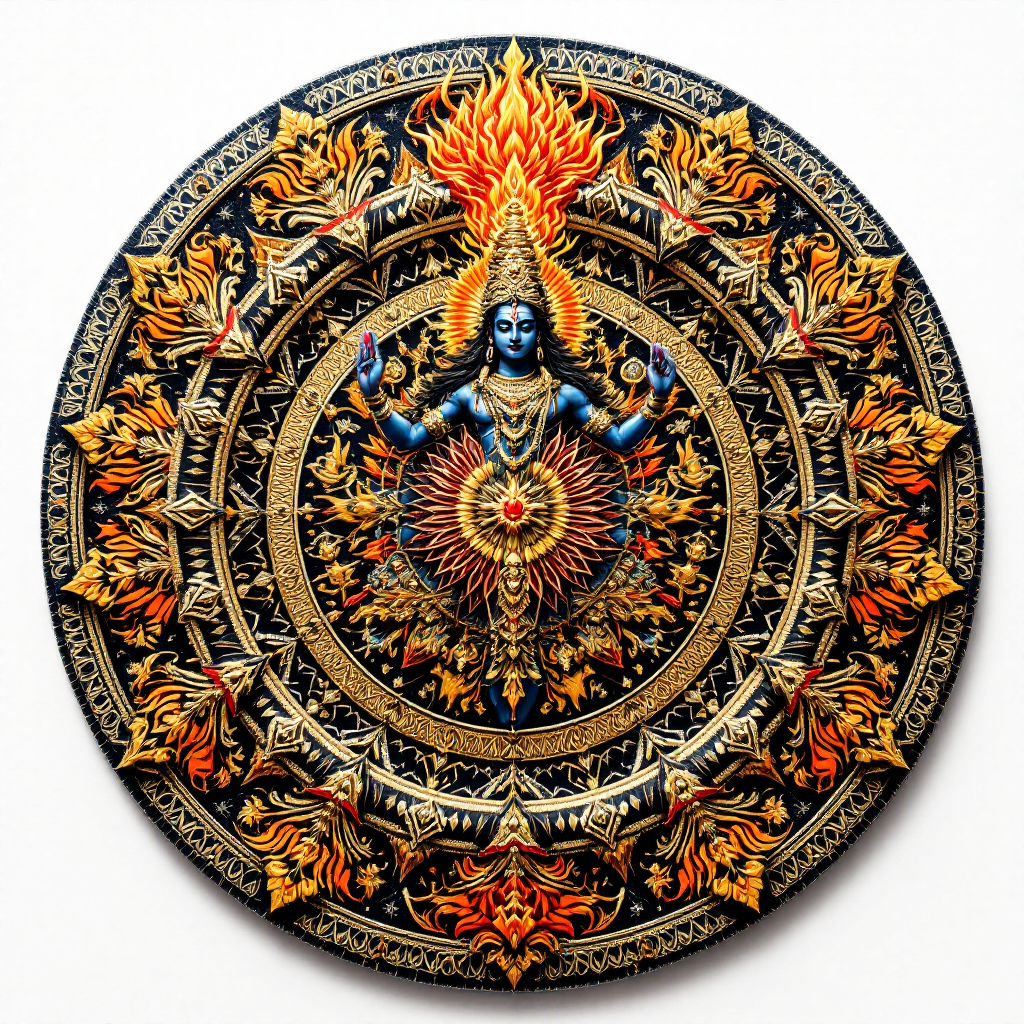
Nataraja Mandala
Mandala featuring Shiva in his cosmic dance form, standing on one leg within a ring of flames, performing the Ananda Tandava (dance of bliss).
Symbolism
Dance represents the cycles of creation-preservation-destruction. Ring of fire is the cosmos. Drum creates, hand in abhaya mudra protects, raised foot grants liberation.
Sacred Colors
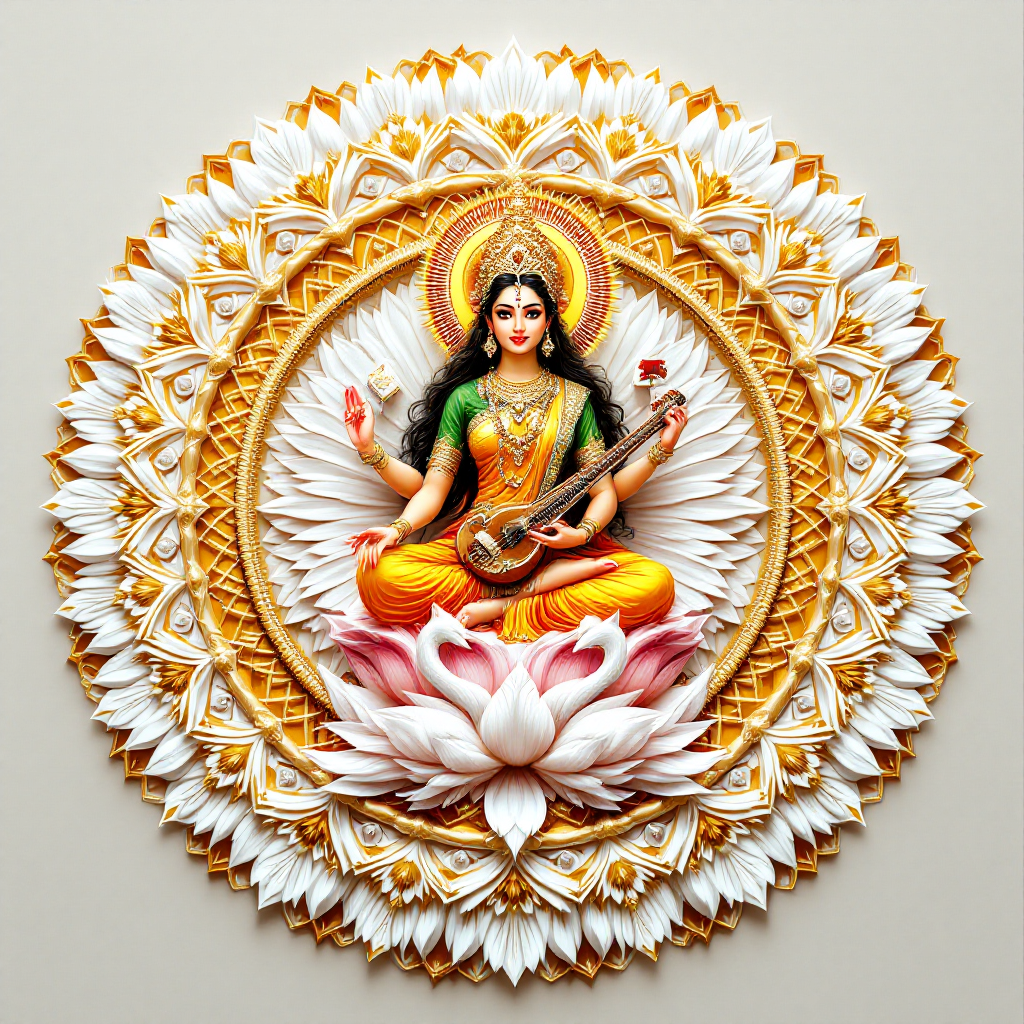
Saraswati Mandala
Goddess of knowledge, music, arts, and wisdom depicted with veena, books, and white lotus. Purifies intellect and enhances learning.
Symbolism
White lotus represents purity, veena is divine music, books are knowledge, swan discriminates real from unreal.
Sacred Colors
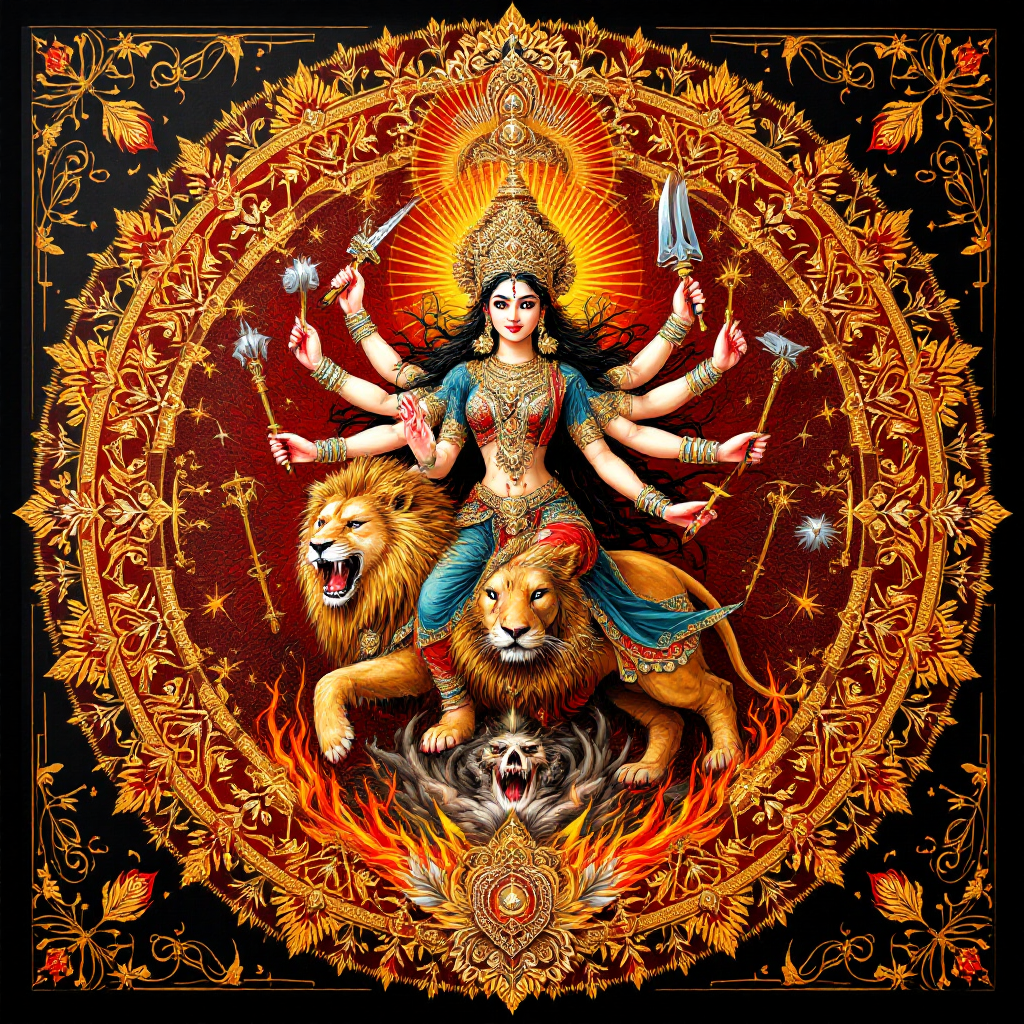
Durga Mandala
Warrior goddess with ten arms riding a lion, destroyer of demons. Supreme feminine power (Shakti) protecting dharma.
Symbolism
Ten arms hold weapons of gods, lion represents controlled power, demons are inner negativities.
Sacred Colors
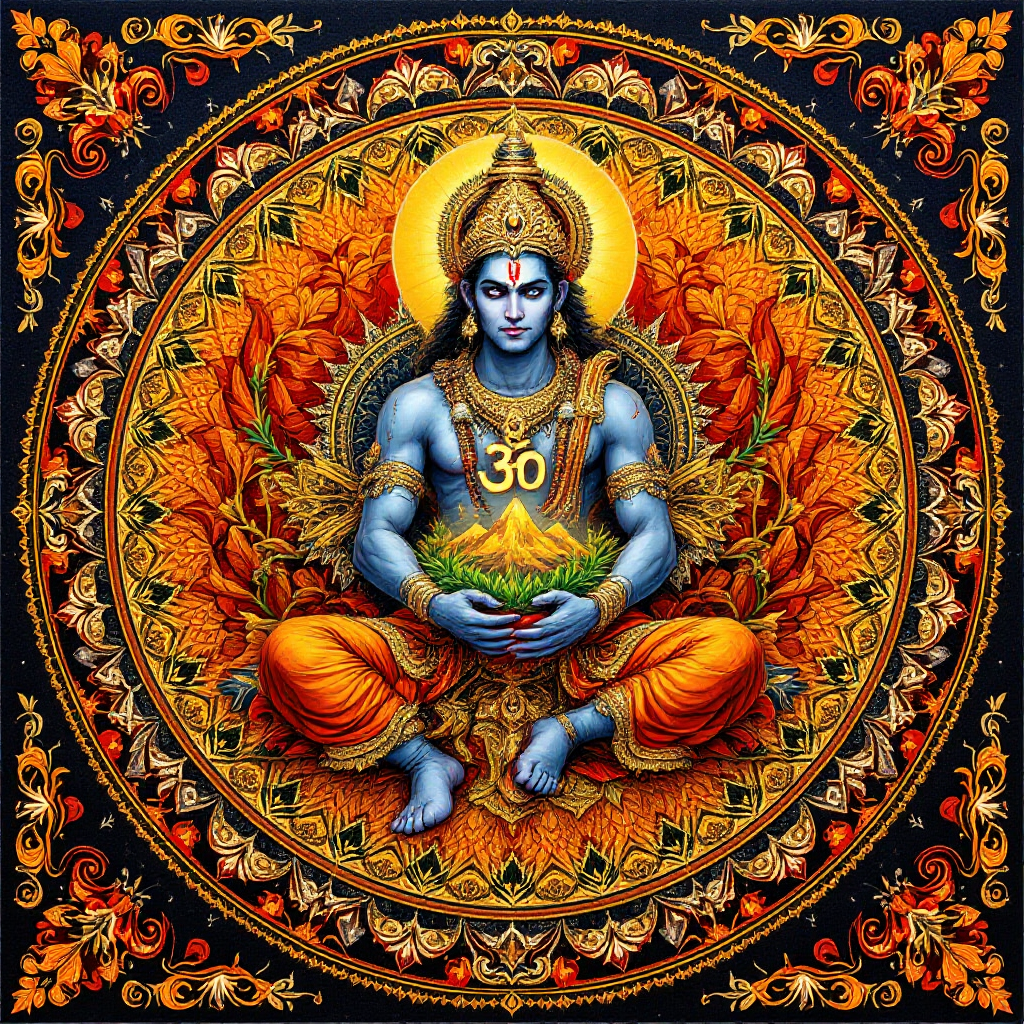
Hanuman Mandala
Monkey god of devotion, strength, and selfless service. Embodies bhakti and supernatural abilities through devotion to Rama.
Symbolism
Holds mountain of healing herbs, carries Rama-Sita in heart, mace destroys ego, represents perfect devotee.
Sacred Colors
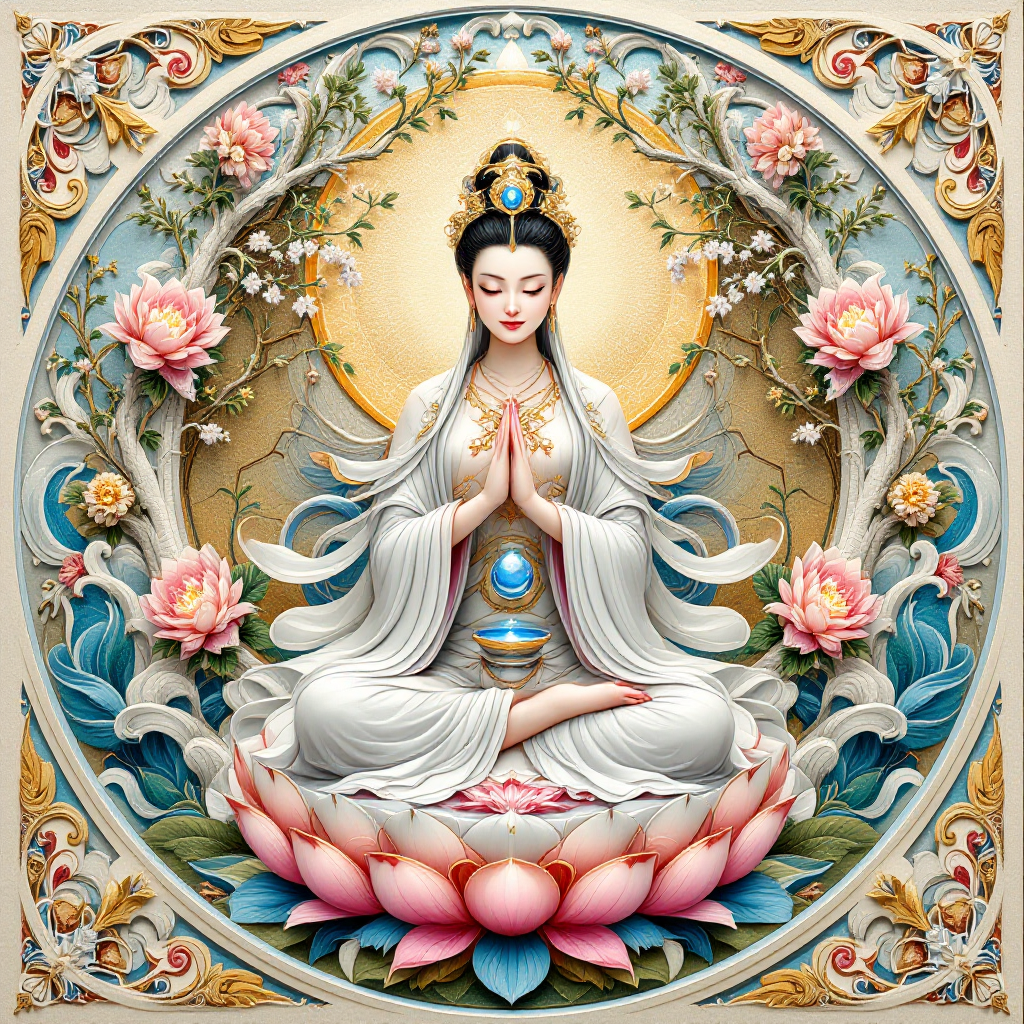
Quan Yin Mandala
Bodhisattva of compassion holding willow branch and water vase. Hears the cries of all beings and responds with mercy.
Symbolism
Willow bends without breaking (flexibility), vase contains healing nectar, white robes show purity, lotus seat.
Sacred Colors
🌟 Planetary & Cosmic
Celestial bodies and cosmic influences
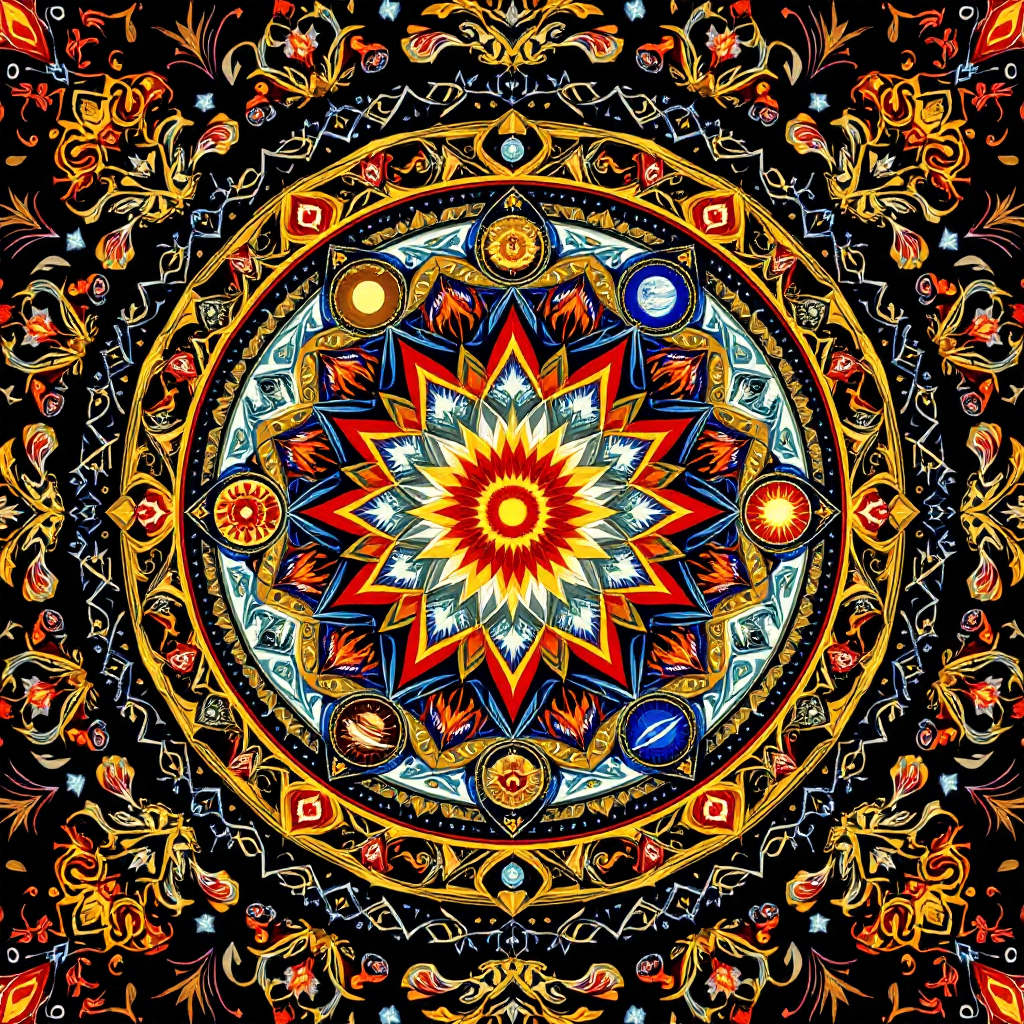
Navagraha Mandala
Mandala featuring the nine celestial bodies (Sun, Moon, Mars, Mercury, Jupiter, Venus, Saturn, Rahu, Ketu) arranged in a specific pattern with Sun at center.
Symbolism
Each planet deity has specific colors, directions, and gemstones. Rahu and Ketu are shadow planets (lunar nodes) representing karmic forces.
Sacred Colors
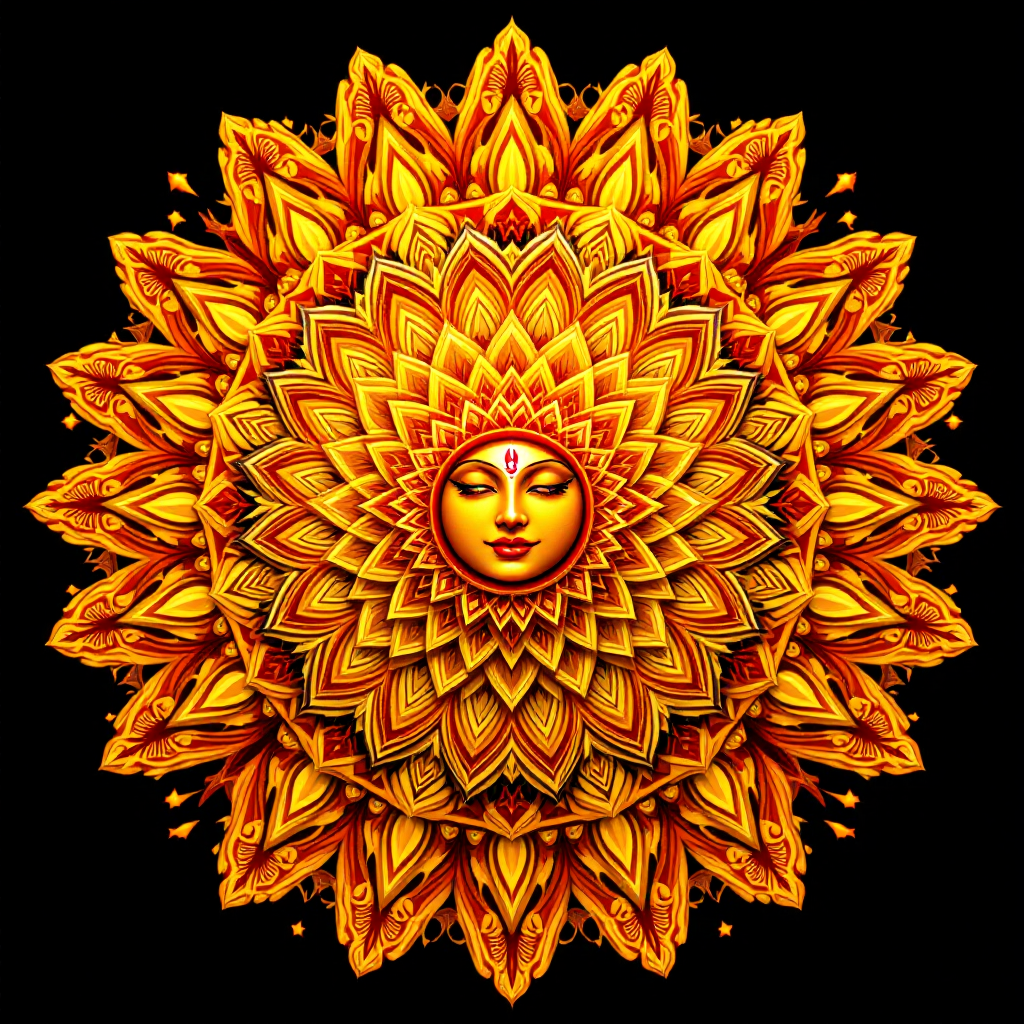
Solar Mandala (Surya Mandala)
Radiant mandala featuring the sun deity at center, with twelve forms representing twelve months. Rays of light extending in all directions with geometric patterns.
Symbolism
Twelve forms of Surya represent twelve Adityas (solar deities) and twelve zodiac signs. Rays represent life-giving energy reaching all creation.
Sacred Colors
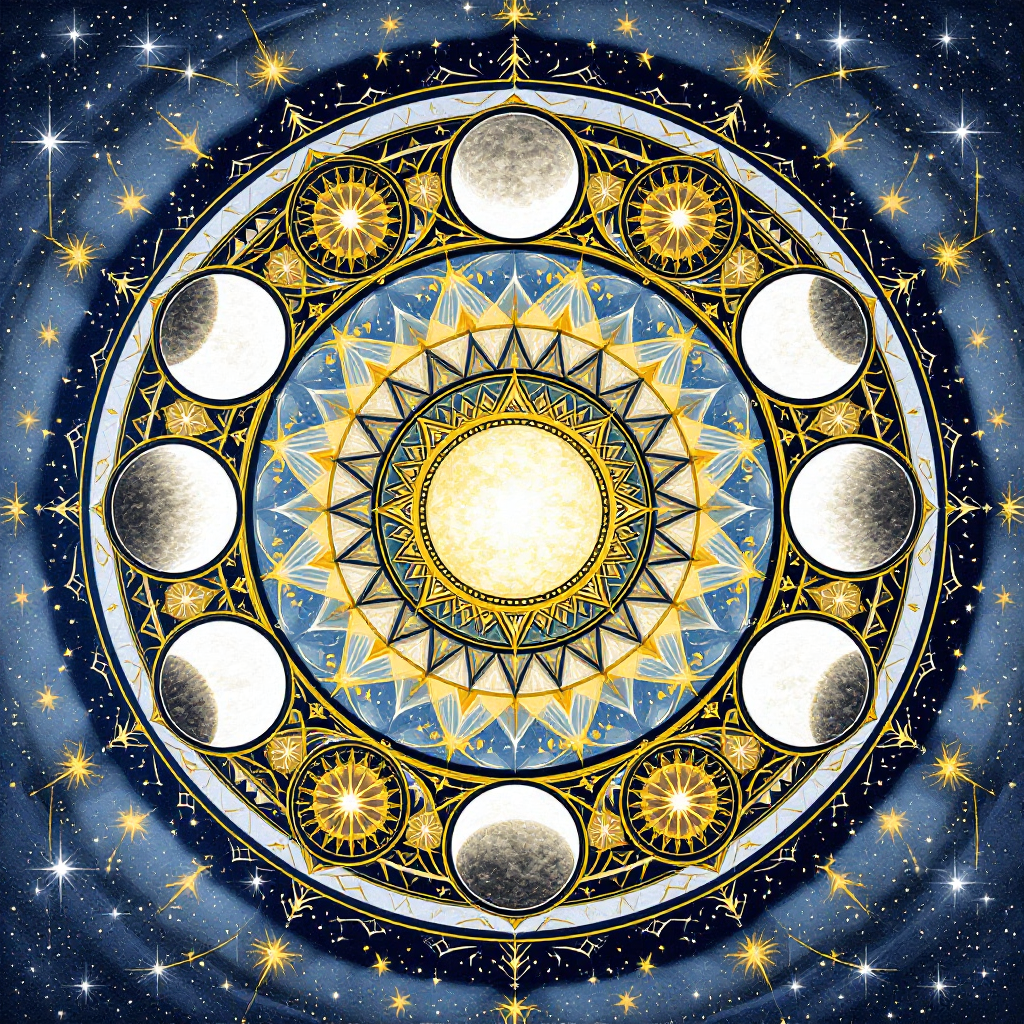
Moon Phases Mandala
Eight phases of the moon arranged in circular pattern. Represents cycles, rhythms, feminine energy, and emotional tides.
Symbolism
New moon is new beginnings, full moon is culmination, waxing/waning represent growth and release.
Sacred Colors
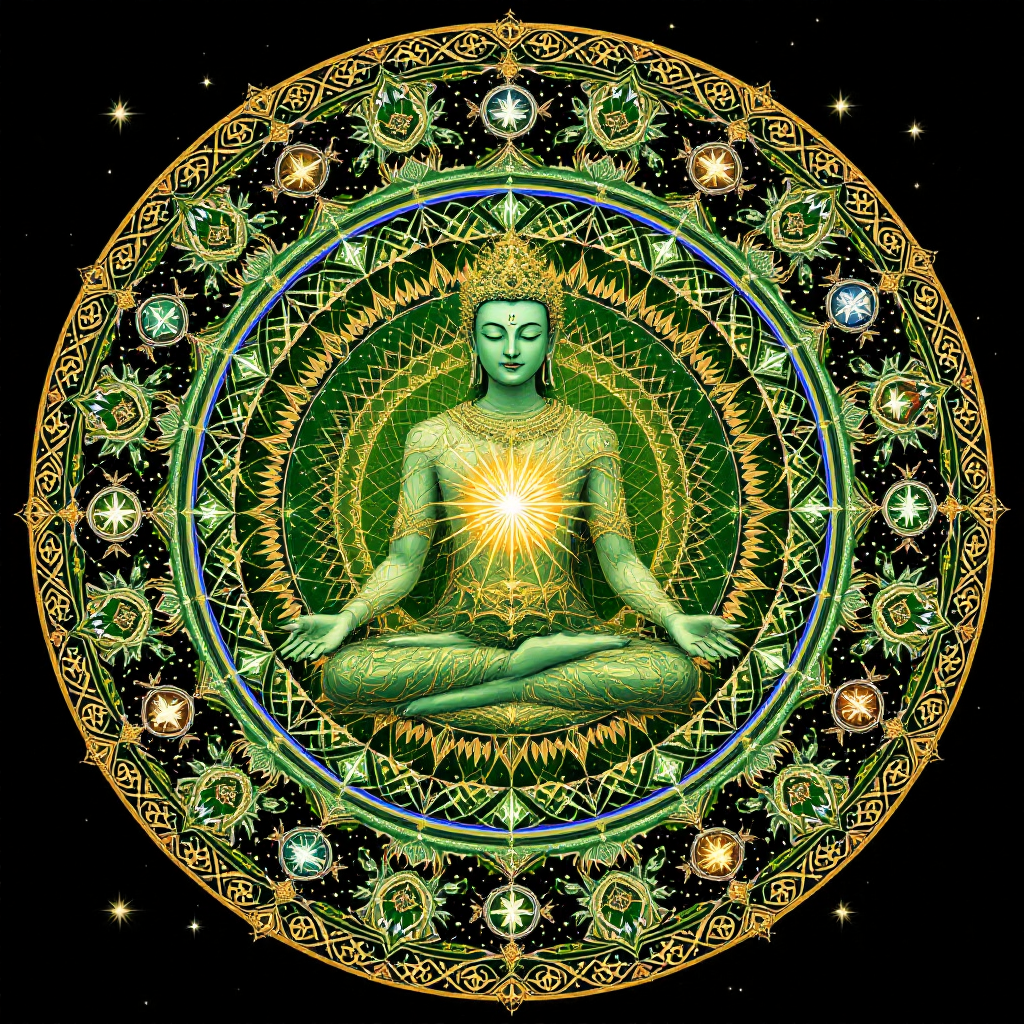
Mercury Mandala (Budha)
Swiftfooted messenger planet governing communication, intellect, and commerce. Green energy of adaptability.
Symbolism
Emerald green represents wisdom, swift movement shows mental agility, multiple arms hold writing implements.
Sacred Colors
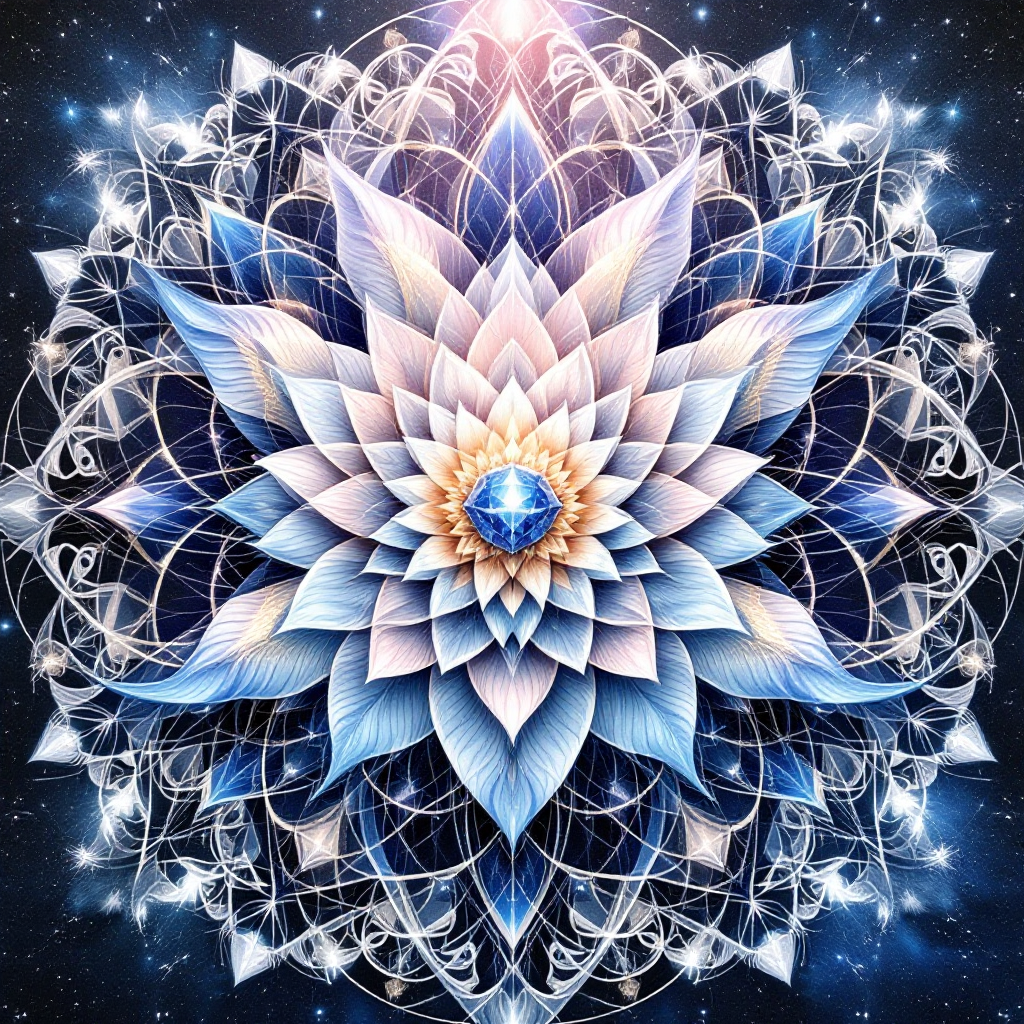
Venus Mandala (Shukra)
Planet of love, beauty, luxury, and relationships. Guru of demons, representing material prosperity and pleasure.
Symbolism
Diamond represents value and clarity, white/silver is refinement, lotus shows beauty unfolding.
Sacred Colors
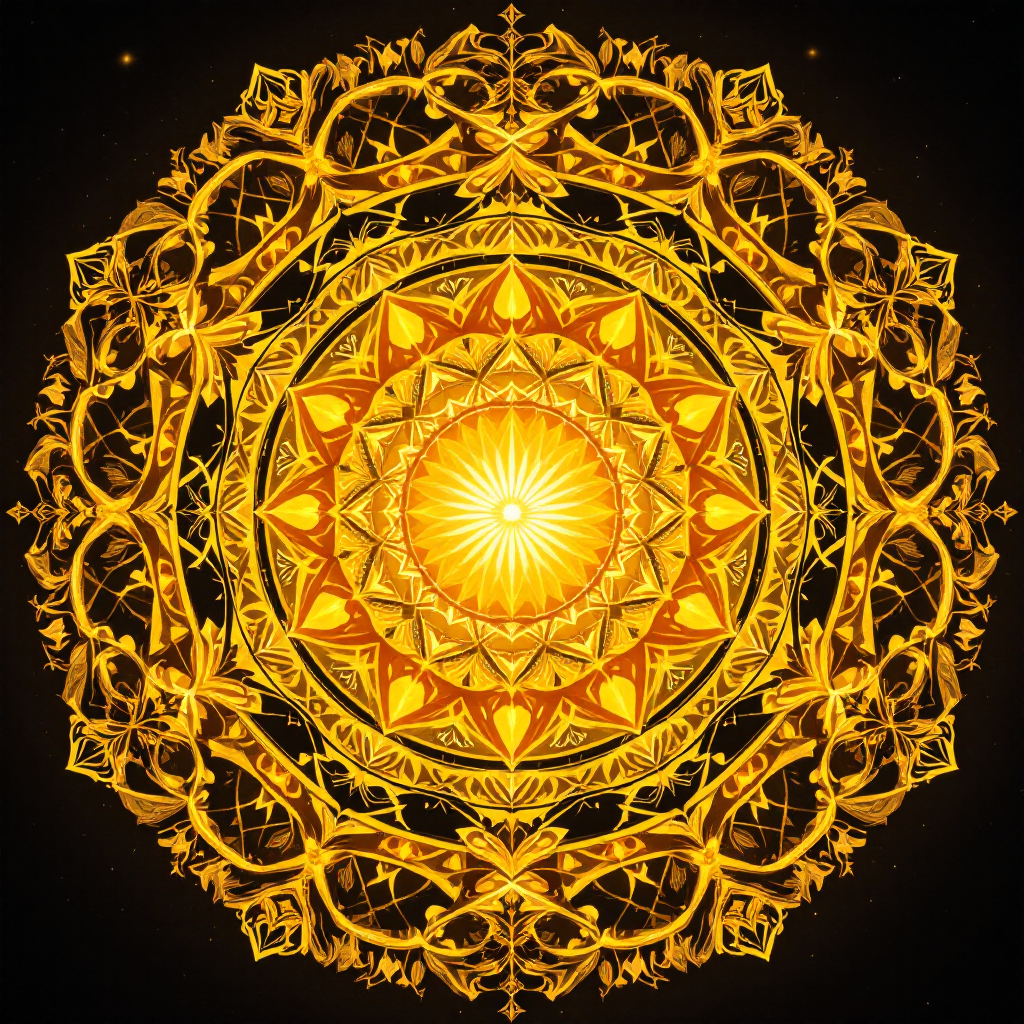
Jupiter Mandala (Guru)
Great benefic planet of wisdom, expansion, and spirituality. Guru of gods, bestowing knowledge and prosperity.
Symbolism
Yellow topaz represents wisdom and abundance, brahmin priest shows spiritual knowledge, benevolent gaze.
Sacred Colors
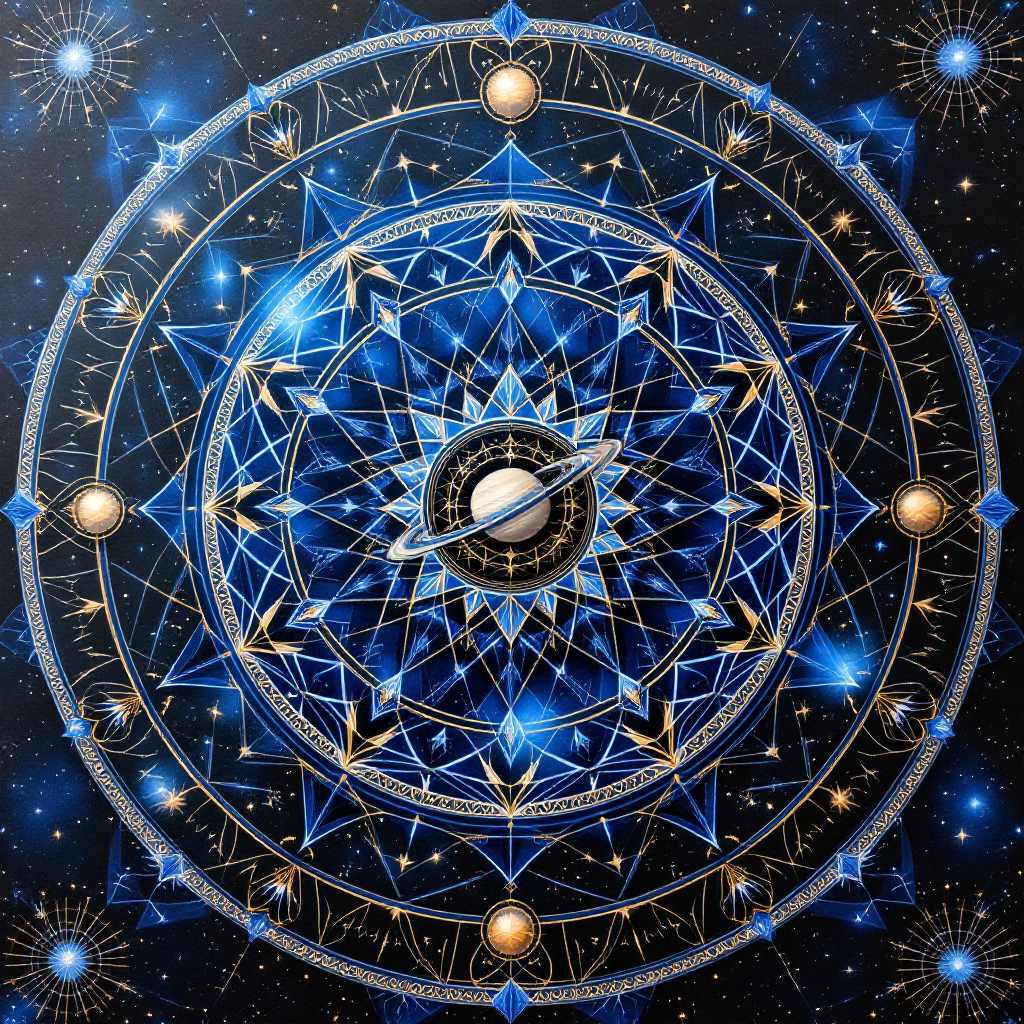
Saturn Mandala (Shani)
Taskmaster planet of karma, discipline, and time. Feared yet ultimately beneficial through lessons and structure.
Symbolism
Blue sapphire represents deep wisdom through suffering, dark color shows hidden knowledge, crow is messenger.
Sacred Colors
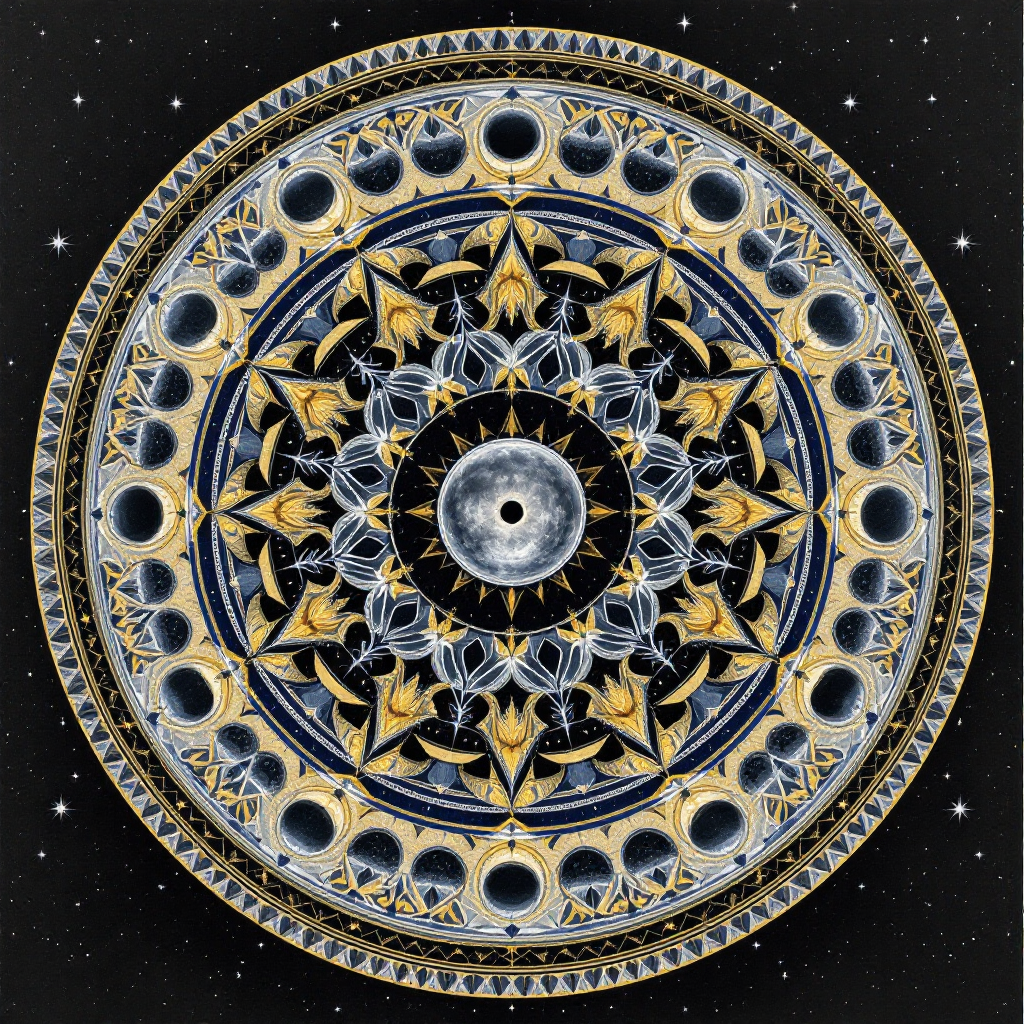
Rahu Mandala (North Node)
Shadow planet of desires, illusions, and worldly ambitions. Head of the serpent causing eclipses and karmic lessons.
Symbolism
Serpent head without body represents insatiable desires, eclipses show hidden karmas emerging.
Sacred Colors
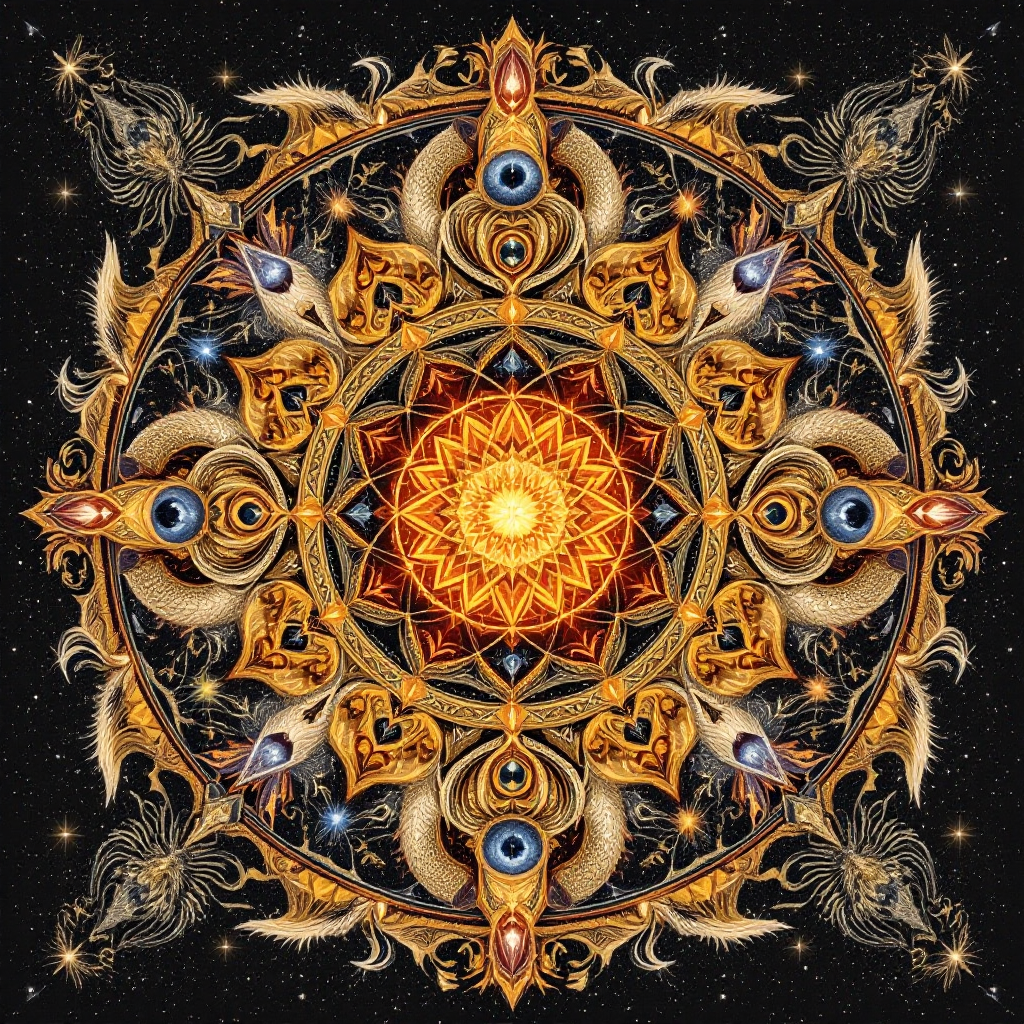
Ketu Mandala (South Node)
Shadow planet of spirituality, liberation, and past life karma. Tail of serpent causing eclipses and moksha.
Symbolism
Headless body represents detachment from ego, moksha flag shows spiritual liberation goal.
Sacred Colors
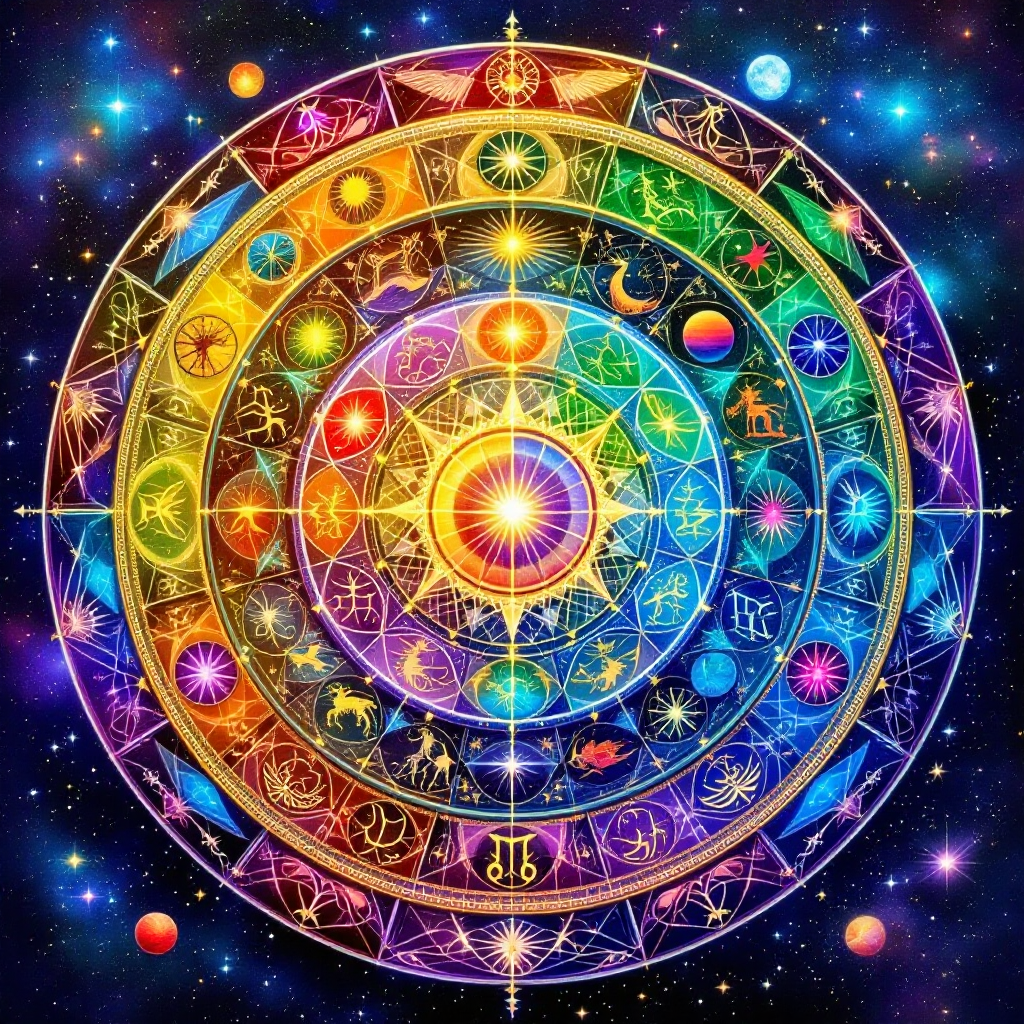
Zodiac Wheel Mandala
Complete zodiac circle with all twelve signs. Represents the cosmic journey of soul through different archetypes.
Symbolism
Twelve signs represent twelve faces of consciousness, four elements distributed, three modalities balanced.
Sacred Colors
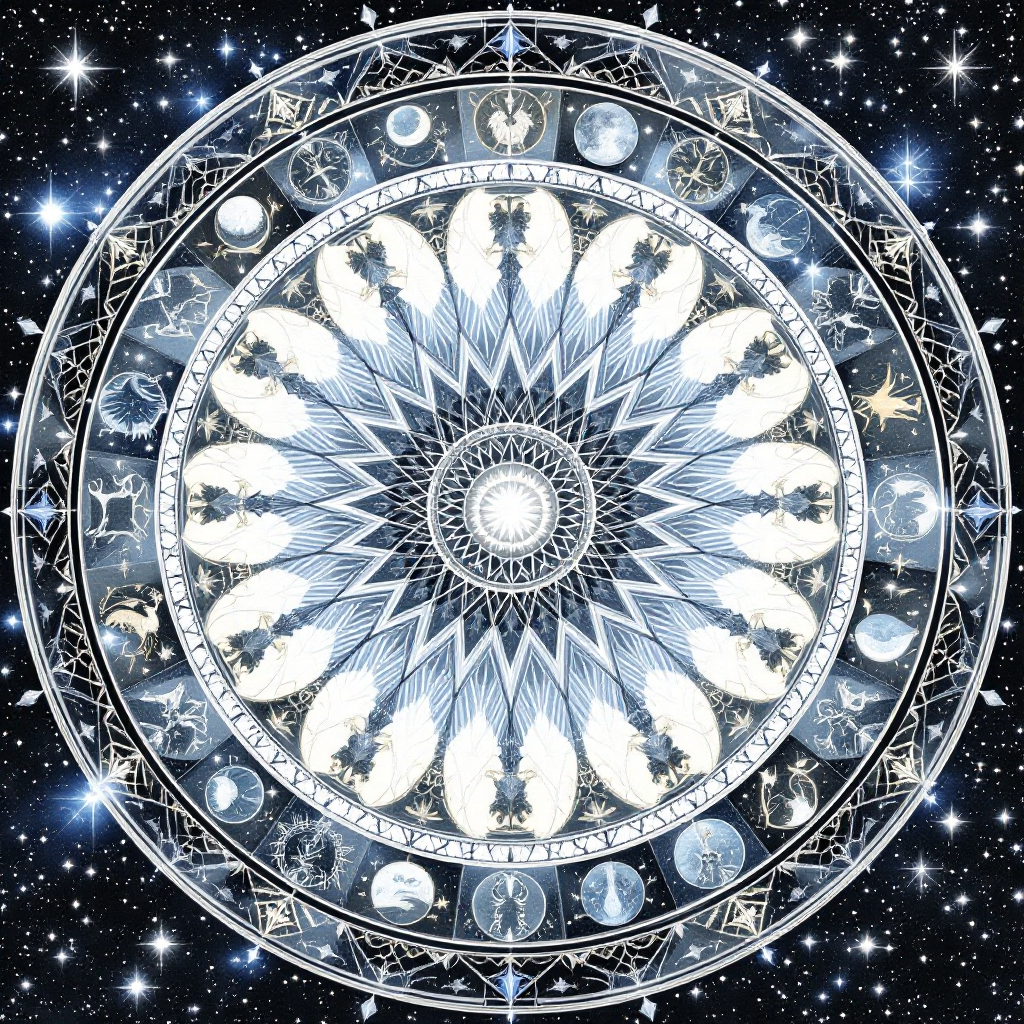
Nakshatra Mandala
Twenty-seven lunar mansions (nakshatras) arranged in sacred wheel. Finest division of zodiac in Vedic system.
Symbolism
Each nakshatra has deity, symbol, animal, and qualities. Represents soul's detailed journey.
Sacred Colors
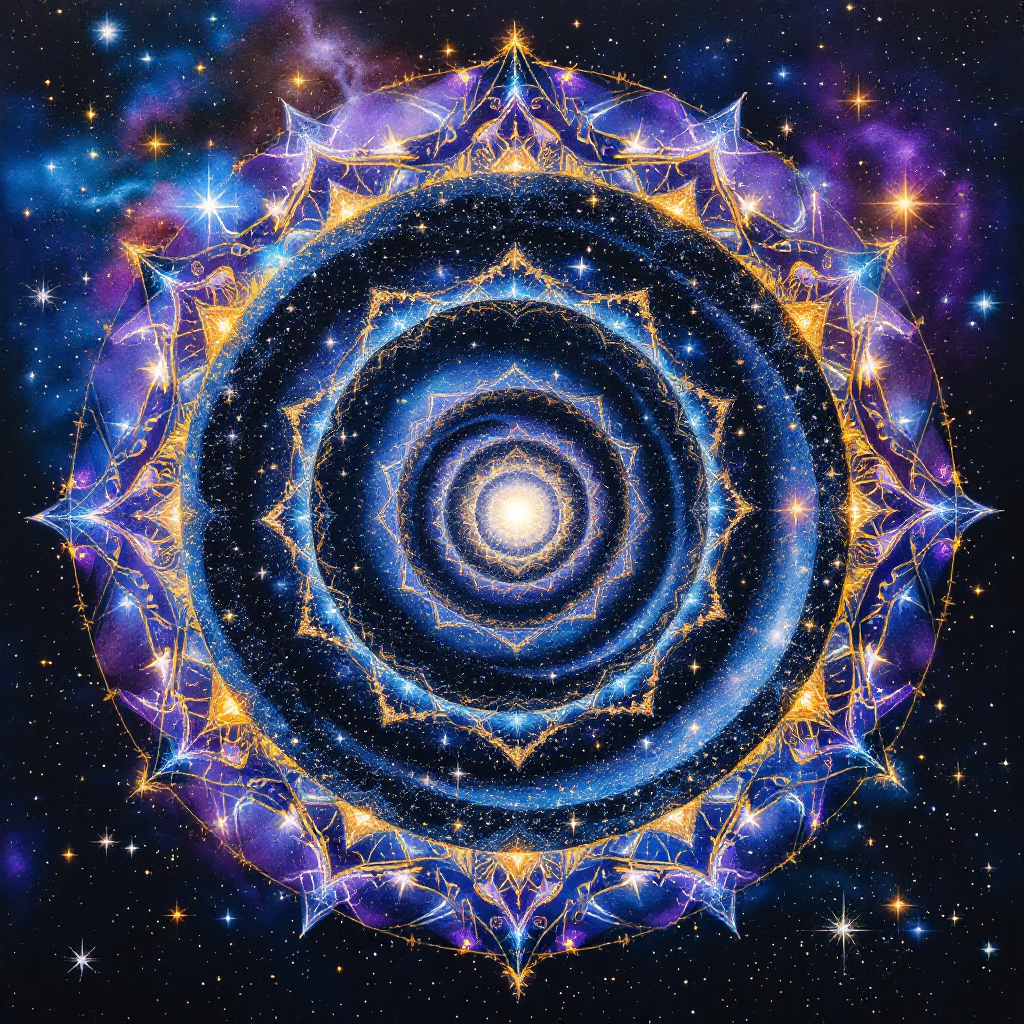
Galaxy Spiral Mandala
Spiral galaxy form representing vast cosmic scale and universal consciousness. Microcosm reflects macrocosm.
Symbolism
Spiral arms show creative force expanding, dark center is mystery, stars represent infinite souls.
Sacred Colors
🌸 Nature & Elements
Natural patterns and elemental forces
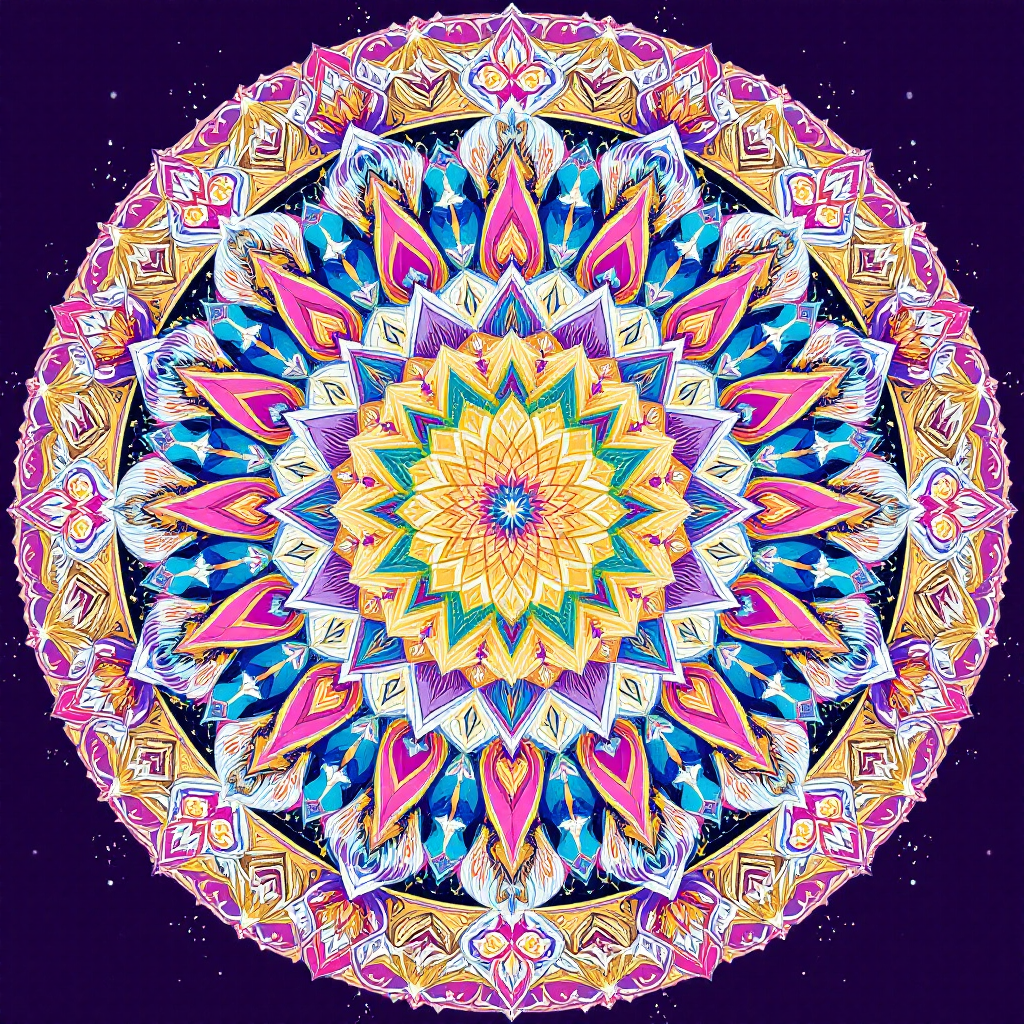
Lotus Mandala
Simple yet profound mandala featuring concentric lotus petals emanating from a central point. Represents spiritual unfolding and purity rising from mud.
Symbolism
Lotus grows from mud (ignorance) through water (experience) to bloom in air (enlightenment). Petals represent stages of spiritual opening.
Sacred Colors
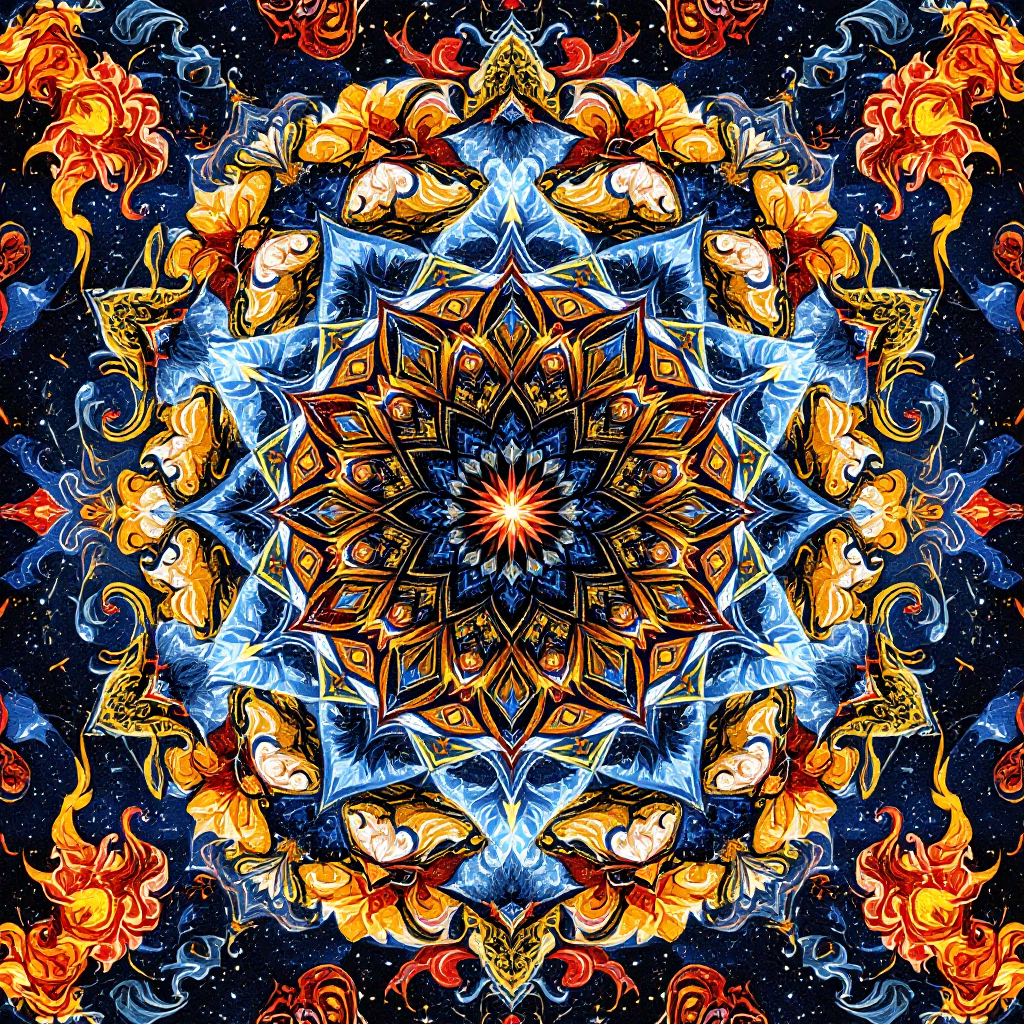
Mandala of the Elements
Mandala representing the five great elements (Pancha Mahabhuta) - Earth, Water, Fire, Air, and Space/Ether. Each with specific geometry, color, and symbolism.
Symbolism
Earth (yellow square-stability), Water (white crescent-fluidity), Fire (red triangle-transformation), Air (blue circle-movement), Space (multi-color/void-consciousness).
Sacred Colors
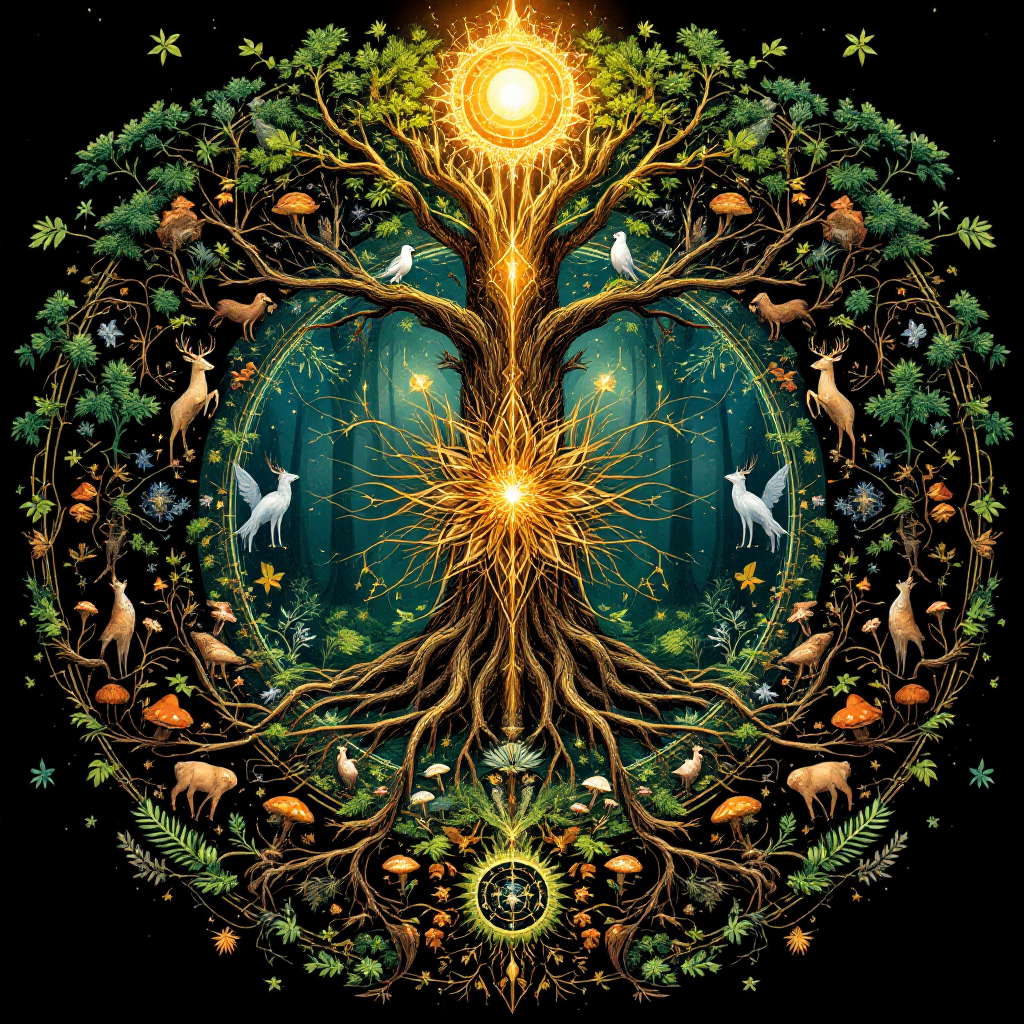
Forest Spirit Mandala
Ancient trees, woodland creatures, and forest spirits in circular harmony. Honors the consciousness of forests.
Symbolism
Central tree is world axis, animals represent forest guardians, leaves show life force, roots connect to earth.
Sacred Colors
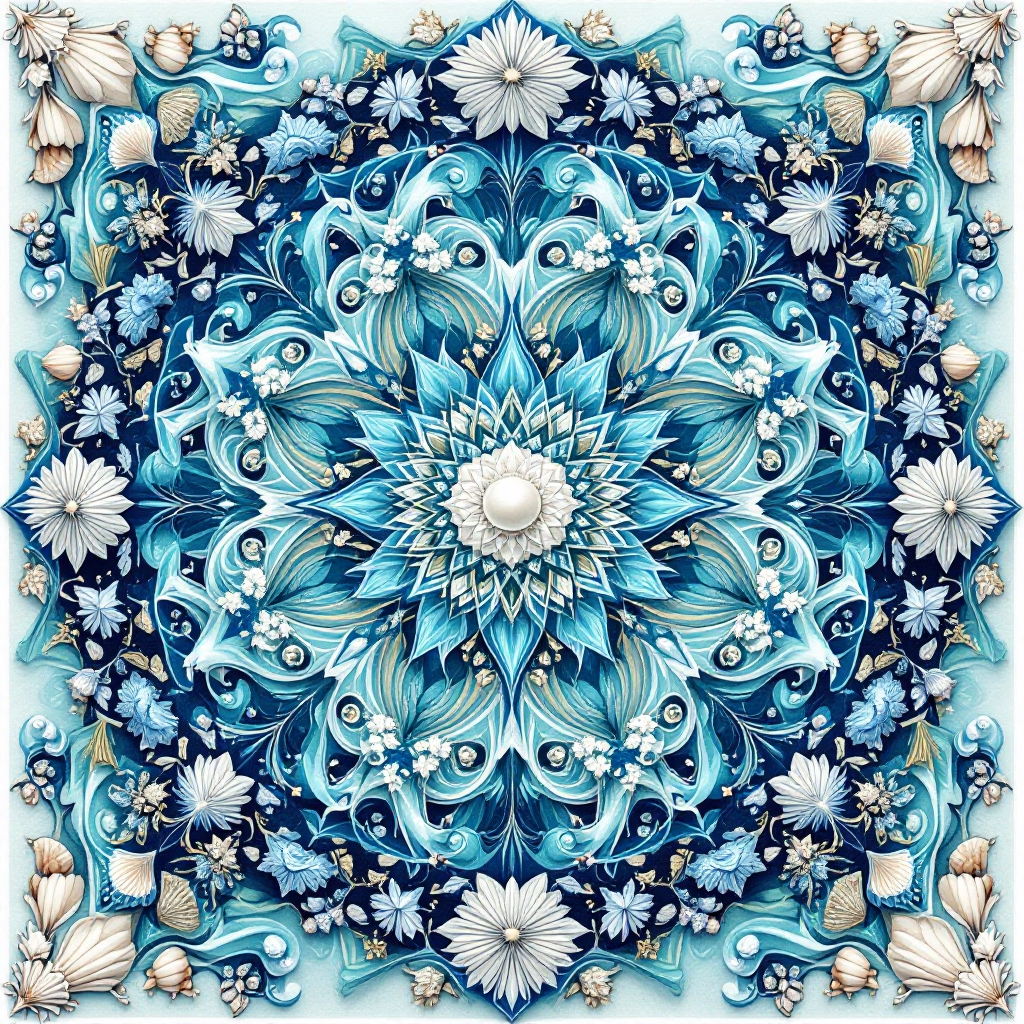
Ocean Waves Mandala
Concentric waves, shells, coral, and sea creatures. Represents the vast unconscious mind and emotional depths.
Symbolism
Waves are emotions and thoughts, pearl is wisdom from depths, seahorse is magic, shells are sacred sound.
Sacred Colors
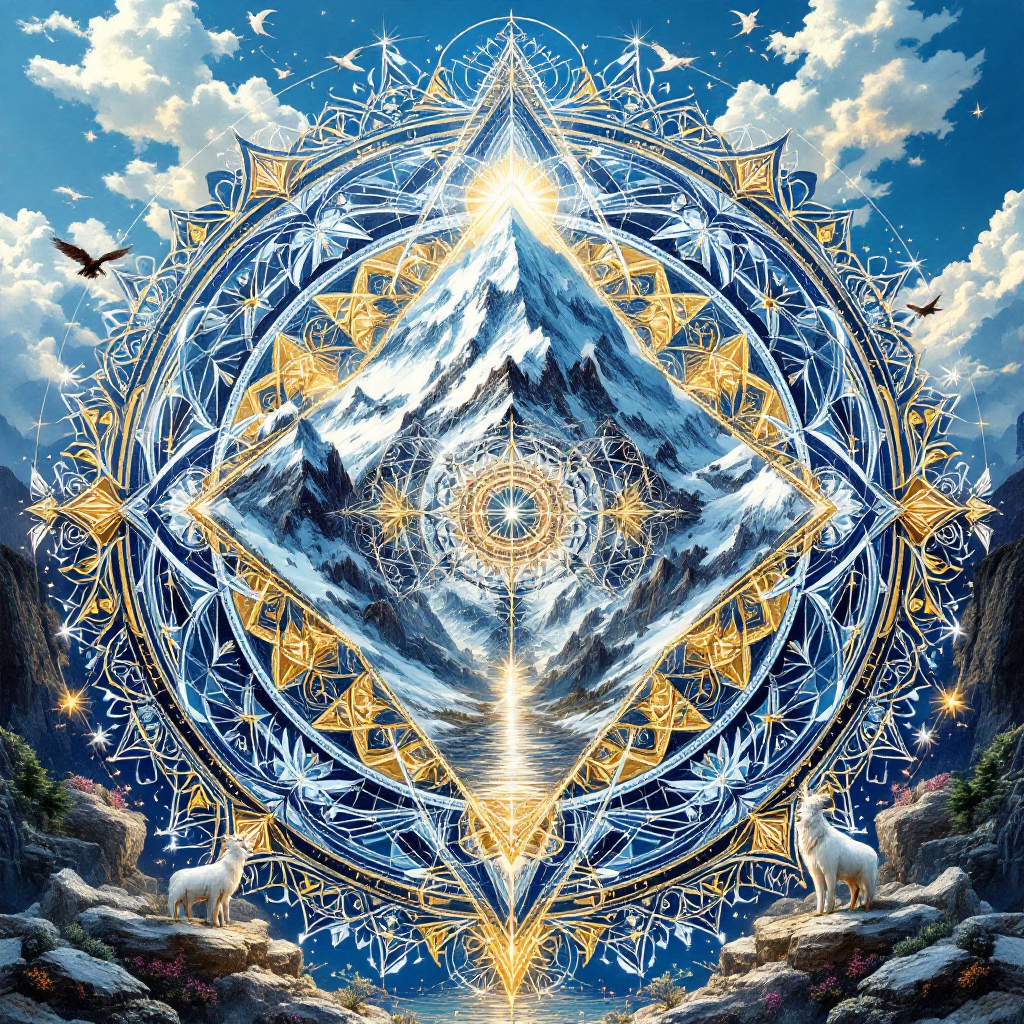
Mountain Peak Mandala
Sacred mountain peaks, snow, stones, and mountain goats. Represents stability, ascension, and reaching heights.
Symbolism
Peak is enlightenment goal, path is spiritual journey, rocks are obstacles overcome, snow is purity.
Sacred Colors
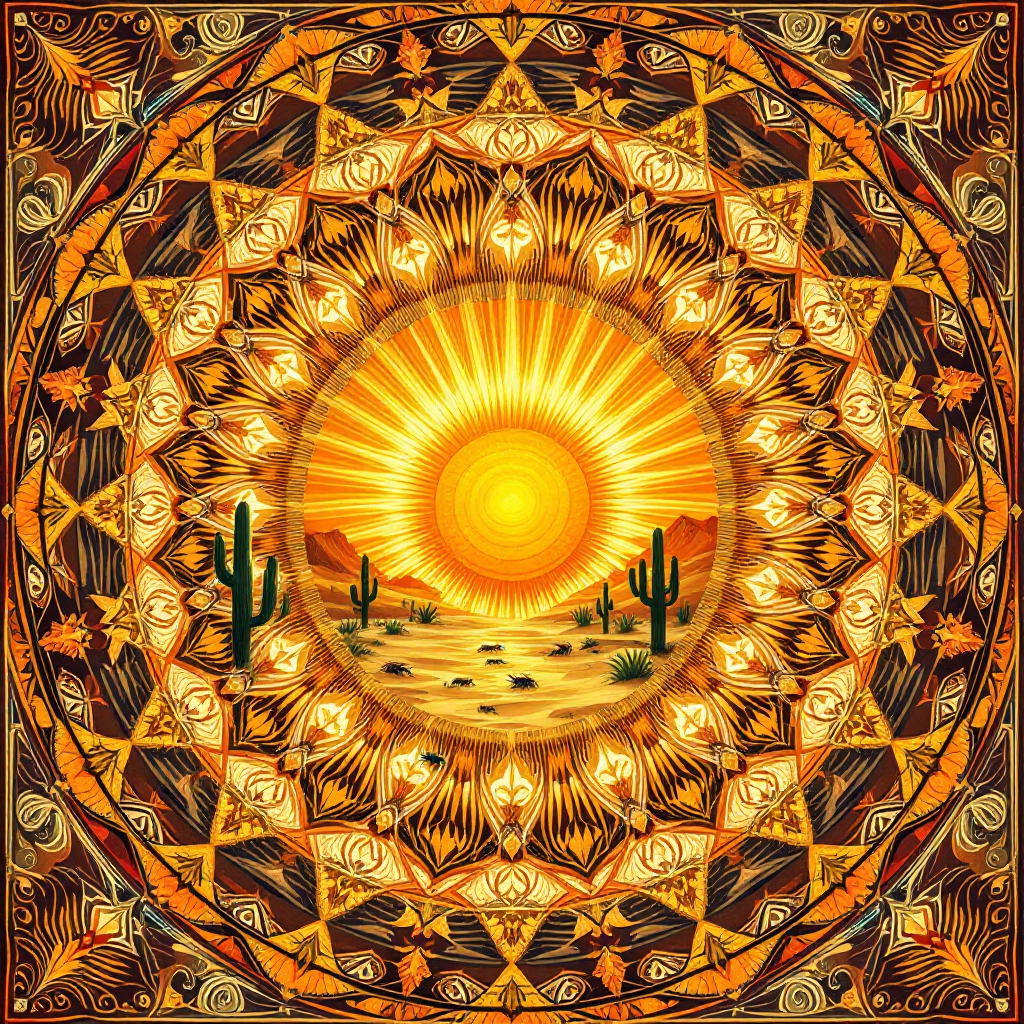
Desert Sun Mandala
Radiant sun over desert landscape with cacti, sand patterns, and desert life. Resilience and life in harsh conditions.
Symbolism
Sun is vital force, sand shows impermanence, cacti represent resilience, oasis is finding abundance in scarcity.
Sacred Colors
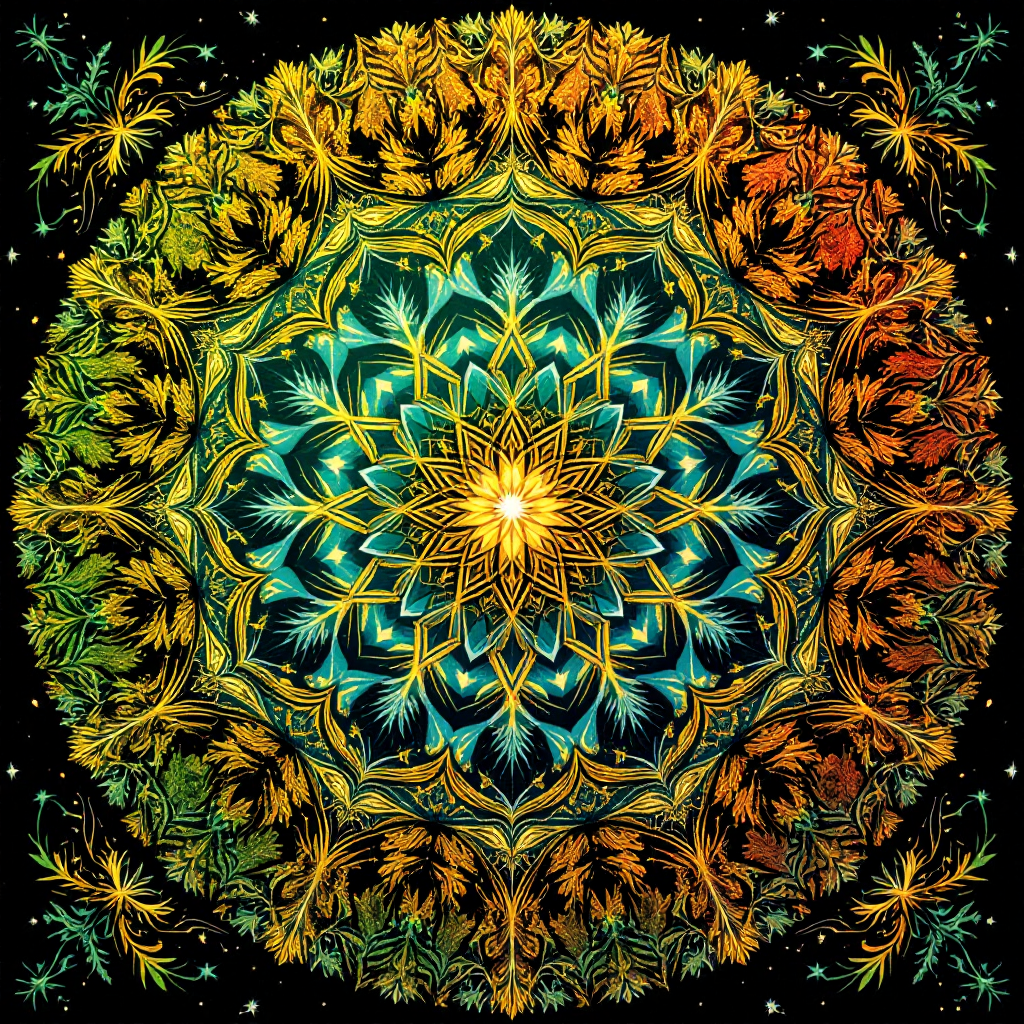
Seasonal Cycle Mandala
Four or six seasons arranged in circular progression. Life, death, rebirth cycle reflected in nature.
Symbolism
Spring is birth, summer is growth, autumn is harvest, winter is rest/death. Eternal cycle of existence.
Sacred Colors
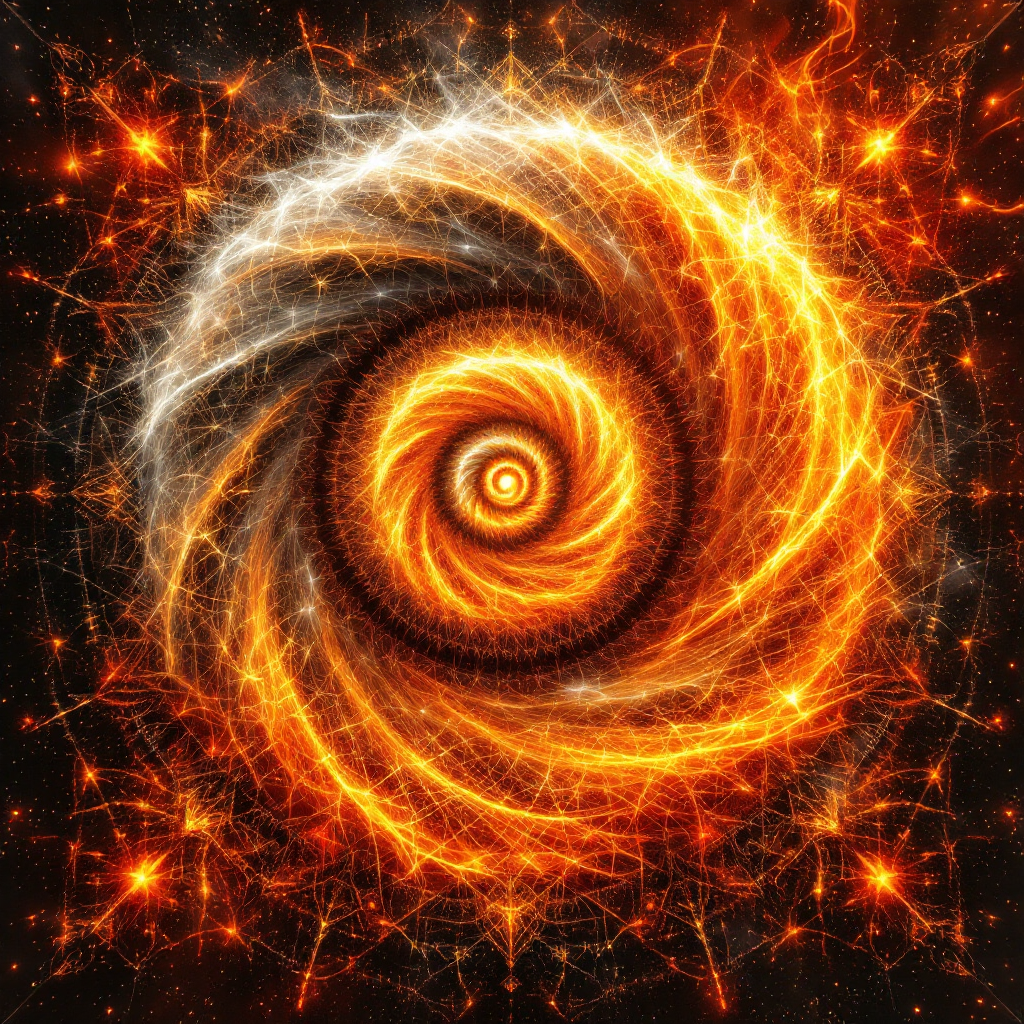
Fire Spiral Mandala
Sacred fire spiraling outward, representing transformation, purification, and divine light.
Symbolism
Fire consumes impurities, spiral shows transformation ascending, smoke carries prayers to heaven.
Sacred Colors
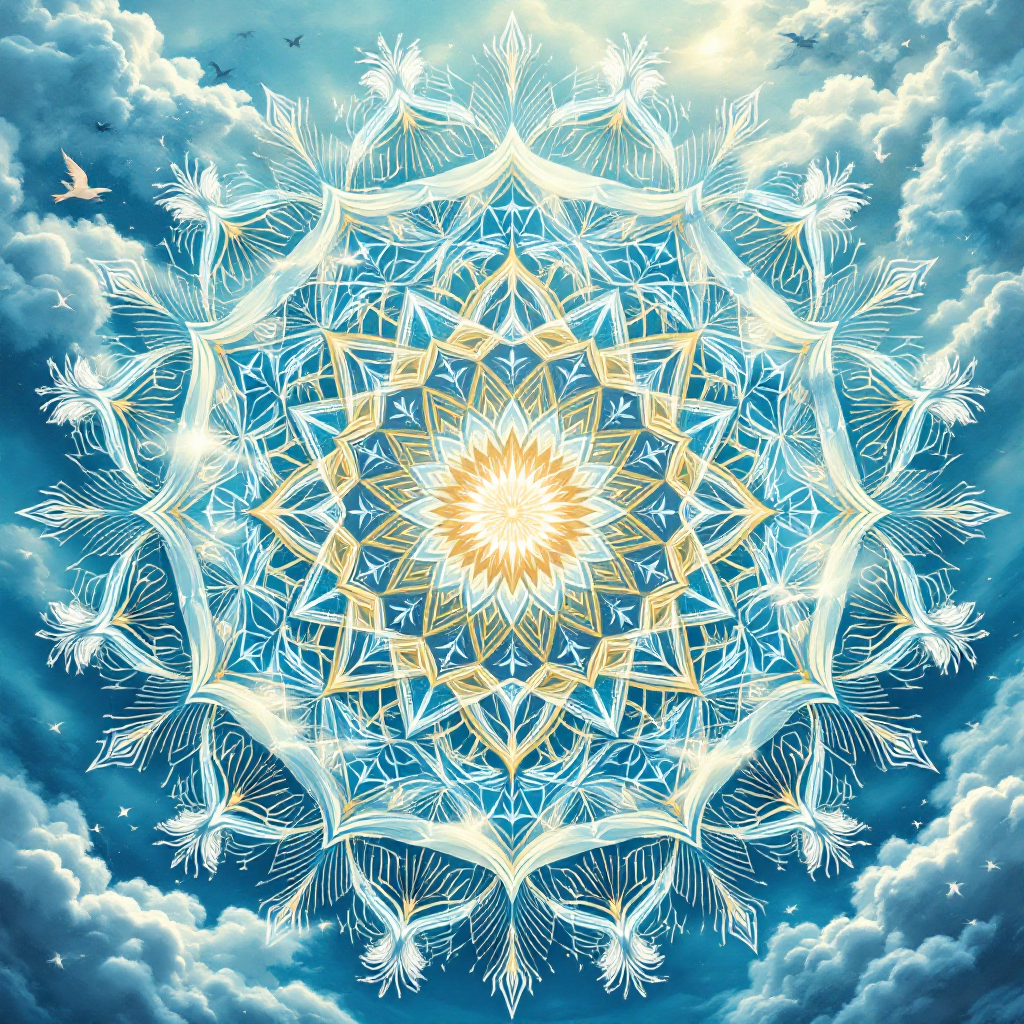
Wind Patterns Mandala
Flowing air currents, clouds, birds in flight. Represents breath, movement, change, and freedom.
Symbolism
Wind brings change, seeds carried show new beginnings, birds represent spirit freedom, breath is life.
Sacred Colors
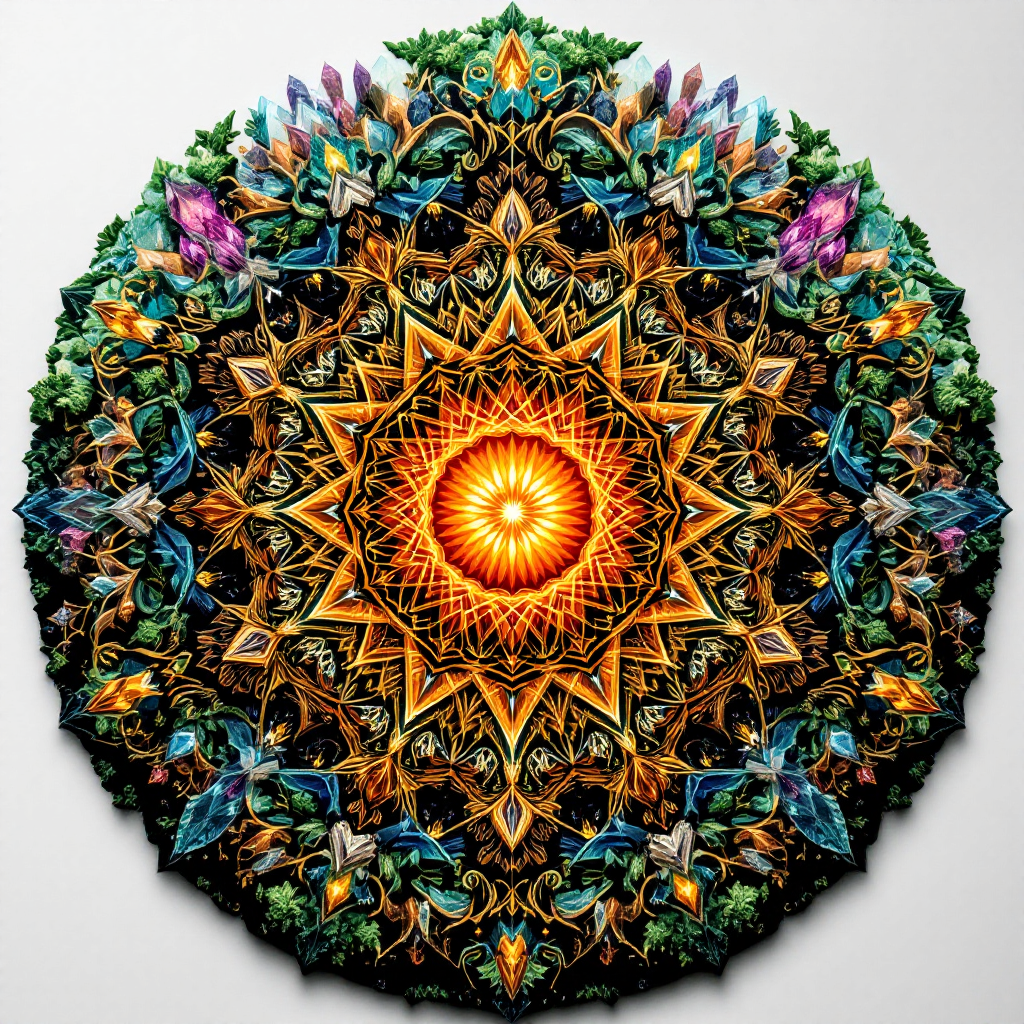
Earthquake Earth Mandala
Tectonic plates, crystals, underground rivers, and earth's core. Raw power and stability of earth element.
Symbolism
Solid core is unchanging self, shifting plates are surface changes, crystals are concentrated earth energy.
Sacred Colors
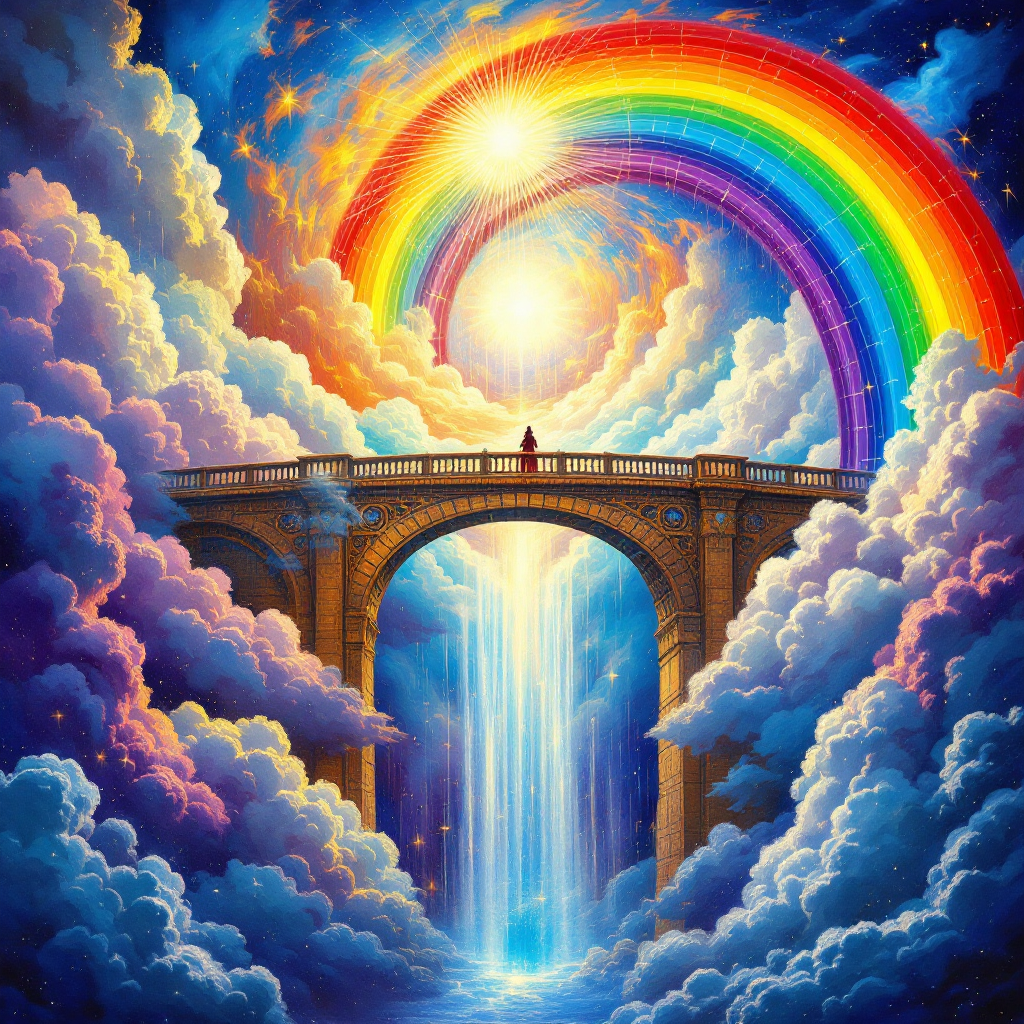
Rainbow Bridge Mandala
Rainbow connecting heaven and earth after storm. Promise, hope, and bridge between worlds.
Symbolism
Seven colors represent seven chakras, arc shows bridge to higher realms, rain is cleansing before revelation.
Sacred Colors
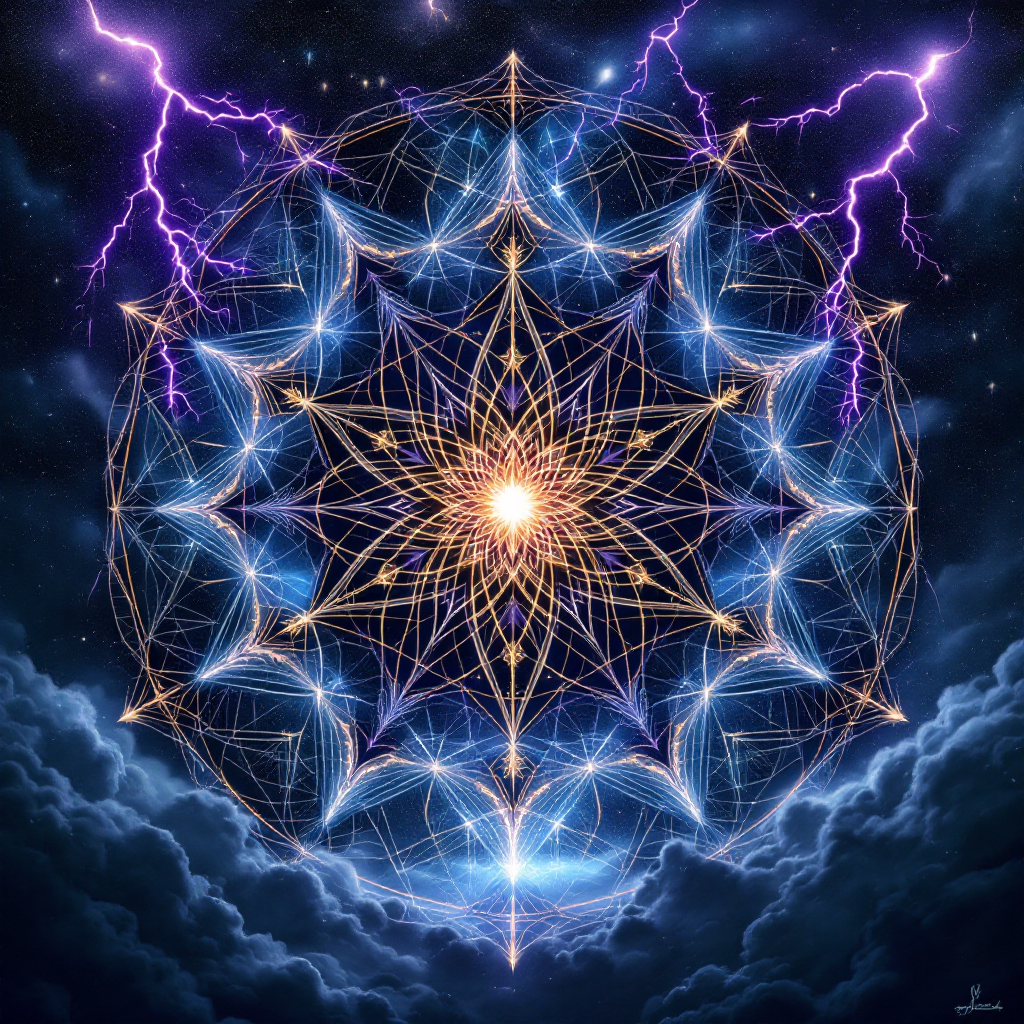
Thunder Storm Mandala
Lightning, thunder, storm clouds, and rain. Raw power of nature, sudden transformation, and cleansing force.
Symbolism
Lightning is sudden enlightenment, thunder is divine voice, rain cleanses, storm clears stagnation.
Sacred Colors
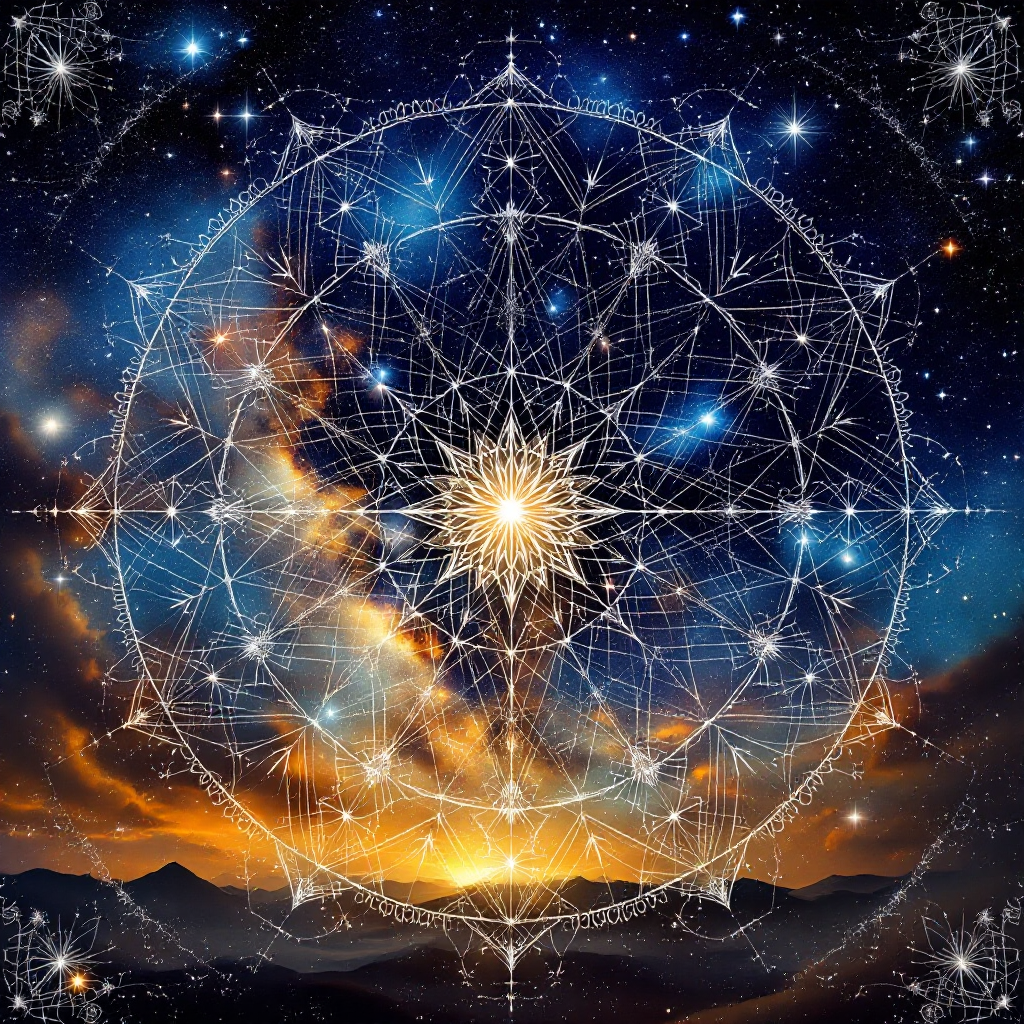
Starlight Cosmos Mandala
Night sky filled with stars, constellations, Milky Way, and cosmic wonder. We are made of stardust.
Symbolism
Each star is a soul, constellations are cosmic stories, infinity shows limitless potential.
Sacred Colors
⚡ Chakra Energy
Energy centers and subtle body systems
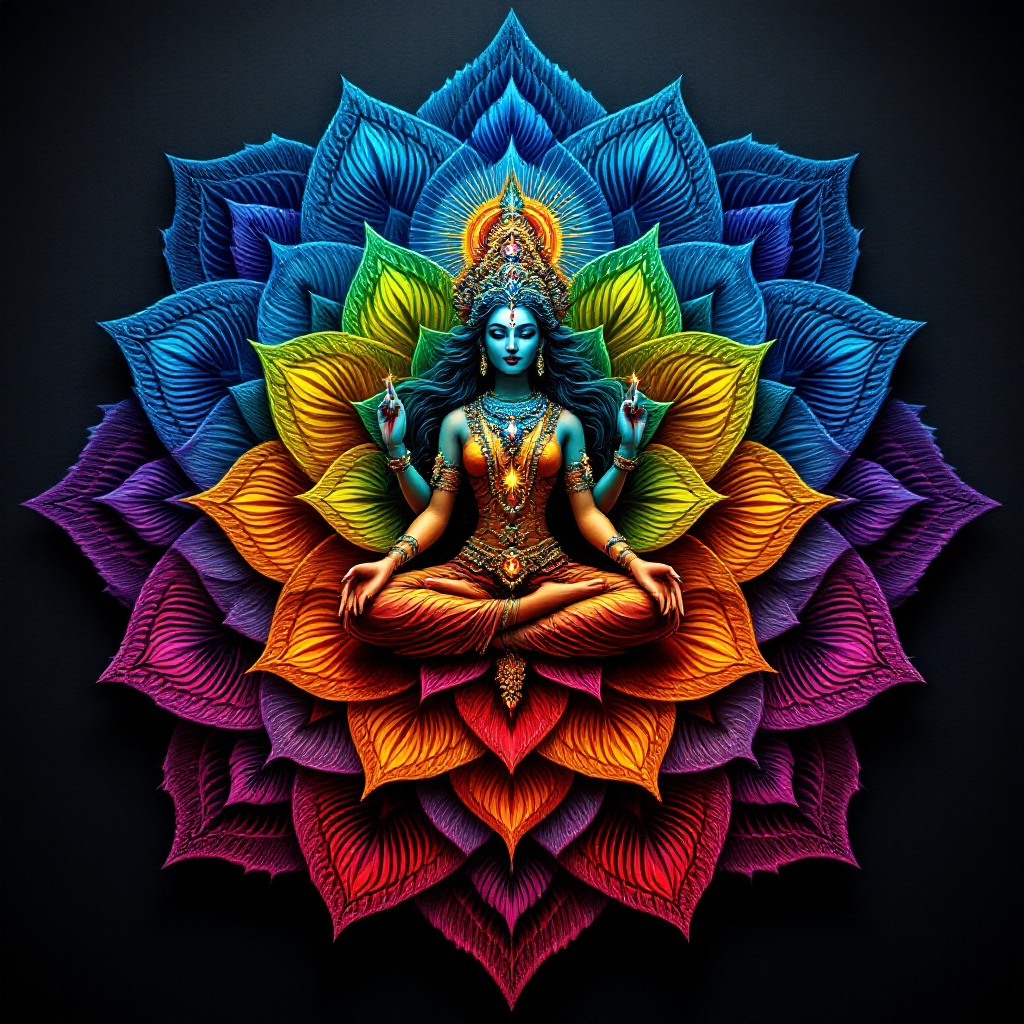
Chakra Mandala
Mandala displaying all seven chakras vertically with their associated colors, symbols, elements, and deities. Used for energy balancing and kundalini awakening.
Symbolism
Each chakra has specific petal count (4, 6, 10, 12, 16, 2, 1000), color, bija mantra, element, and presiding deity. Represents the journey from root to crown.
Sacred Colors
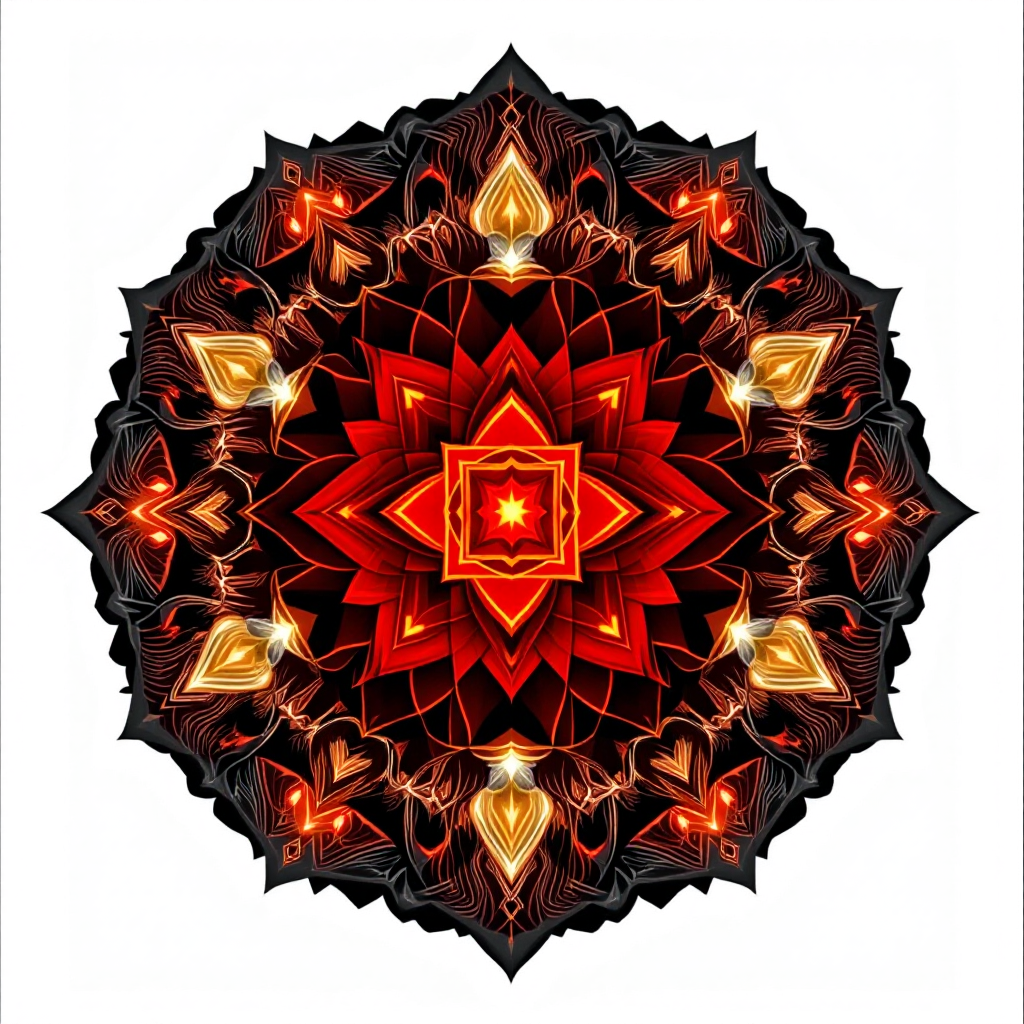
Root Chakra Mandala (Muladhara)
Red four-petaled lotus at base of spine. Foundation of energy system, survival, grounding, and security.
Symbolism
Four petals represent four directions, red square is earth element, downward triangle is creative force.
Sacred Colors
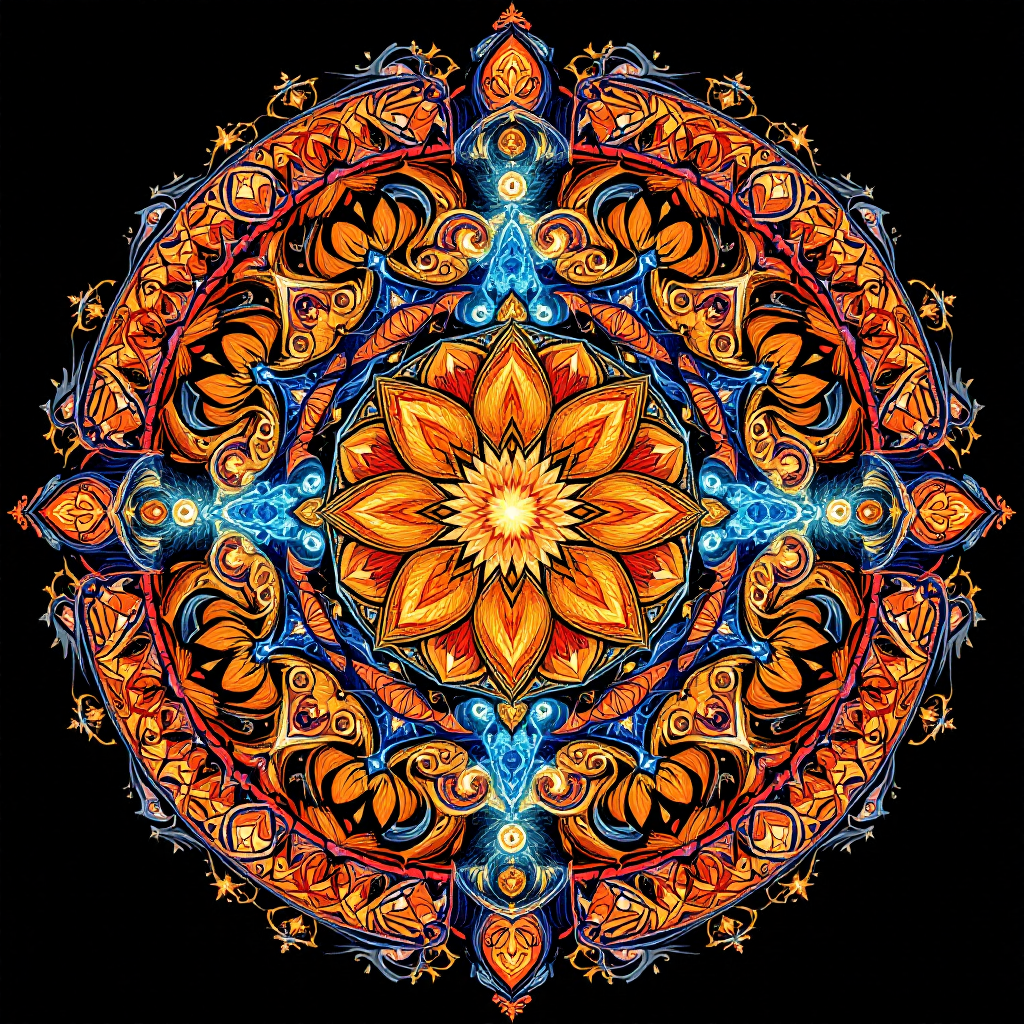
Sacral Chakra Mandala (Svadhisthana)
Orange six-petaled lotus below navel. Center of creativity, sexuality, emotions, and pleasure.
Symbolism
Six petals represent desires, crescent moon is water element, makara (crocodile) is primal energy.
Sacred Colors
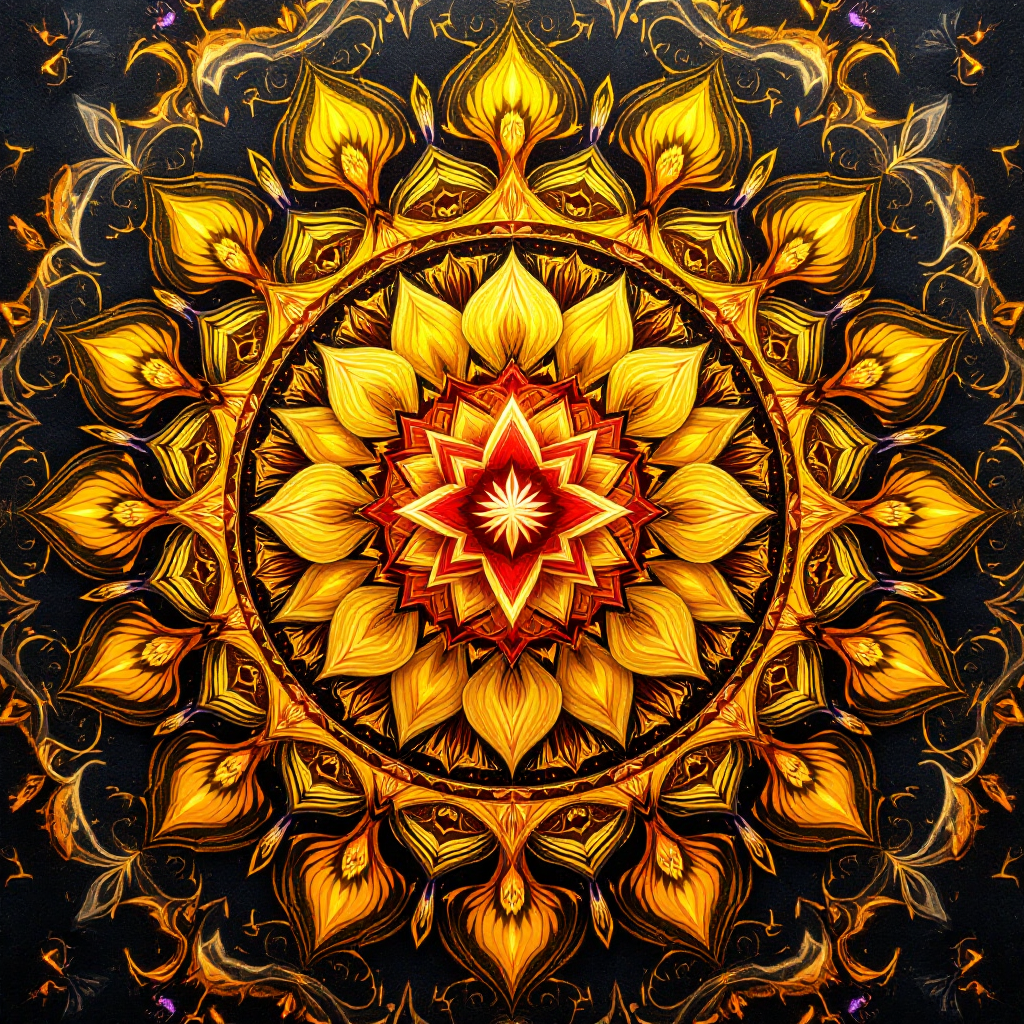
Solar Plexus Chakra Mandala (Manipura)
Yellow ten-petaled lotus at navel. Center of personal power, will, confidence, and transformation.
Symbolism
Ten petals represent ten pranas, red triangle is fire element, ram represents dynamic energy.
Sacred Colors
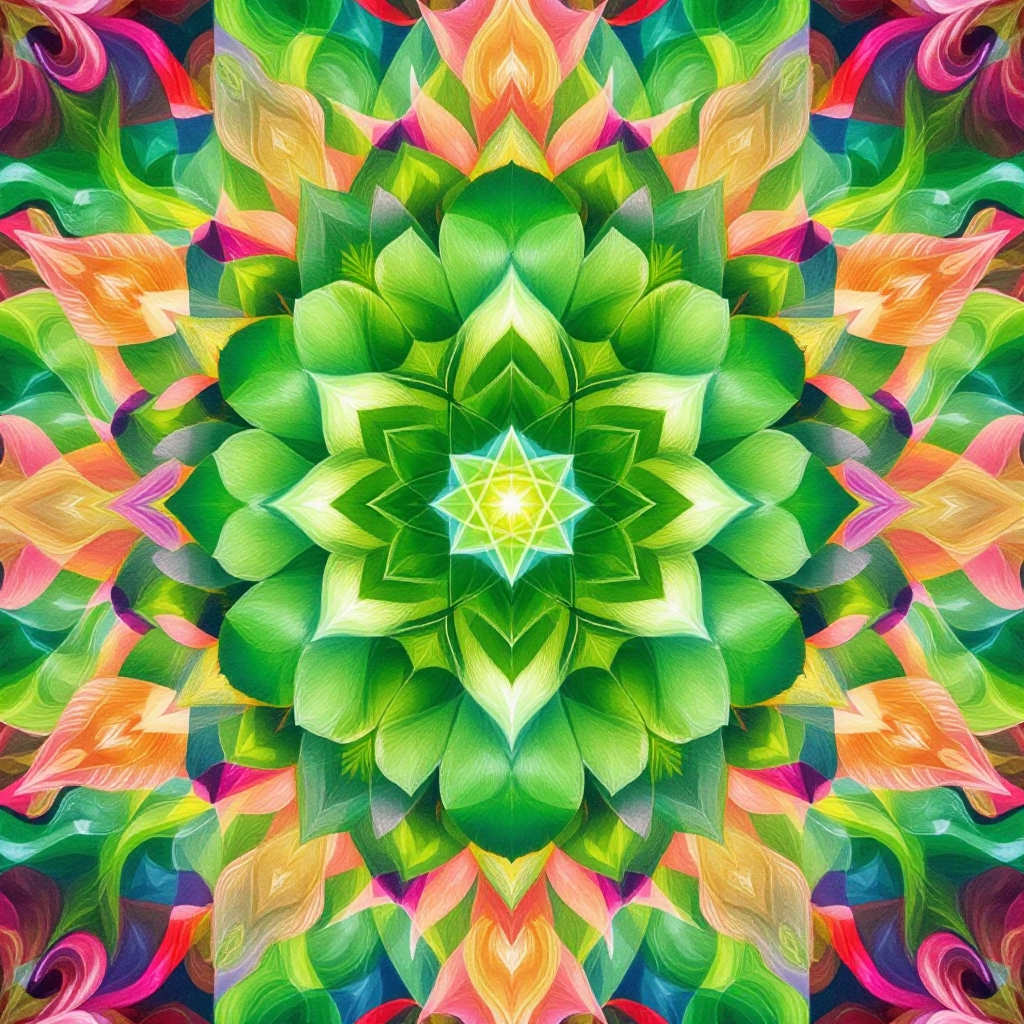
Heart Chakra Mandala (Anahata)
Green twelve-petaled lotus at heart center. Union of upper and lower chakras, love, compassion, and balance.
Symbolism
Twelve petals are twelve divine qualities, hexagram unites upward/downward triangles, deer is gentleness.
Sacred Colors
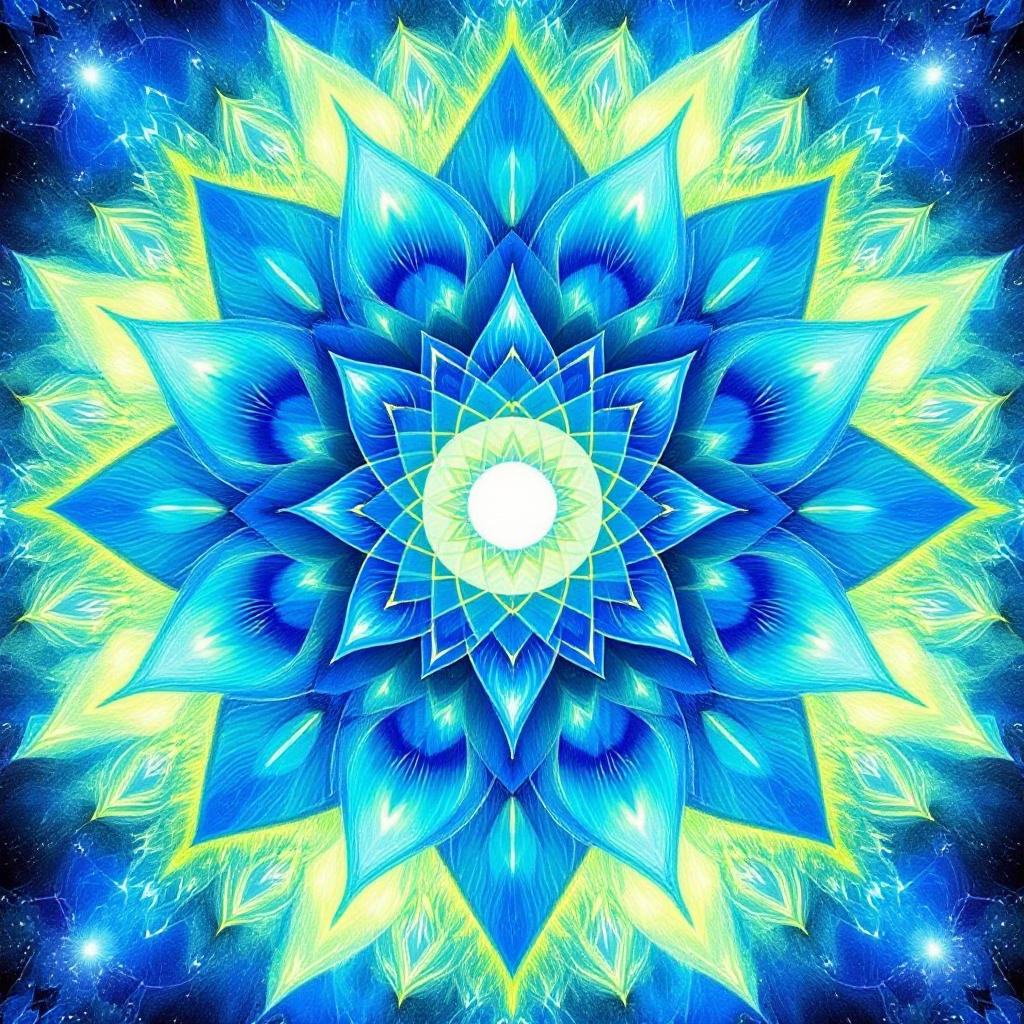
Throat Chakra Mandala (Vishuddha)
Blue sixteen-petaled lotus at throat. Center of communication, expression, truth, and purification.
Symbolism
Sixteen petals represent sixteen vowels, white circle is full moon (ether element), elephant is sound.
Sacred Colors
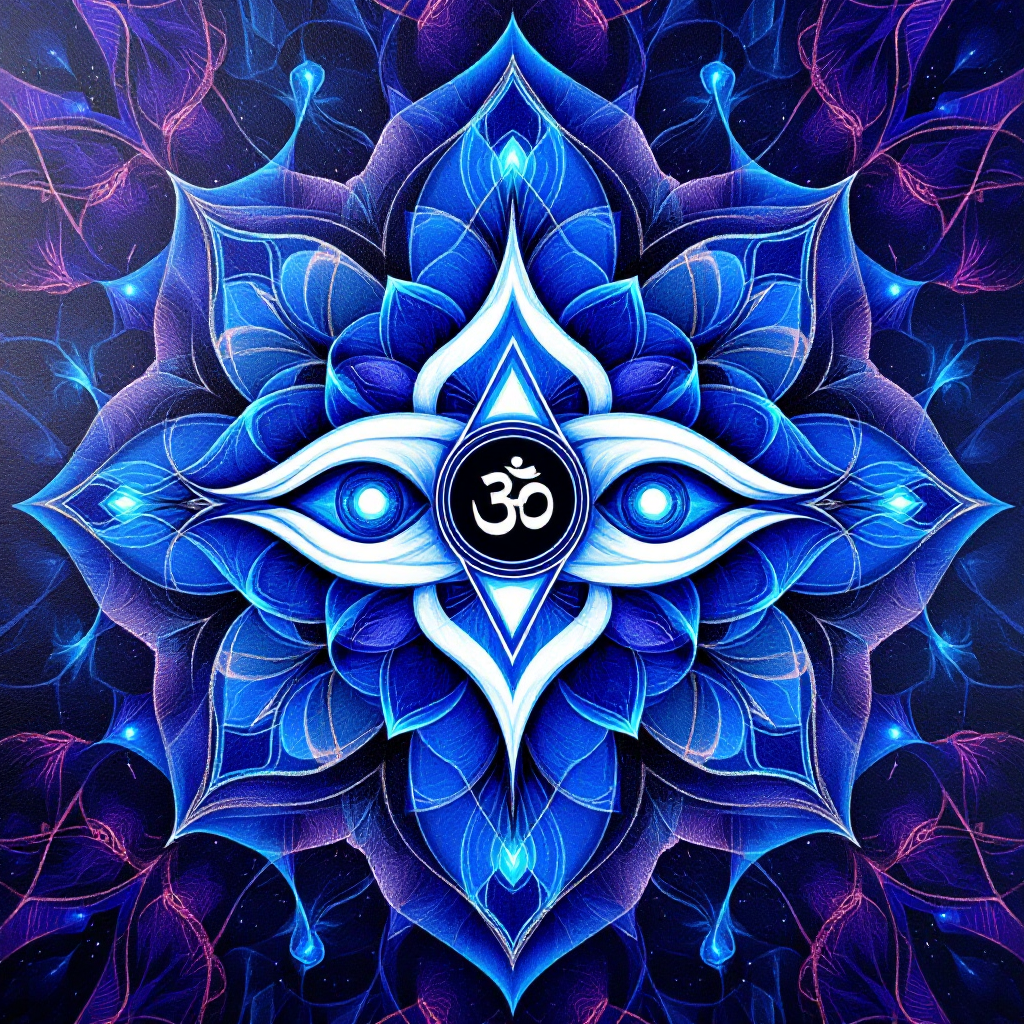
Third Eye Chakra Mandala (Ajna)
Indigo two-petaled lotus between eyebrows. Center of intuition, insight, wisdom, and spiritual vision.
Symbolism
Two petals represent ida/pingala nadis, inverted triangle is wisdom, Om in center is cosmic sound.
Sacred Colors
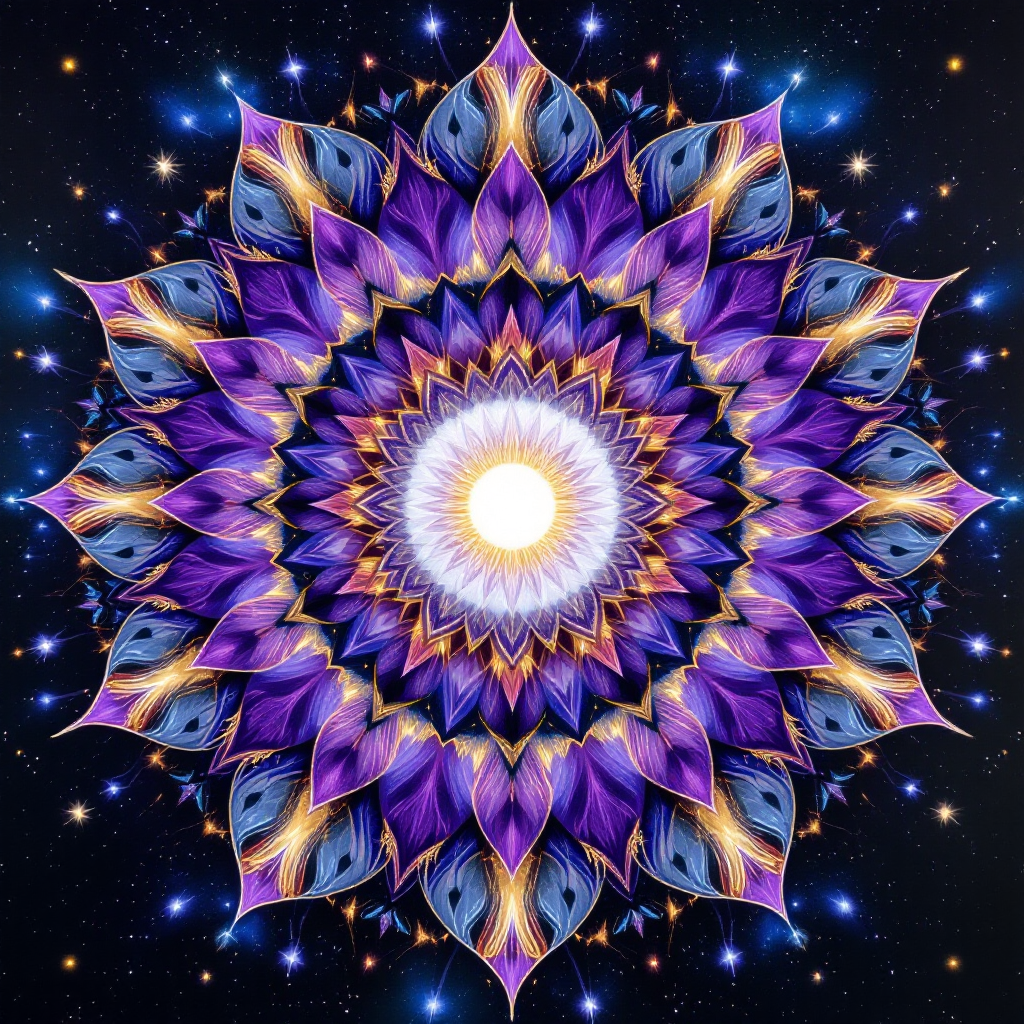
Crown Chakra Mandala (Sahasrara)
Thousand-petaled violet lotus at crown of head. Connection to divine consciousness and enlightenment.
Symbolism
Thousand petals represent infinite consciousness, white lotus is purity, void center is pure awareness.
Sacred Colors
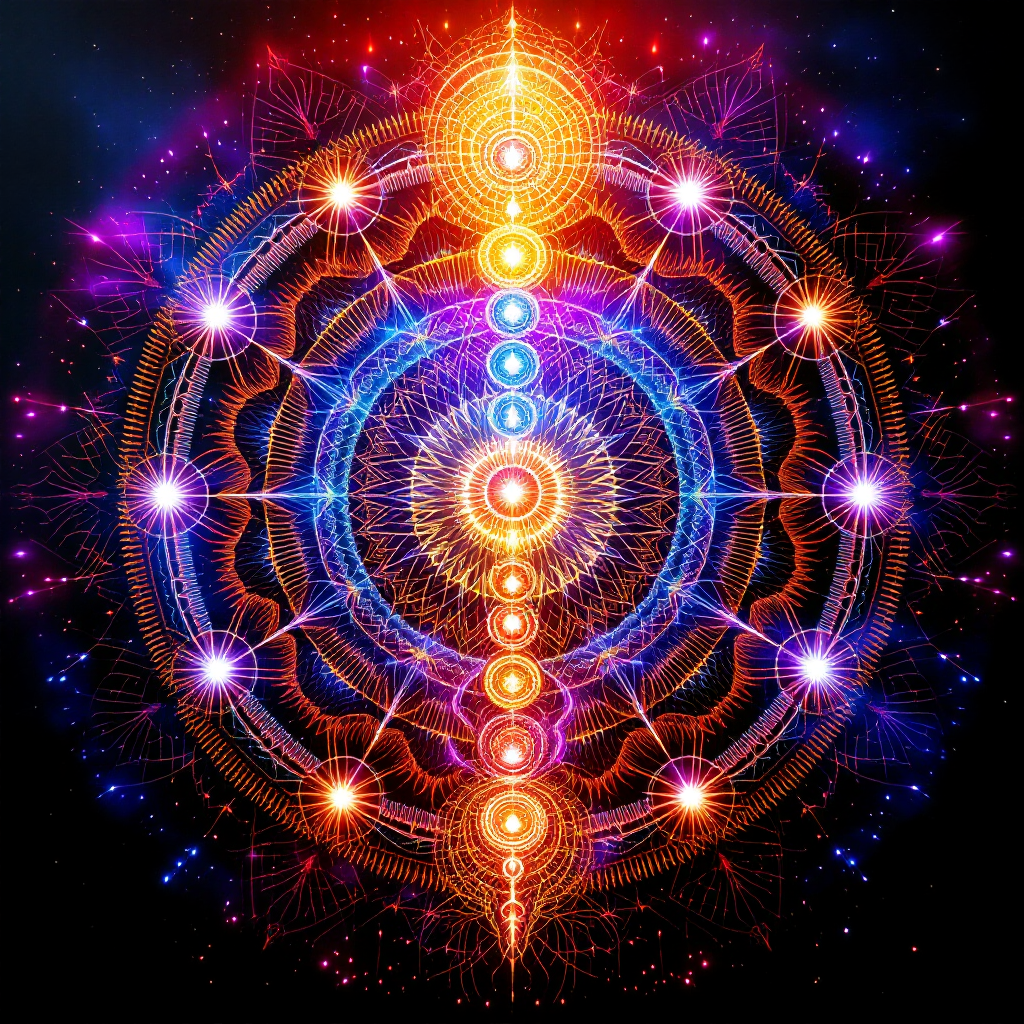
Kundalini Awakening Mandala
Serpent power rising through sushumna nadi, activating all seven chakras. Represents spiritual awakening and transformation.
Symbolism
Coiled serpent at base, three nadis (ida, pingala, sushumna), seven chakras illuminated, Shiva-Shakti union at crown.
Sacred Colors
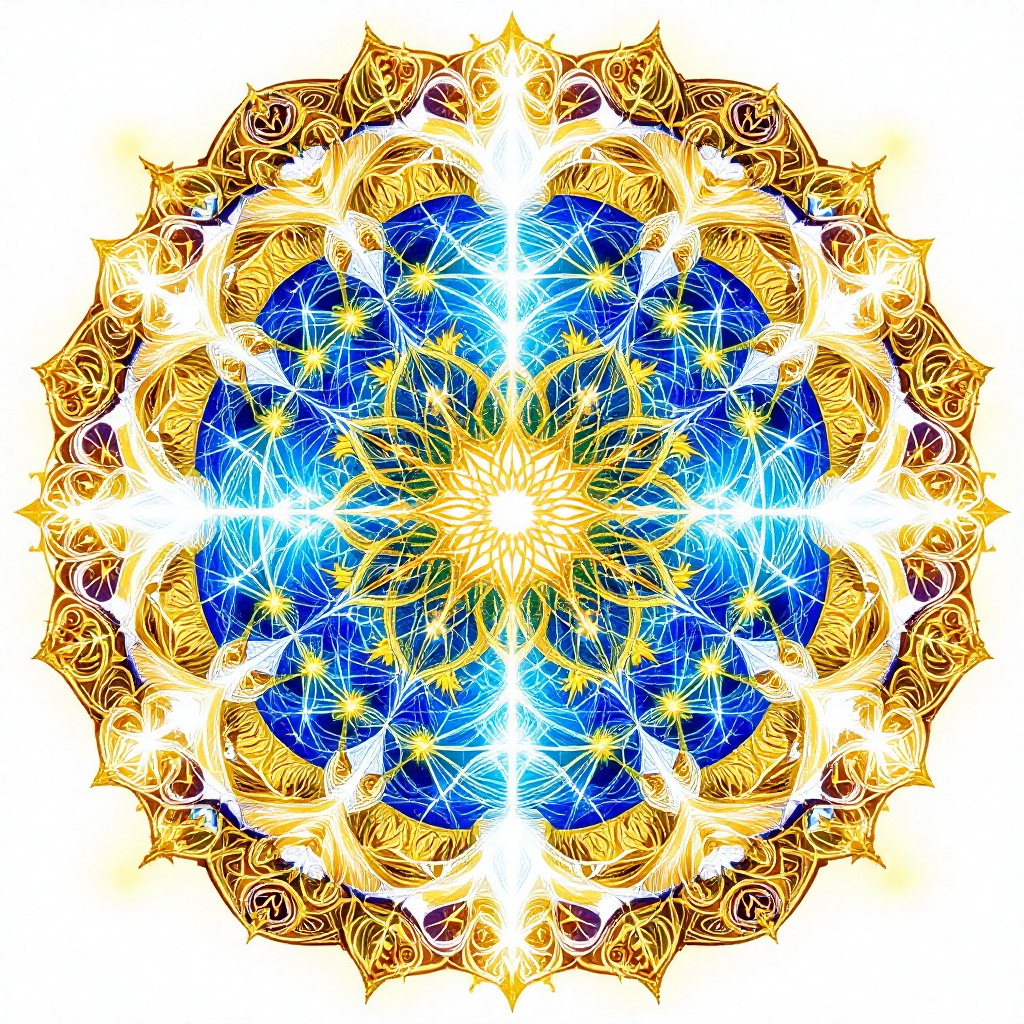
Pranic Energy Mandala
Life force energy (prana/chi) flowing through nadis and meridians. Represents vital energy circulation.
Symbolism
Central channel is sushumna, spiraling patterns are energy flow, light nodes are nadis intersection.
Sacred Colors
✨ Wisdom & Enlightenment
Paths to higher consciousness and liberation
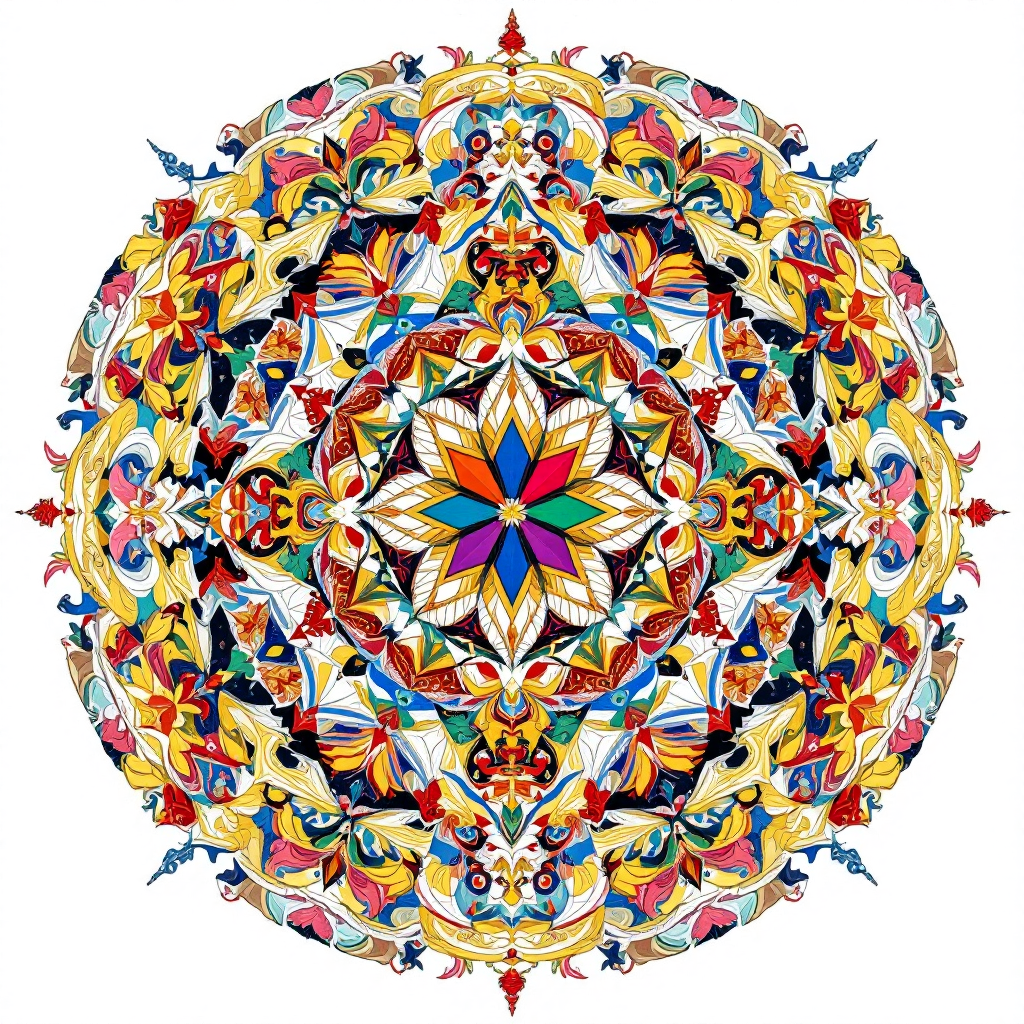
Mandala of the Bardo
Complex mandala used to navigate the intermediate state between death and rebirth. Contains 42 peaceful and 58 wrathful deities appearing in sequence.
Symbolism
Shows the journey through the Bardo (intermediate state). Peaceful deities appear first, then wrathful forms. All are projections of one's own mind.
Sacred Colors
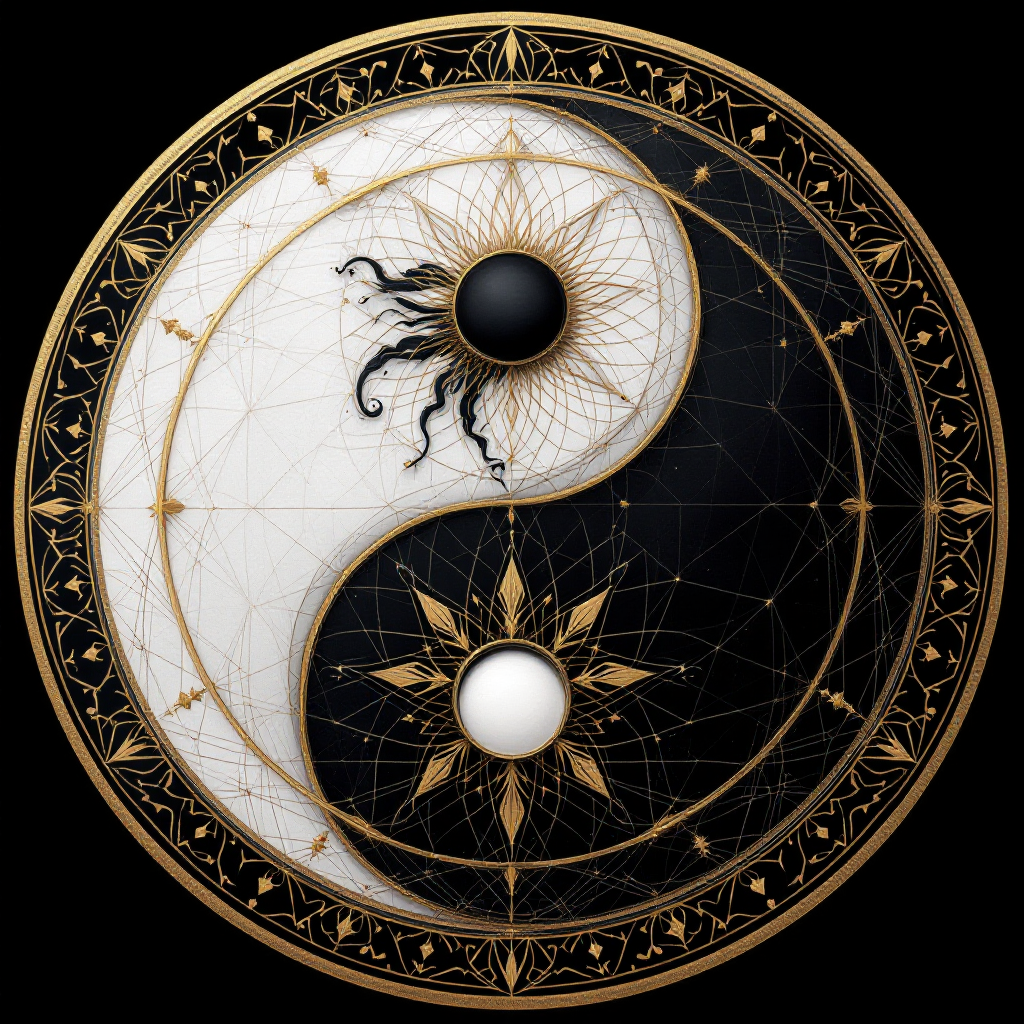
Yin Yang Mandala
Circular mandala based on the Taoist symbol of complementary opposites. Black and white halves with opposite-colored dots, often surrounded by trigrams or decorative patterns.
Symbolism
Yin (feminine, dark, receptive, earth, moon) and Yang (masculine, light, active, heaven, sun) are interdependent. Each contains seed of the other.
Sacred Colors
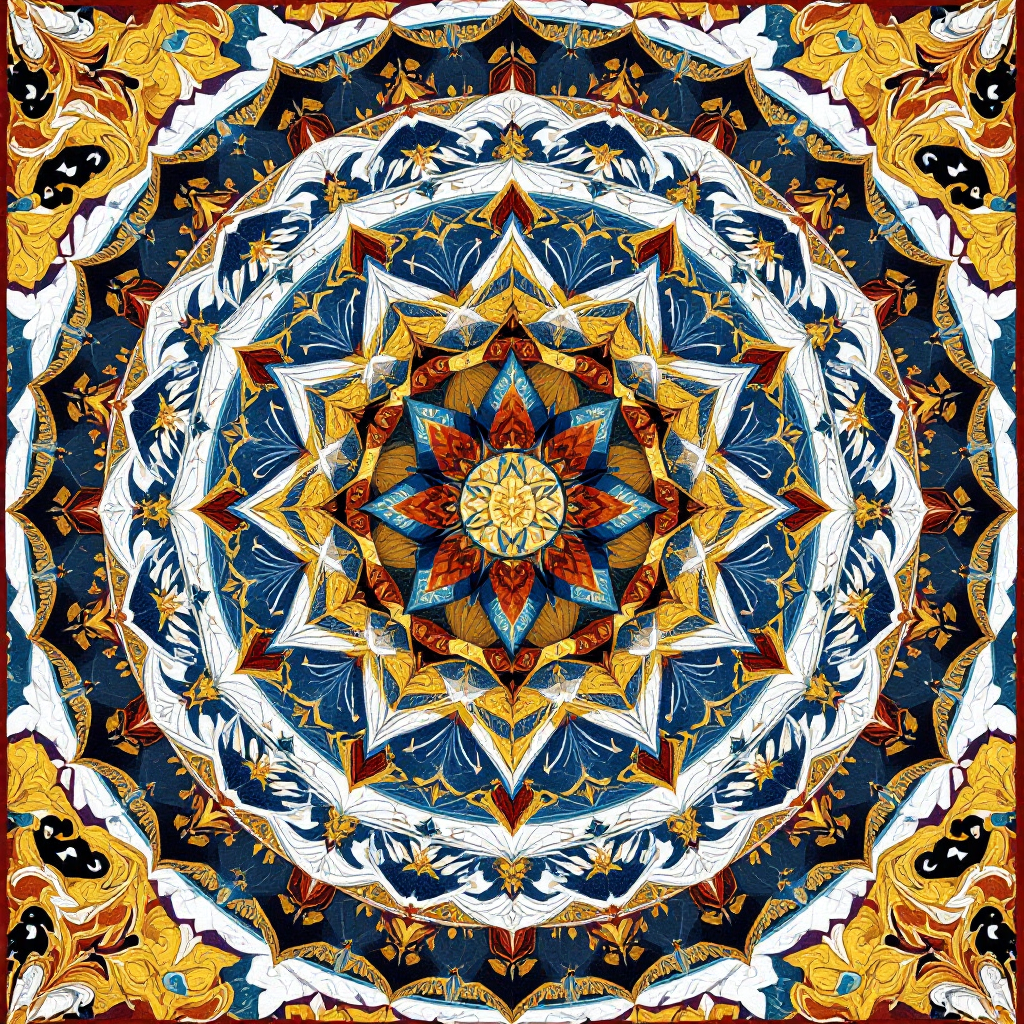
Vajra Mandala
Mandala centered on the vajra (thunderbolt/diamond) symbol representing indestructible truth and skillful means. Often paired with the bell (ghanta) representing wisdom.
Symbolism
Vajra has 5 prongs representing five wisdoms and five Buddha families. Central sphere represents shunyata (emptiness). Indestructible yet can cut through all obstacles.
Sacred Colors
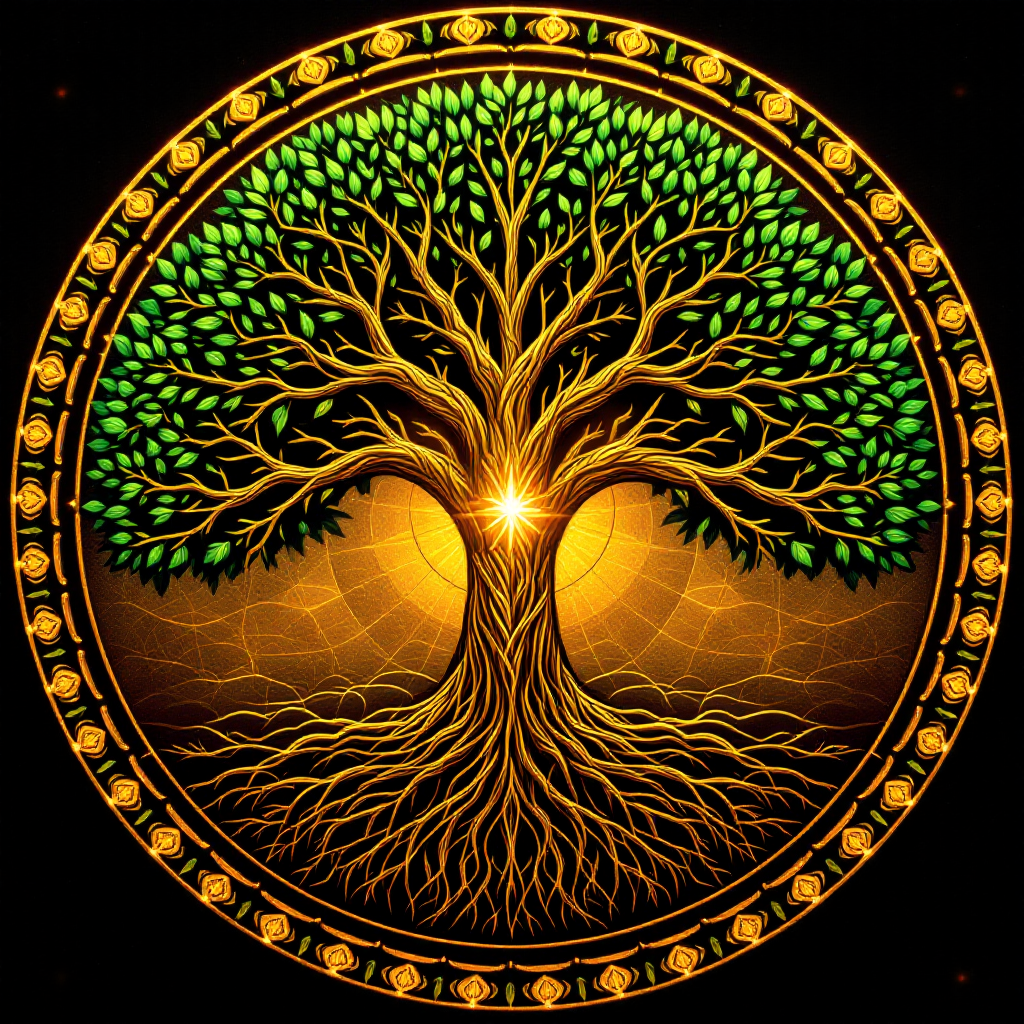
Tree of Life Mandala
Circular mandala featuring a sacred tree with roots below, trunk in center, and branches above. Represents the connection between earth and heaven, the axis mundi.
Symbolism
Roots in underworld (unconscious, ancestors), trunk in middle world (present life), branches in upper world (spirit, aspirations). The vertical axis connecting all realms.
Sacred Colors
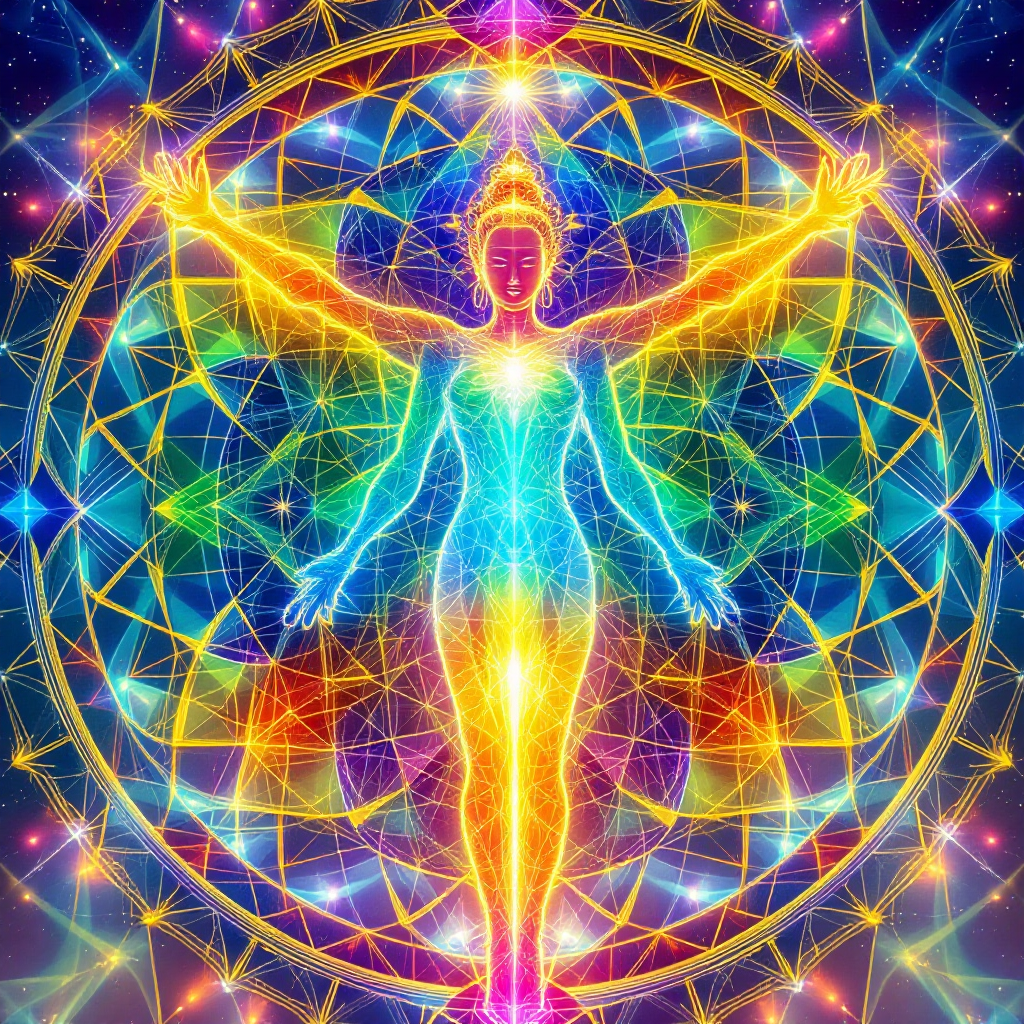
Rainbow Body Mandala
Mandala representing the Jalus (rainbow body) attainment - the dissolution of the physical body into pure light at death. Contains rainbow spheres and light beings.
Symbolism
Rainbow colors represent the dissolution of five elements into pure light. The ultimate achievement in Dzogchen practice where body becomes rainbow light.
Sacred Colors
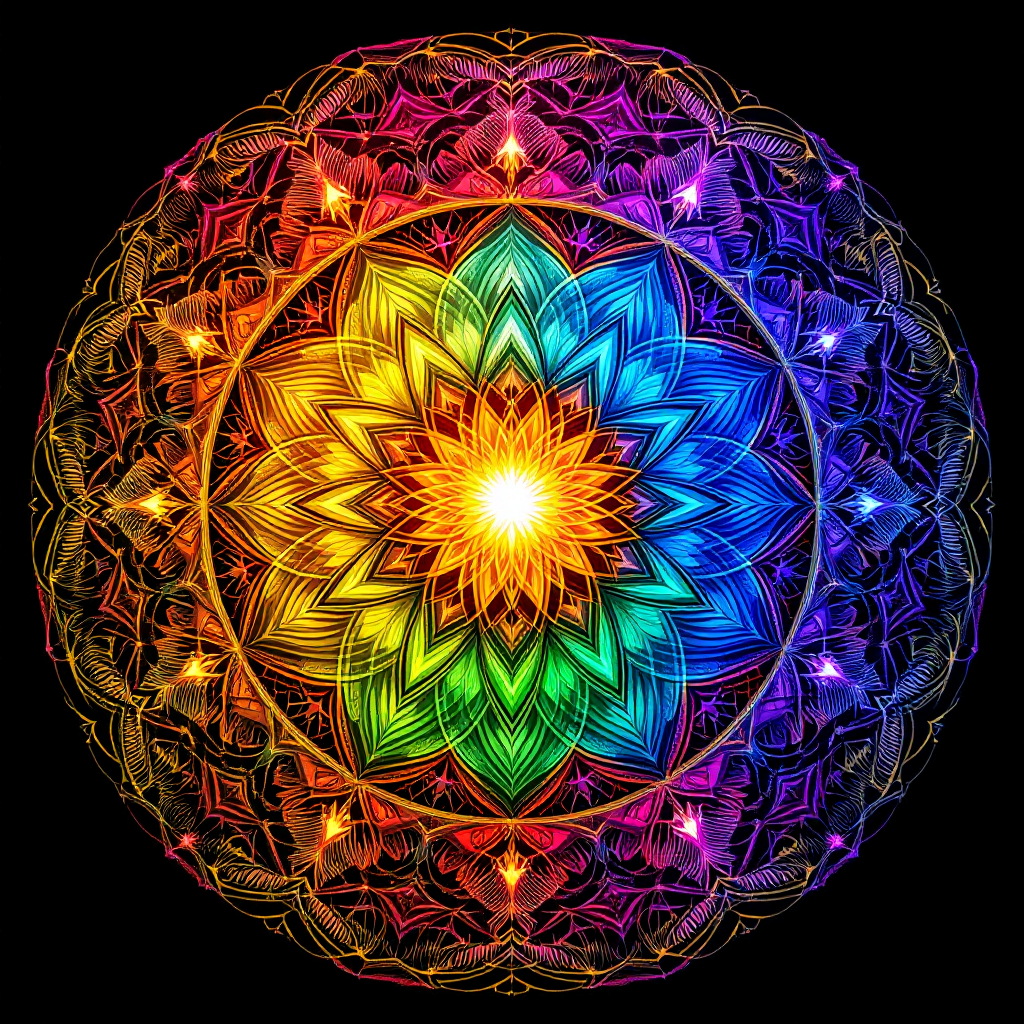
Universal Mandala of Unity
Inclusive mandala incorporating symbols from multiple spiritual traditions - Om, Cross, Crescent, Star of David, Dharma Wheel, Tao, Khanda, and others arranged harmoniously.
Symbolism
All paths lead to the same center (divine truth). Different petals represent different traditions, yet all emerge from same source. Unity in diversity.
Sacred Colors
🧘 Meditation & Mindfulness
Tools for contemplation and awareness
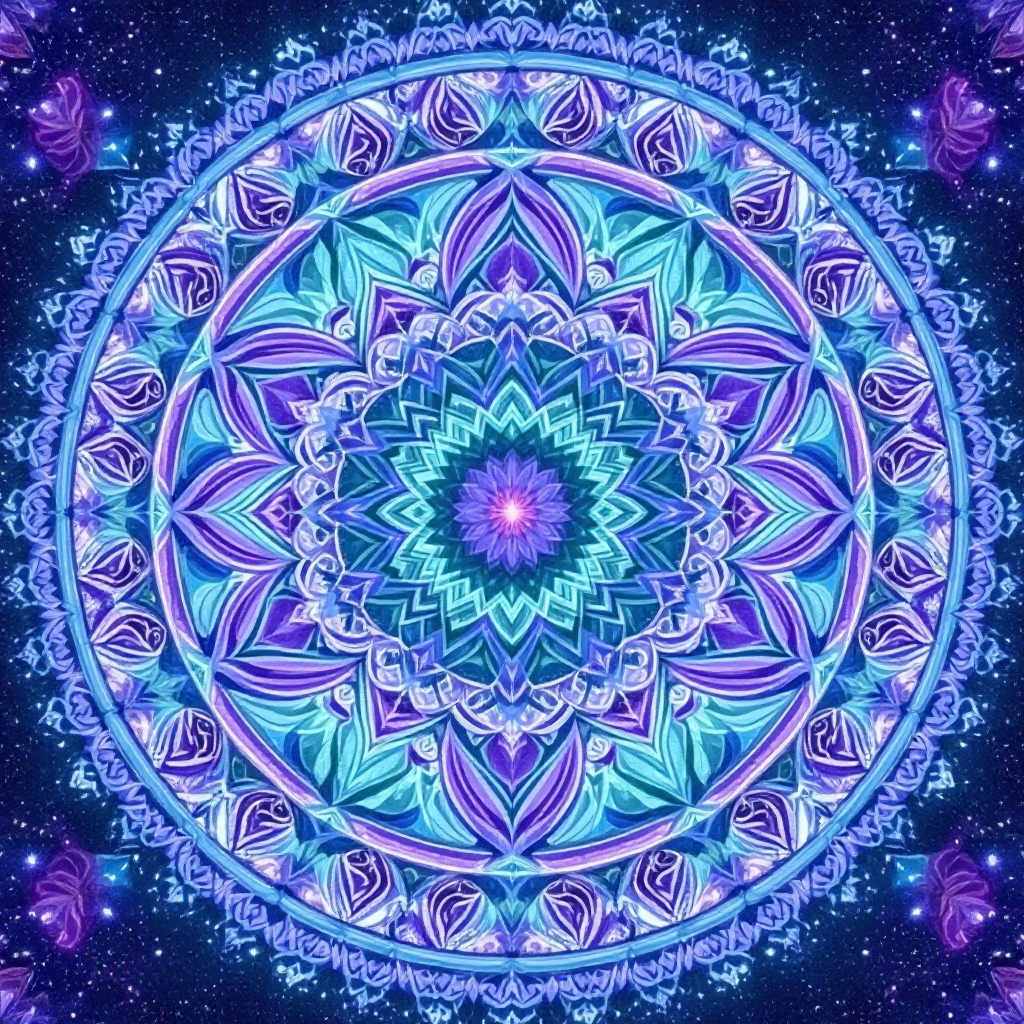
Peaceful Mind Mandala
Therapeutic mandala with calming patterns, soft colors, and symmetrical designs. Used for stress reduction, art therapy, and mindfulness practice.
Symbolism
Symmetry represents inner balance. Repetitive patterns calm the mind. Colors chosen for psychological calming effect. The act of creating or viewing promotes peace.